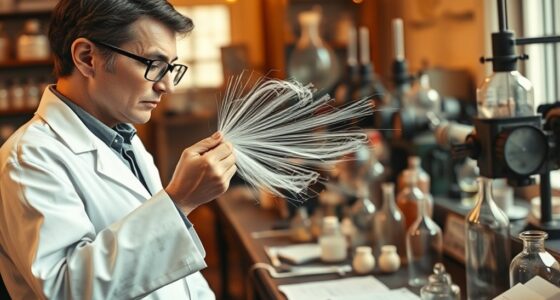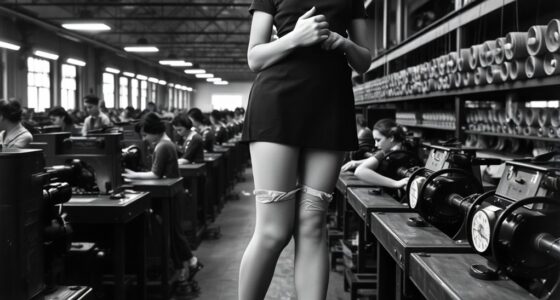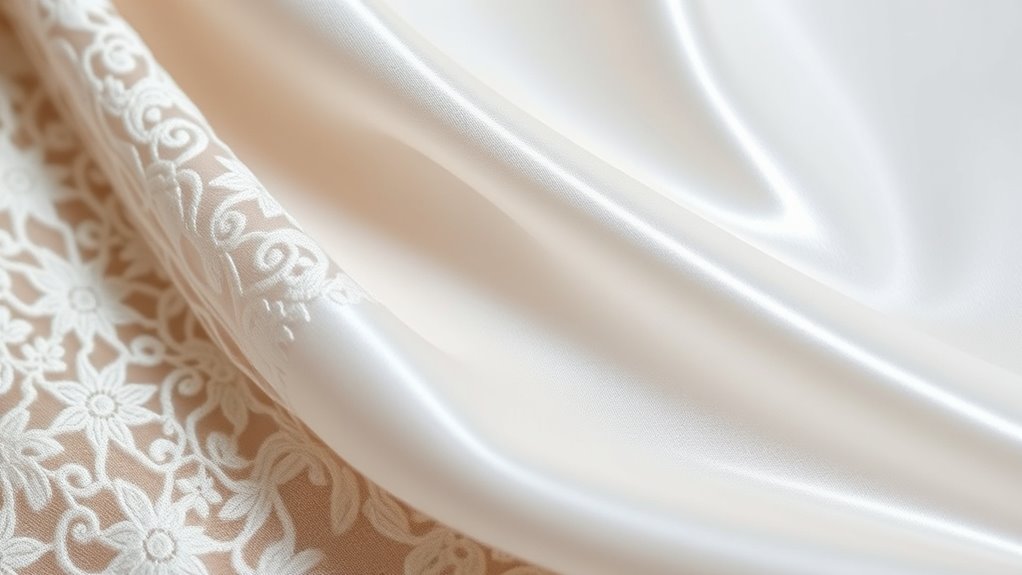

From delicate lace and fine silk to stretchy Lycra, the history of hosiery shows a constant quest for comfort, style, and durability. Ancient Egyptians and Greeks laid the groundwork with wool and linen, while innovations like the circular knitting machine expanded production. The invention of nylon and later Lycra transformed hosiery into versatile, form-fitting apparel. If you want to discover how these materials shaped fashion and function over time, keep exploring the fascinating evolution of hosiery.
Key Takeaways
- Early hosiery used natural fibers like wool, linen, silk, and cotton, reflecting social status and technological advancements.
- The invention of the circular knitting machine in 1816 significantly increased hosiery production and design complexity.
- Nylon, introduced in 1940, revolutionized hosiery with durability and affordability, replacing silk and enabling mass production.
- Decorative textiles like lace elevated hosiery fashion, adding intricate patterns and embellishments for elegance and social expression.
- Lycra, developed in the 1950s, introduced stretch and shape retention, transforming hosiery with high elasticity and modern comfort.
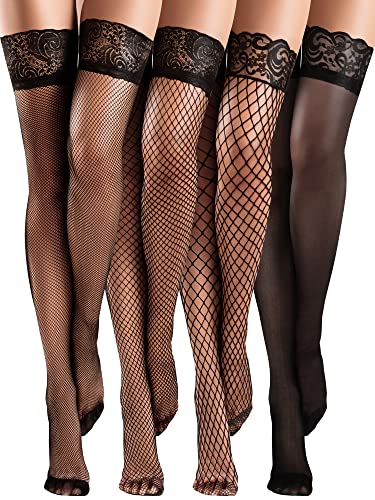
Bencailor 4 Pairs Fishnet Thigh High Stocking for Women Silicone Lace Top Sheer Over Knee Stockings (4 Pairs,Black,Medium)
Meet Your Needs: the package comes with 4 pairs of thigh high stockings, providing your closet with stylish…
As an affiliate, we earn on qualifying purchases.
As an affiliate, we earn on qualifying purchases.
Origins of Hosiery in Ancient Egypt and Greece
Have you ever wondered where hosiery first began? In ancient Egypt around 500 AD, the earliest knitted socks appeared, crafted from simple wool or linen. These early garments served practical purposes, keeping feet warm and protected. Moving to ancient Greece and Rome, woven fabrics made from wool and silk became popular among the upper classes, symbolizing wealth and status. These materials were often dyed vibrant colors, and fine textiles like silk signaled luxury. While the Greeks and Romans didn’t knit in the modern sense, their use of woven and sewn fabrics laid the groundwork for later hosiery development. Early Egyptians, meanwhile, experimented with knitting techniques, creating some of the first wearable foot coverings that would influence future textile innovations. Additionally, the development of textile techniques such as dyeing and weaving during this period helped pave the way for more sophisticated hosiery designs in later eras. The craftsmanship of these early textiles reflected evolving fashion trends that would continue to influence clothing design throughout history. Furthermore, the integration of innovative materials contributed to the durability and aesthetic appeal of ancient hosiery, setting standards for future developments in textile craftsmanship. Innovations like dyeing methods allowed for more vibrant and varied colors, enhancing the visual appeal of garments and demonstrating the artisans’ skill.
FULLSOFT Buttery Soft Black Leggings for Women – High Waisted Tummy Control No See Through Workout Clothes for Women Yoga Cycling Spandex Tights Butt Lifting Pants Fitness Clothing(Black,L-XL)
✅ EASY CARE | Wash with like color. Free your hands. You can safely throw it into the…
As an affiliate, we earn on qualifying purchases.
As an affiliate, we earn on qualifying purchases.
The Renaissance and the Rise of Finer Textiles
During the Renaissance, the availability of finer materials like silk and cotton transformed hosiery into a more luxurious and fashionable item. As the textile industry expanded, these materials became more accessible, allowing a wider range of people to enjoy high-quality stockings. This period set the stage for innovations that would shape hosiery for centuries to come. Additionally, advancements in fabric technology during this era contributed to the development of more durable and comfortable hosiery options.
Finer Material Adoption
Did the Renaissance mark a turning point in hosiery materials? Absolutely. During this period, finer textiles like silk and cotton became more accessible, transforming hosiery from rough wool to luxurious, delicate fabrics. You’d notice that men’s hose often featured bright colors and intricate patterns, made from these finer materials, showcasing wealth and status. The expansion of the textile industry made these materials more affordable and available to a broader population. Silk stockings, in particular, grew popular among the upper classes, symbolizing elegance and sophistication. Cotton, produced in larger quantities by the late 18th century, offered a cheaper alternative without sacrificing quality. This era set the stage for hosiery to evolve into a symbol of fashion, comfort, and social distinction through the adoption of finer, more refined fabrics. Additionally, advances in weaving techniques enhanced textile quality and dyeing processes further elevated the appeal and diversity of hosiery materials during this transformative period, contributing to the development of textile craftsmanship.
Textile Industry Expansion
The expansion of the textile industry in the Renaissance period made finer fabrics like silk and cotton more widely available and affordable. This surge allowed people to access luxurious materials previously reserved for the wealthy, fueling innovations in hosiery. Factories in cities like Norwich produced silk, wool, and cotton stockings, making durable, stylish hosiery accessible to more. As a result, men’s hose became more colorful and patterned, reflecting social status and fashion trends. The table below highlights key textile developments:
| Year | Material | Impact |
|---|---|---|
| 1775 | Cotton thread | Made stockings more affordable and durable |
| 1778 | Silk stockings | Elevated fashion; promoted by French elites |
| 1816 | Circular knitting machine | Increased production efficiency |
| 1940 | Nylon | Revolutionized hosiery with durability |
Textile innovations, such as the introduction of circular knitting machines, further accelerated the production of fine hosiery, making stylish options more accessible to the general population. Additionally, the development of modern synthetic fibers has continued to influence hosiery manufacturing, offering new possibilities for style and durability. The availability of organic and natural fibers has also played a role in creating sustainable hosiery options in recent times. Moreover, advances in textile manufacturing techniques have enabled the production of more intricate and innovative hosiery designs.
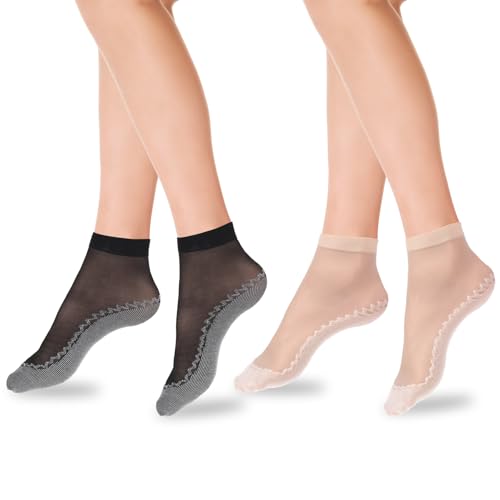
InnoHHustle Sheer Socks, 12 Pairs Nylon Socks for Women Sheer Ankle Sock Women Ankle Stockings Silk Sock w/Reinforced Bottom and Toe
Free Size Fit: These ankle short sheer socks are designed to fit women’s shoe sizes from US 5…
As an affiliate, we earn on qualifying purchases.
As an affiliate, we earn on qualifying purchases.
Victorian Elegance and the Advent of Patterned Stockings
Victorian society embraced hosiery as a symbol of elegance, elevating stockings from simple essentials to fashionable statements. During this time, stockings became more than just functional; intricate patterns, embroidery, and decorative clocks added sophistication and status. You could see delicate floral designs, geometric motifs, and detailed embroidery showcasing wealth and taste. Natural materials such as silk and fine wool were favored for their luxurious appearance and feel. They reflected social standing, with finer materials and elaborate designs reserved for the upper classes. Patterned stockings often featured embroidery or lace accents, emphasizing craftsmanship and luxury. The use of clocks and decorative bands at the ankle or side signified attention to detail and fashion trends. This era’s stockings weren’t just practical; they expressed identity, class, and personal style, making hosiery an essential part of Victorian elegance. Additionally, textile innovation introduced new weaving techniques that allowed for more complex and durable patterns, further elevating the status of hosiery as a fashion statement. The introduction of industrial textile manufacturing techniques made these luxurious designs more accessible to the burgeoning middle class, broadening the appeal of fashionable hosiery. Furthermore, advances in dyeing processes enabled vibrant and long-lasting colors, enhancing the decorative appeal of patterned stockings and making them even more desirable. The development of chemical dyes contributed significantly to the variety of colors and intricate designs achievable in this period.

Lusofie 2-Pack High Waist Fishnet Tights Women Floral Pattern Sheer Stockings Breathable Pantyhose Black See Through Hosiery for Party, Costume & Daily Outfits
Unique Floral Pattern Design: Our fishnet stockings for women feature a combination of floral and leggings design style,…
As an affiliate, we earn on qualifying purchases.
As an affiliate, we earn on qualifying purchases.
The Birth of Tights and the Cotton Revolution
The invention of tights in 1803 marked a significant milestone in hosiery history, aimed at replacing petticoats while providing warmth and modesty. With the rise of cotton thread production in 1775, cotton stockings gained popularity for being smooth, affordable, and comfortable. The Industrial Revolution further boosted accessibility, making hosiery available to the masses. The circular knitting machine, invented in 1816, streamlined production and improved efficiency. As a result, cotton tights became a practical alternative to traditional wool or silk stockings, especially in colder climates. This shift not only transformed everyday wear but also set the stage for future innovations. You can see how technological advances and the cotton revolution together reshaped hosiery, making tights an essential and versatile part of clothing history.
Nylon’s Breakthrough and the Modern Hosiery Industry

Nylon’s invention in 1938 marked a pivotal moment that transformed the hosiery industry forever. It offered a durable, affordable alternative to silk, making stockings more accessible and long-lasting. When nylon stockings hit the market in 1940, they sold out in just two days, signaling a major shift in consumer demand. During World War II, nylon production shifted to military uses, like parachutes and tire cords, but after the war, nylon regained popularity for civilian hosiery. Its lightweight, sheer qualities and high tensile strength set new standards. You should understand that this breakthrough not only improved product performance but also expanded the market, making hosiery more affordable and available to a broader audience. Nylon’s impact laid the foundation for future innovations in materials like Lycra. Additionally, the synthetic fiber revolution significantly influenced the development of modern hosiery materials, paving the way for even more advanced textiles.
Wartime Innovations and the Shift to Military Uses
During wartime, the demand for materials like nylon shifted dramatically from fashion to military needs. You’ll see how nylon’s high tensile strength and lightweight qualities made it ideal for parachutes, tire cords, and other military equipment. This shift underscores how material priorities changed under the pressures of global conflict. Additionally, advancements in fraud detection techniques during this period helped secure military supply chains against increasingly sophisticated threats. The emphasis on organic farming methods during wartime also influenced the availability and production of materials, as sustainable practices became more crucial for maintaining resource supplies in challenging times.
Nylon’s Military Shift
As World War II intensified, the military’s demand for durable, strong materials skyrocketed, prompting a dramatic shift in nylon production from consumer hosiery to military applications. DuPont redirected its focus, producing nylon for parachutes, tire cords, and other wartime necessities. This transition markedly reduced the availability of nylon stockings for civilians, making them scarce and highly coveted.
- Nylon’s high tensile strength and lightweight nature made it ideal for parachutes and military gear.
- The shift highlighted how wartime needs can alter the entire textile industry and consumer markets.
- Nylon’s new military role spurred innovations that later benefited civilian products, including durable, elastic fibers used today.
This change underscores how global conflicts push material innovation, transforming everyday items into strategic assets.
Wartime Material Priorities
World War II dramatically reshaped priorities within the textile industry, forcing manufacturers to focus on materials that could meet military demands. Nylon, once prized for fashion, was quickly repurposed for parachutes, tire cords, and other essential gear. As imports of silk from Japan declined, nylon became the primary synthetic alternative, offering strength, lightweight durability, and high tensile strength even when wet. Manufacturers shifted production from hosiery to military supplies, prioritizing efficiency and utility. The demand for versatile, durable fibers led to innovations in synthetic materials, with nylon becoming critical for wartime applications. After the war, these technological advances influenced civilian markets, but during the conflict, military needs decisively dictated material choices, transforming textile priorities from fashion to function.
From Lace to Lycra: The Evolution of Hosiery Materials
The evolution of hosiery materials reflects a constant quest for better fit, comfort, and style, transforming from delicate lace and fine silk to the stretchy, form-fitting fabrics we wear today. You’ve gone from ornate, decorative textiles to high-tech materials designed for performance and comfort. Lycra, introduced in the 1950s, revolutionized hosiery by offering exceptional elasticity and shape retention. Today, modern fabrics combine durability, breathability, and flexibility, shaping how you experience fashion and function.
Hosiery has evolved from delicate silk to high-tech, flexible fabrics that blend style, comfort, and performance.
- You benefit from innovations that prioritize your comfort and enhance your natural movement.
- These materials reflect technological progress, balancing beauty and practicality in everyday wear.
- Your choice of hosiery now influences your confidence, style, and comfort, rooted in a history of material evolution.
Frequently Asked Questions
How Did Ancient Materials Influence Modern Hosiery Textiles?
Ancient materials like wool, silk, and cotton laid the groundwork for modern hosiery textiles. You’ll find their influence in today’s blend of durability, comfort, and style. Wool’s warmth, silk’s smoothness, and cotton’s breathability still shape fabric choices. You benefit from centuries of innovation, as modern textiles combine these traditional materials with advanced fibers like nylon and Lycra, creating hosiery that’s both functional and fashionable.
What Innovations Enabled the Mass Production of Hosiery in the 18TH Century?
You see, the key innovations that enabled mass production of hosiery in the 18th century include the circular knitting machine invented by Marc Isambard Brunel in 1816, which greatly increased efficiency and material use. Additionally, the expansion of textile industries allowed for cheaper, more accessible cotton, silk, and wool threads. These technological and industrial advancements made hosiery more affordable, uniform, and widely available, transforming it into a mass-market product.
How Did Military Needs Shape the Development of Hosiery Materials?
You might not realize it, but military needs dramatically shaped hosiery materials. During World War II, nylon shifted from fashion to military use, powering parachutes and tire cords. This coincidence limited civilian stockings, pushing innovation and resourcefulness. As demand for durable, lightweight fabrics grew, nylon became essential, transforming hosiery from a fashion statement into a crucial industrial material, influencing both military technology and everyday clothing development.
Why Did Nylon Replace Silk as the Dominant Hosiery Material?
You see, nylon replaced silk as the dominant hosiery material because it’s cheaper, more durable, and easier to produce at scale. When DuPont introduced nylon in 1938, it offered a synthetic alternative that appealed to consumers during the wartime era, especially as silk imports became limited due to World War II. Nylon’s strength, affordability, and availability made it the preferred choice for hosiery manufacturers and shoppers alike.
What Are the Environmental Impacts of Hosiery Material Production Today?
You should know that hosiery production today impacts the environment in several ways. Manufacturing synthetic fibers like nylon and Lycra consumes significant energy and releases greenhouse gases. It also involves chemical processes that can pollute water sources and harm ecosystems. Additionally, these materials are non-biodegradable, contributing to long-lasting textile waste. As a consumer, choosing sustainable options or recycling hosiery can help reduce your environmental footprint.
Conclusion
As you explore hosiery’s history, you see how each material symbolizes innovation and adaptability. From delicate lace to resilient Lycra, these fibers reflect society’s changing needs and desires. Your journey through time shows that fabrics aren’t just coverings—they’re symbols of progress, elegance, and strength. Just like the threads woven into each pair, your appreciation for their evolution connects you to a rich legacy of creativity and resilience.