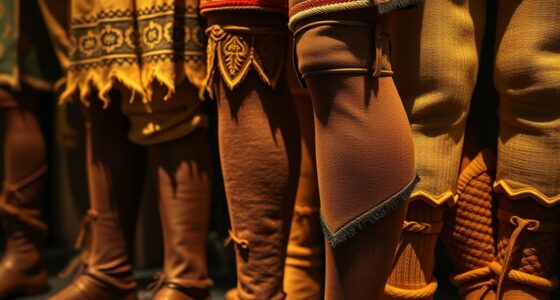
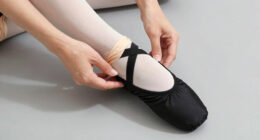
Ballet tights originated in royal courts as practical garments inspired by aristocratic fashion, starting with men’s knee-length breeches called culottes that highlighted posture and leg lines. Louis XIV popularized tights for performances, helping dancers show their form and improve movement. Over time, women adopted tights as costumes became simpler and more functional, emphasizing agility and skill. If you’re curious, you’ll discover how these garments evolved to become essential stages of ballet.
Key Takeaways
- Tights originated from European court fashion, particularly men’s knee-length breeches called culottes, emphasizing posture and athleticism.
- King Louis XIV popularized tights in ballet to showcase dancers’ form, lines, and muscular legs during performances.
- Early ballet tights were primarily worn by men to support technical precision and highlight strength and grace.
- Women’s ballet costumes evolved to include tights to allow greater movement, visibility of lines, and technical expression.
- Tights transitioned from court attire to essential ballet garments, symbolizing elegance, discipline, and the evolution of dance technique.
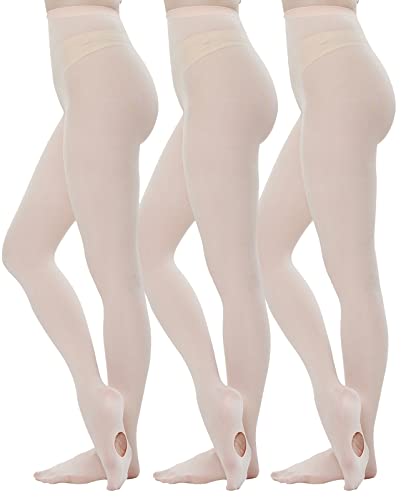
MANZI 3 Pairs Convertible Dance Tights for Women Transition Ballet Stockings Ballet Pink Small-Medium
Women's ballet tights with convertible styling for footed or footless tight option
As an affiliate, we earn on qualifying purchases.
As an affiliate, we earn on qualifying purchases.
The Roots of Ballet in Renaissance Court Entertainment
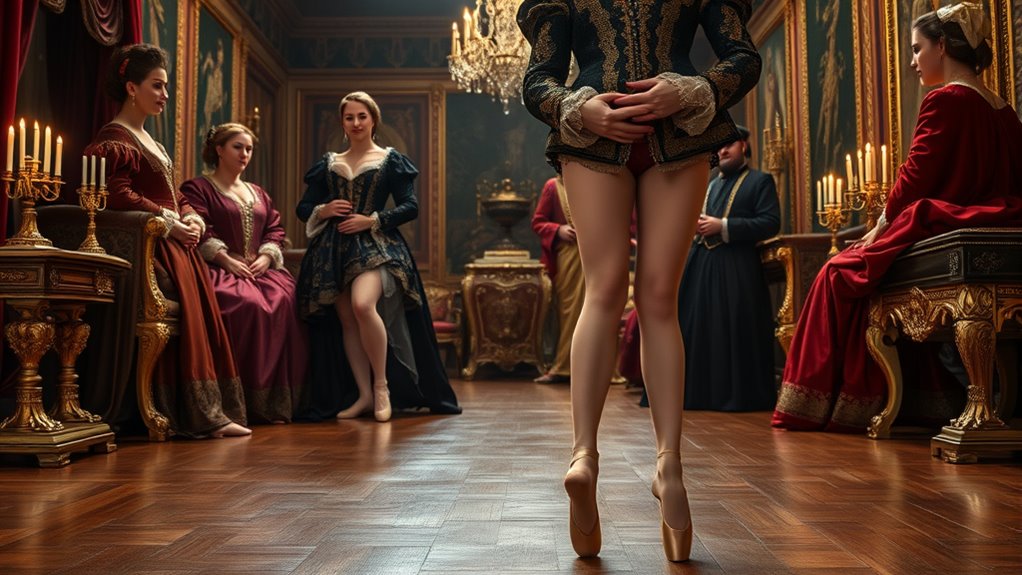
Ballet has its roots in the elaborate court entertainments of the Italian Renaissance during the 15th and 16th centuries. You would witness aristocrats performing highly stylized dances that emphasized precision, posture, and grace, often to impress royalty and noble audiences. These performances combined dance, music, poetry, and elaborate costumes, creating a spectacle of aristocratic power and cultural sophistication. You’d notice the use of formalized movements and symbolic gestures to tell stories or honor important figures. Courtly dance became a display of social status, with performers dressed in luxurious, symbolic attire to reflect their rank. These early performances laid the foundation for ballet’s development, transforming court entertainment into a refined art form that emphasized elegance, technique, and storytelling. The use of formalized movement and detailed choreography helped establish the discipline and structure that would define ballet in later centuries. Additionally, the emphasis on cultural symbolism played a significant role in conveying social messages and maintaining the hierarchical order within court societies. Moreover, the integration of performance etiquette reinforced social hierarchies and cultural values of the aristocracy, shaping ballet’s evolution as an art form. The development of costume design also contributed to the visual spectacle and symbolic communication integral to court dance performances.

Capezio Men's Knit Footed Tights , Black, Large
Full foot
As an affiliate, we earn on qualifying purchases.
As an affiliate, we earn on qualifying purchases.
Italian Origins and the Rise of Court Ballet
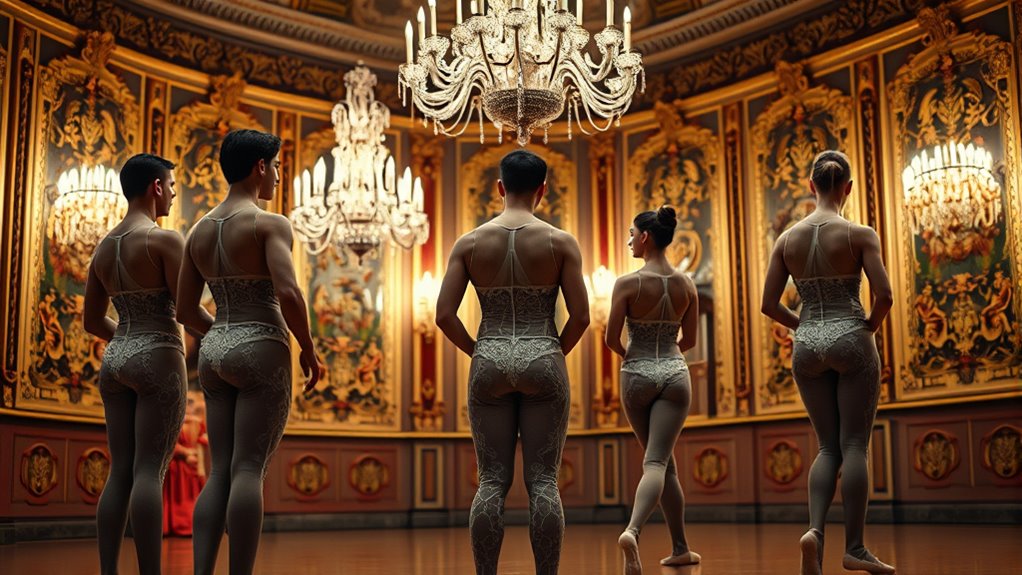
The roots of ballet take shape in the elaborate court entertainments of Italy during the 15th and 16th centuries. You witness aristocrats performing with grace, their movements formalized into a refined art. Court ballet emerges as a display of power, prestige, and cultural sophistication. Its performances often featured symbolic costumes that highlighted social hierarchy and status. The Italian courts fostered a sense of unity between dance, fashion, and social protocol. As you observe, you feel the grandeur and discipline that defined these early performances.
- Experience the pride in aristocratic attire that emphasized elegance and rank
- Feel the intensity of courtly rituals woven into every dance step
- Recognize how costumes reflected themes of power and symbolism
- Sense the foundation laid for future ballet traditions and costumes

Capezio womens Studio Basics Footed tights, Light Suntan, Large-X-Large US
Dyed to match gusset
As an affiliate, we earn on qualifying purchases.
As an affiliate, we earn on qualifying purchases.
French Royal Patronage and the Development of Ballet Tradition
Louis XIV’s support transformed ballet into a prestigious art form, blending court fashion with dance. His patronage fostered a tradition where elegance and posture became central to performance, shaping ballet’s development. As a result, royal influence laid the foundation for ballet’s evolution into a disciplined, artistic discipline recognized worldwide. Additionally, the emphasis on dress code and presentation in ballet performances reflected the broader court culture promoted by the monarchy. This integration of courtly aesthetics helped establish standards of beauty and refinement that continue to influence ballet today. The focus on color accuracy and visual presentation further enhanced the regal and polished appearance of ballet performances, reinforcing their association with aristocratic elegance, which was often upheld through performance attire standards and presentation. Moreover, the use of luxurious fabrics and intricate embellishments in costumes underscored the importance of royal patronage in elevating ballet as an art form tied closely to aristocratic prestige.
Louis XIV’s Ballet Influence
As a key figure in shaping ballet’s evolution, Louis XIV used his patronage to elevate dance from court entertainment to a refined art form. His support established ballet as a symbol of power, discipline, and aristocratic elegance. Under his guidance, dance became formalized, with techniques and standards that persisted. You feel the influence in the grandeur of court performances, where costumes and movement reflected royal authority. You also see how his efforts contributed to the development of ballet technique, laying the foundation for modern ballet practices. You witness how Louis XIV transformed dance into a disciplined art, emphasizing posture and precision in movement. His support also led to the creation of dance terminology, which standardized movements and terminology used today. You see his role in creating the first professional ballet companies, setting industry standards. His patronage also influenced the development of costume design, including tights, to showcase dancers’ lines. You experience how his patronage elevated ballet from fleeting entertainment to a cultural legacy that still inspires today.
Court Fashion and Dance
Court fashion played a vital role in shaping ballet’s development by setting standards for elegance, posture, and costume design that dancers aimed to emulate. Royal patrons, especially in France, influenced dance attire and movements, emphasizing grace and control. As fashion evolved, costumes became more symbolic, highlighting aristocratic status and courtly themes. You notice how court dress dictated dance posture—high, proud, and poised—while costumes reinforced social hierarchies. You can see the connection between court dress and the evolution of ballet aesthetics, as it reflects broader cultural influences. The table below shows key fashion elements linked to ballet’s growth:
| Fashion Element | Function in Ballet | Cultural Significance |
|---|---|---|
| Tight-fitting garments | Highlighting posture and leg lines | Symbol of aristocratic elegance |
| Elaborate accessories | Emphasizing status and pageantry | Courtly display of wealth |
| Color and fabric choices | Conveying themes and mood | Reflecting court aesthetics |
| Headgear and masks | Navigating social protocol | Hierarchical distinctions |
Additionally, the fashion standards established at court served as a blueprint for dance costumes, influencing how dancers communicated social and artistic ideals through their attire. Furthermore, royal patronage helped popularize ballet beyond court circles, fostering its development into a refined art form.
Patronage and Artistic Growth
The support and influence of French royal patrons considerably shaped the evolution of ballet into a refined art form. You can feel their impact in the grandeur of performances and the development of ballet as a cultural symbol. Royal patronage fueled innovation, inspiring dancers and choreographers to push artistic boundaries. It created a prestigious environment that elevated ballet from court entertainment to an esteemed theatrical discipline. This patronage also encouraged the integration of cultural intelligence systems and other aesthetic enhancements that contributed to the overall presentation of ballet productions. Moreover, the royal courts often sponsored the development of artistic techniques, which advanced the technical mastery and theatrical storytelling aspects of ballet. These innovations were supported by a systematic approach to training and production, ensuring the art form’s growth and refinement.

DIPUG Ballet Tights for Girls Dance Tights Toddler Thick Soft Footed Kids Pink Stockings Size 3t 4t 5t, 1 Pack
Thick & Durable: These DIPUG footed girls ballet tights are made from high quality Nylon and Spandex material…
As an affiliate, we earn on qualifying purchases.
As an affiliate, we earn on qualifying purchases.
The Birth of Tights: From Court Fashion to Stage Attire
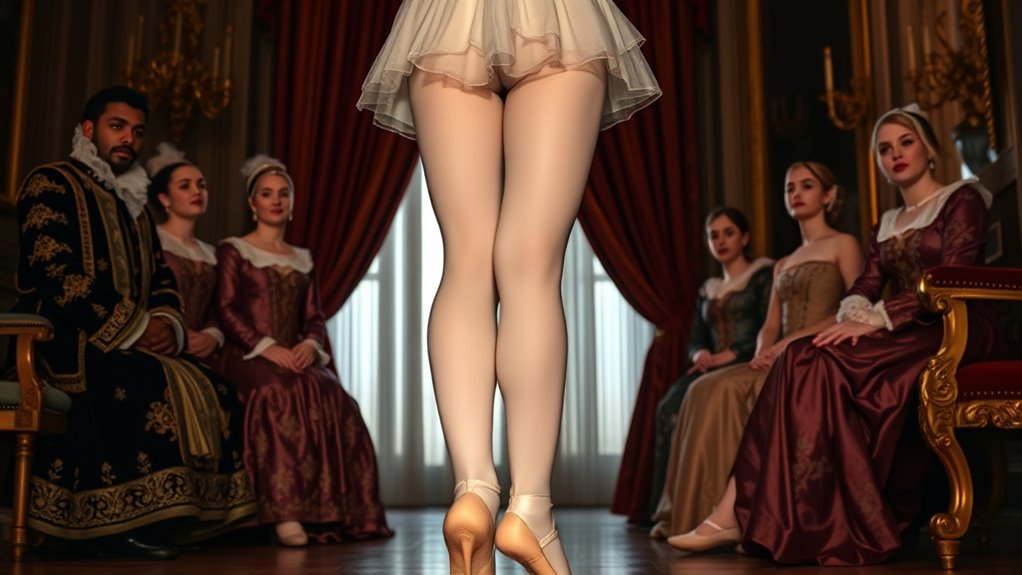
Tights as ballet costume essentials trace their origins back to European court fashion, where they evolved from men’s undergarments known as culottes. In aristocratic courts, men wore tight-fitting, knee-length breeches that highlighted their posture and legs, reflecting status and elegance. King Louis XIV popularized this style, adopting tights for his ballet performances to showcase his form and improve movement. As ballet shifted from court entertainment to public stage, these garments became practical, streamlining costumes and emphasizing physicality. Early ballet tights were mainly for men, designed to support the dance’s technical precision. Over time, women adopted tights too, especially during costume reforms, which favored form-fitting attire that allowed greater freedom and visual clarity, transforming tights into an essential stage costume for all dancers.
Men’s Roles and the Early Adoption of Tights in Ballet
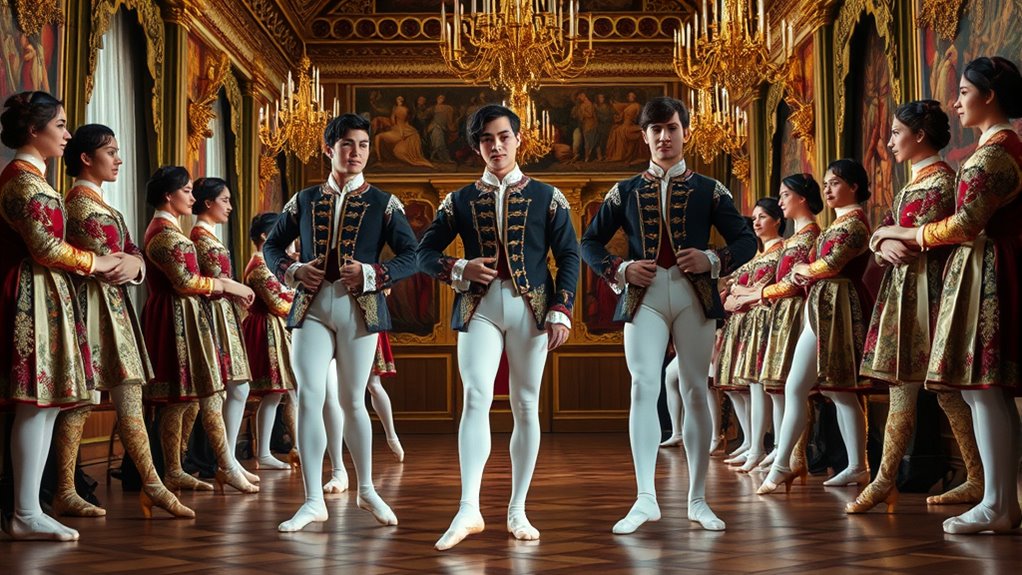
Men played a central role in the early development of ballet, and their attire was designed to emphasize strength, posture, and grace. You can see how tights originated from their courtly undergarments, showcasing athleticism and aristocratic elegance. These garments allowed dancers to move freely, highlighting their physical prowess. Consider how:
- The all-male performances fostered a sense of unity and discipline, inspiring awe.
- Tights accentuated muscular legs, symbolizing power and control.
- Royal patrons, like Louis XIV, adopted tights to showcase dancers’ lines and posture.
- The streamlined attire elevated ballet from simple entertainment to a refined art form rooted in court culture.
Your understanding deepens when you see how tights weren’t just costume; they represented strength, mastery, and the aristocratic ideals of the time.
Evolving Female Participation and Costume Changes
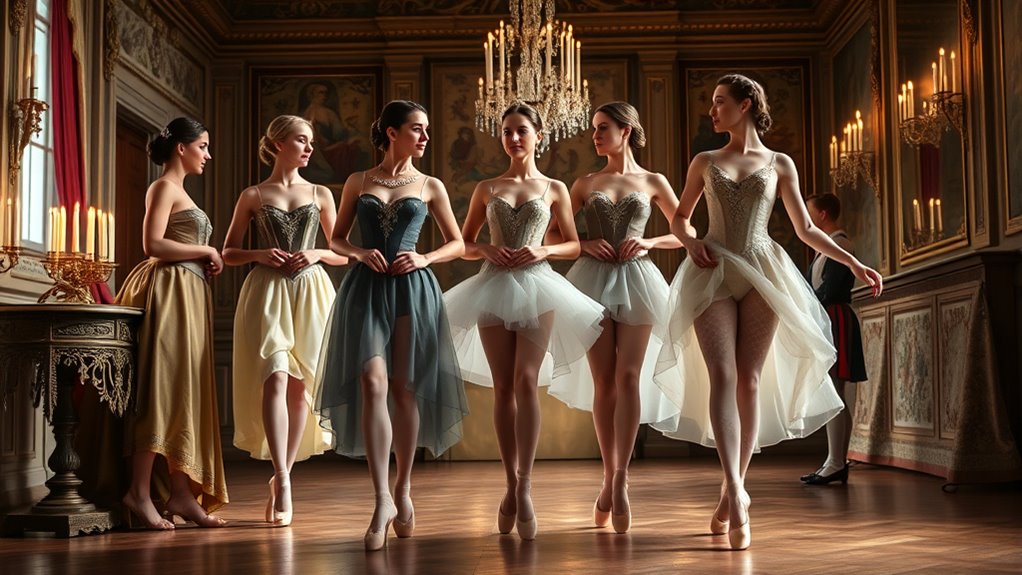
As women began taking the stage more frequently, their costumes shifted toward simpler, more functional designs. You’ll notice how ballet dress codes evolved from elaborate court attire to streamlined outfits that highlight movement. This change not only reflected practical needs but also transformed ballet into a more expressive and accessible art form. Additionally, costume evolution played a key role in enabling dancers to perform with greater agility and freedom. The adaptation of costumes also coincided with the rise of professional training, which emphasized technique and movement efficiency over ornamentation.
Women’s Stage Appearance
Women’s participation on the ballet stage has evolved considerably since the late 18th century, shifting from rare, male-dominated performances to a central role that defines modern ballet. You witness how women’s costumes transformed from heavy, restrictive garments to streamlined, expressive attire. This change allowed greater freedom of movement and highlighted their artistry.
- You see the emergence of delicate tutus and flowing skirts that create an ethereal presence.
- You notice how tights became essential, revealing the dancers’ lines and technical skills.
- You observe the shift from modest, covered costumes to more daring, form-fitting designs.
- You feel the empowerment as women take center stage, embodying grace, strength, and independence through their evolving appearance.
Costume Simplification Trends
Over time, ballet costumes have become increasingly simplified to prioritize movement and expression. As female participation grew, costumes shifted from elaborate court attire to streamlined designs. This evolution made dancing more practical and expressive, reducing restrictions. The progression included lighter fabrics, minimal accessories, and shorter skirts, allowing dancers to perform more freely.
| Era | Costume Features | Purpose |
|---|---|---|
| Late 18th c. | Clinging tunics, tights | Ease of movement |
| Romantic era | Light tulle skirts, tights | Ethereal, floating effect |
| 20th century | Minimalist, sleek designs | Modern, functional focus |
| Contemporary | Diverse fabrics, styles | Inclusivity, innovation |
| Today | Streamlined, versatile | Comfort, expression |
Influence of Court Dress on Ballet Movement and Technique
Court dress heavily influenced ballet movement and technique by shaping the way dancers executed their steps and maintained their posture. The high, structured fashion of the aristocracy emphasized elegance, precision, and control. This led dancers to develop movements that prioritized grace and stability, like the tendu, designed to prevent tripping on long skirts or hoops. The strict social standards of court fashion fostered refined postures, with controlled gestures and upright carriage. As a result, dance movements became more deliberate and disciplined, highlighting the visual lines created by the attire.
- You feel the weight of history in every poised gesture.
- The elegance of court dress elevates your every movement.
- Your posture reflects centuries of aristocratic expectation.
- Movement is refined, precise, and deliberate, shaped by tradition.
Technological Innovations and the Standardization of Ballet Tights

Technological innovations have transformed ballet tights from simple garments into highly specialized and standardized apparel. Advances in fabric technology, like stretchable nylon and Lycra, increased durability, flexibility, and comfort, allowing dancers to move freely. Color technology enabled the creation of flesh tones that match various skin shades, challenging the traditional European pale aesthetic and promoting inclusivity. Knitting techniques improved the fit, ensuring tights stayed in place during demanding routines. The development of seamless construction reduced chafing and enhanced aesthetics, while moisture-wicking fabrics kept dancers dry and comfortable. These innovations standardized ballet tights across studios and stages worldwide, making them essential for both performance and training. Today, technological progress continues to refine tights, balancing tradition with modern needs of comfort, functionality, and diversity.
The Cultural Impact and Legacy of Ballet Tights Today
Ballet tights today serve as a powerful symbol of both tradition and progress within the dance world. They honor ballet’s aristocratic origins while embracing modern diversity and innovation. You feel the connection to centuries-old court fashion, yet see how tights now promote inclusivity through varied skin tones and fabrics. They inspire confidence, allowing dancers to express themselves freely.
- Celebrate cultural diversity and challenge racial stereotypes in ballet
- Preserve historical elegance while adapting to contemporary styles
- Support technical mastery by highlighting form and movement
- Foster a sense of unity across different backgrounds and identities
Through these elements, ballet tights continue to shape the art form’s evolution, reminding us of its rich history and promising future.
Frequently Asked Questions
How Did Tights Influence the Technical Development of Ballet Movements?
Tights considerably influenced ballet’s technical development by providing dancers with greater mobility and support. Their close fit allowed you to see the precise placement of your legs and feet, helping you improve balance and control. With tights, you could perform movements like *tendu* and *pointe* more smoothly, emphasizing technique and line. This streamlined attire also encouraged the development of new steps and styles, pushing ballet to evolve as a technically demanding art form.
When Did Tights Become a Standard Costume for Female Ballet Dancers?
Tights became standard for female ballet dancers in the late 18th and early 19th centuries. As costume reforms replaced heavy skirts with clingy tunics and tights, they gained popularity for their practicality and aesthetic appeal. Initially shocking audiences, especially when revealing legs, tights soon integrated into ballet’s evolving style. Today, they’re essential for both technical support and visual harmony, blending tradition with modern performance needs.
What Materials Were Originally Used to Make Early Ballet Tights?
Early ballet tights were originally made from lightweight, woven fabrics like silk, linen, or fine wool, which provided flexibility and a sleek appearance. These materials allowed dancers to move freely while highlighting their leg lines. Over time, as technological advances improved fabric quality, tights evolved to include stretchy knits and blends, increasing durability and comfort, but their initial purpose was to combine functionality with aristocratic elegance in court performances.
How Did Court Fashion Norms Shape the Design of Ballet Tights?
Court fashion norms heavily influenced ballet tights’ design by emphasizing elegance, posture, and visual lines. You’ll notice how high-cut, form-fitting tights showcased the legs, aligning with aristocratic ideals of refinement. The strict dress codes encouraged streamlined, functional attire that highlighted movement and physicality. As a result, tights evolved from courtly hosiery to essential ballet costumes, blending fashion with practicality to enhance both the aesthetic and technical aspects of dance.
Why Are Ballet Tights Traditionally Pink in Color?
You see, ballet tights are traditionally pink because they blend with the pale European skin tones typical of dancers, creating a seamless, elegant look on stage. This color choice emphasizes the dancers’ lines and movements, enhancing their form and technique. Over time, pink became the standard because it highlighted the legs’ shape, giving a refined, polished appearance that aligns with ballet’s focus on grace and aesthetics.
Conclusion
You might be surprised to learn that over 80% of ballet dancers today wear tights that trace back to royal court fashions. These garments evolved from court dress to stage essential, shaping how you see ballet movement and elegance. Next time you watch a performance, remember that these tights, born in royal courts, transformed dance into the art form we admire. Their legacy proves that fashion and culture continually influence artistic expression.