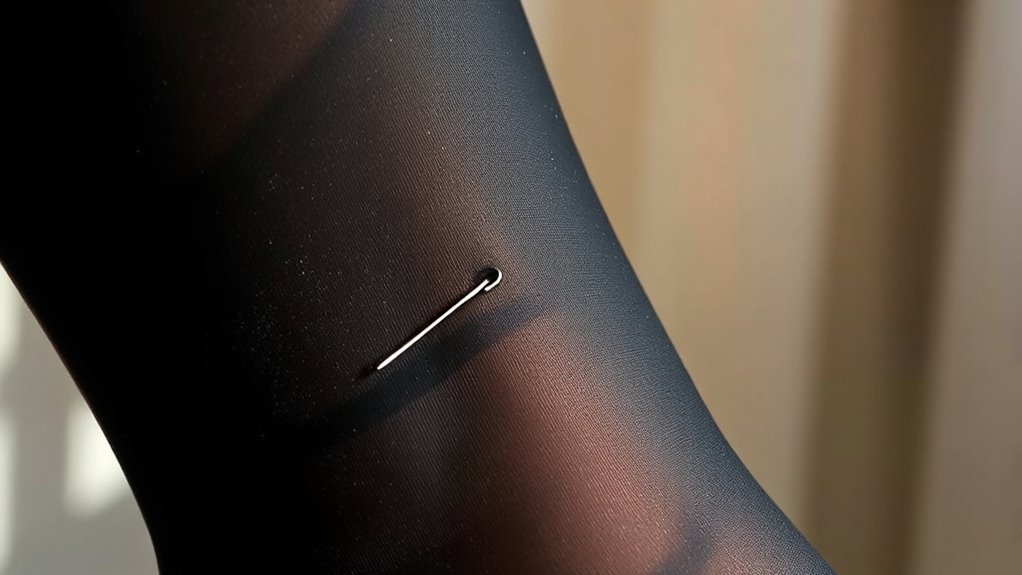

When a snag or run happens, quick fixes like applying clear nail polish or hairspray can stop it from spreading further. If you’re in a restroom, a bit of liquid soap from the sink can temporarily seal the gap. For a more lasting fix, try hand-sewing small holes with matching thread, ensuring your stitches are tight and discreet. Keep these tips handy—you’ll discover even more ways to fix tights on the go if you continue exploring.
Key Takeaways
- Use household items like clear nail polish or hairspray to temporarily seal snags and prevent runs from spreading.
- Apply soap directly to small holes or snags in public restrooms for a quick, temporary fix.
- Hand-sew small tears with fine, matching thread for a durable, nearly invisible repair.
- Secure stitches with double knots and small, even stitches from inside to outside to ensure longevity.
- Handle tights gently, store properly, and inspect regularly to prevent and minimize future snags and runs.

RARJSM Clear Glass Fiber Nail Repair Gel Polish for Broken Damaged Nails Strengthener Gel Base Coat Transparent Building Glass Extension Gelpolish Soak Off UV LED Curing Requires Salon Home 8ml
VERSATILE REPAIR NAIL GEL:The Clear Fiber Glass Repair Gel Nail Polish is designed for multifunctional use and features…
As an affiliate, we earn on qualifying purchases.
As an affiliate, we earn on qualifying purchases.
Using Clear Nail Polish for Instant Repairs

When you notice a small run or snag in your tights, applying clear nail polish offers a quick and effective fix. Start by carefully brushing the polish around the entire edge of the snag, extending about a quarter-inch outward from the hole. This creates a seal that prevents the run from spreading further. Allow the polish to dry completely, which hardens and secures the fibers in place. For added durability, flip the tights inside out and apply a second coat to the affected area. This simple three-step process requires minimal time and supplies, making it perfect for on-the-go repairs. By sealing the snag early, you can extend the life of your tights without needing immediate professional fixes.

DASHU Mega Hold Super Hair Spray 8.45 fl oz – Ultra-Strong Fixation, Hairspray for Women & Men, Dryness Prevention, Natural Finish, Easy Wash-Out
ULTRA-STRONG, ALL-DAY HOLD: Designed for maximum fixation, this hairspray locks in complex or dynamic hairstyles, providing exceptional durability…
As an affiliate, we earn on qualifying purchases.
As an affiliate, we earn on qualifying purchases.
Applying Hairspray to Stop Runs in Tights

If you notice a small run in your tights while on the go, hairspray can be an effective quick fix. It works by bonding the fibers together, preventing the run from expanding further. To apply, hold the spray about six inches from the damaged area and evenly coat it. Allow the hairspray to dry for a few minutes, forming a hardened barrier. Here are some tips:
- Keep the spray at a safe distance to avoid oversaturating.
- Spray lightly to prevent stiffness or stiffness.
- Wait until the hairspray dries completely before wearing.
- Reapply if the run persists or begins to widen.
- Ensuring proper fabric support can help maintain the integrity of your tights and prevent future snags. Proper tights maintenance can also extend their lifespan and reduce the likelihood of runs. Additionally, understanding fiber bonding helps in choosing the most effective quick fixes for delicate fabrics. This quick fix buys you time until you can perform a more permanent repair or replace your tights. Being aware of fiber types can guide you in selecting the best repair method for different fabrics.

Handheld Sewing Machine Heavy Duty, with Blue Leather Storage Case and 110-Piece Sewing Kit, Mini Portable, Ideal for Adults & Beginners, Complete Set of Quick Home Clothing Repair Tools, Good Gift
【Package List】 A total of 110 sewing supplies: 1 exquisite leather storage case, 1 handheld sewing machine, 1…
As an affiliate, we earn on qualifying purchases.
As an affiliate, we earn on qualifying purchases.
Emergency Fix With Liquid Soap in Public Restrooms
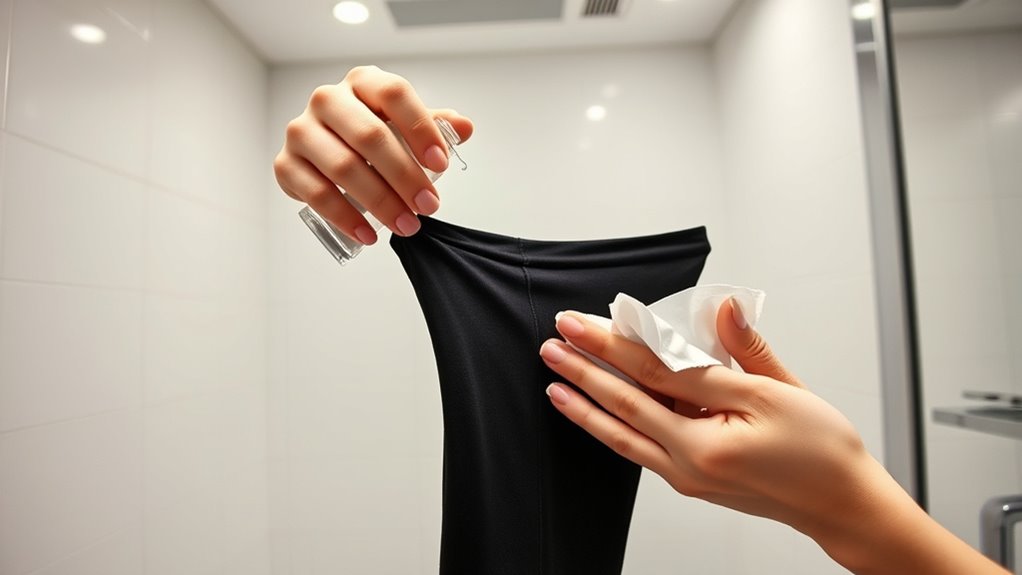
When you notice a run in your tights and no repair kit is nearby, check if the restroom has liquid soap available. Applying soap directly to the snag creates a quick barrier to prevent it from worsening. Make sure to spread the soap evenly and let it dry completely before continuing your day. Additionally, being aware of risk management strategies can help you handle such wardrobe emergencies more effectively. Using specialized spray tips designed for delicate fabrics may help prevent further damage in future situations. For added durability, consider filter replacement tips to maintain your tights’ integrity over time. Incorporating sustainable practices can also enhance your wardrobe’s longevity and reduce environmental impact. Ensuring proper air purifier maintenance can also extend the lifespan of your clothing and reduce allergens that may cause fabric deterioration.
Accessing Restroom Supplies
Ever find yourself in a public restroom with a snag in your tights and no nail polish or hairspray nearby? Don’t panic. You can still manage a quick fix using restroom supplies. First, locate the soap dispenser—liquid or bar soap works. Second, apply a small amount of soap directly to the snag or run. Third, gently press and smooth the fabric to help the soap seep into the fibers. Fourth, wait a few moments for the soap to dry and harden, creating a temporary barrier that prevents the run from worsening. This method is fast, accessible, and effective in a pinch. Keep in mind, it’s a temporary fix until you can properly repair your tights at home. Regular use of exfoliating acids like glycolic acid can enhance skin texture and help prevent issues such as snagging or tearing in delicate fabrics. Additionally, understanding the horsepower of electric dirt bikes can be useful if you’re interested in off-road gear, but for tights, quick fixes like this are your best bet. Practicing mindful organization and assessment of your wardrobe can help you stay aware of fragile items and prevent future mishaps. Remember, applying a small amount of fabric glue or clear nail polish can also provide a more durable temporary solution when needed. Moreover, being aware of high-quality anime movies can be a fun way to pass the time while dealing with wardrobe emergencies.
Applying Soap Effectively
In a busy public restroom, you might find yourself facing a snag in your tights without access to nail polish or hairspray. In this situation, liquid soap can serve as a quick temporary fix. Simply squeeze a small amount onto the damaged area, focusing on the snag or run. As the soap dries, it hardens, forming a temporary barrier that prevents the run from spreading further. Both bar soap and liquid soap work effectively, but liquid soap is easier to apply neatly. Gently spread the soap over the problem spot and wait a few minutes for it to dry completely. This quick fix isn’t permanent but buys you time until you can properly repair or replace your tights. Additionally, Hackathons can inspire innovative quick fixes and creative problem-solving techniques for everyday challenges like this one, especially when considering home repair methods and improvisations. Reflecting on ancient wisdom, resilience and adaptability are key virtues that can help us navigate unexpected situations, just as these quick fixes demonstrate. For example, understanding the principles of natural seed production can encourage resourcefulness and sustainable solutions even in unexpected circumstances. Incorporating innovative approaches, such as data-driven strategies, can further enhance your ability to find effective solutions quickly.

40PCS Tire Repair Rubber Nail, Vacuum Tire Repair Kits Spiral Rubber Nails, Tire Screw Plug Fast Tool Self Service Tire Repair Nail for car, Motorcycle, Truck, Tractor Tire Puncture Repair
High Quality: Our self-service tire repair screws are made of premium rubber materials, No aging and can withstand…
As an affiliate, we earn on qualifying purchases.
As an affiliate, we earn on qualifying purchases.
Repairing Small Holes With Embroidery Hoop Hand-Sewing

Choosing the right thread and color is essential to making your repair less noticeable, so pick a match that blends with your tights. Securing your stitches firmly and finishing with neat knots guarantees the repair holds during wear and washing. Paying attention to these details will give your tights a durable, almost invisible fix. Incorporating appetizers – Mad Tasting techniques, such as careful stitching, can enhance the durability and appearance of your repair. Additionally, understanding the different types of stitches suitable for delicate fabrics can improve the strength and flexibility of your mend. Using tuning principles to adjust tension and stitch length can further optimize your sewing results for delicate materials.
Selecting Thread and Color
When repairing small holes in tights with an embroidery hoop, selecting the right thread and color is essential for a seamless finish. You want your repair to blend naturally, so choose a thread that matches the tights’ color as closely as possible.
Here are some tips to help you select the best thread:
- Use polyester or nylon thread for durability and flexibility.
- Pick a shade that closely matches the tights, or opt for clear or transparent thread if available.
- Test the thread on a hidden area first to check color compatibility.
- Consider using a fine needle and thin thread to minimize visibility of stitches.
Choosing the right materials ensures your repair looks neat and stays secure during wear.
Securing and Finishing Stitches
After selecting the matching thread and fine needle, you can begin securing your stitches to repair the small hole. Start with a double knot at the inside edge of the hole to anchor your thread. Use small, even stitches, moving from inside to outside to minimize visibility. When nearing the end, double knot again to guarantee security. To finish, gently pull the thread tight and trim excess. Proper securing prevents unraveling and keeps the repair durable. Here’s a quick overview:
| Step | Action |
|---|---|
| Knotting | Double knot at start and end |
| Stitching | Inside-to-outside stitches |
| Securing and Trimming | Tighten, trim excess |
This method assures your repair stays intact through wear and washing.
Professional Threading Techniques for a Seamless Look
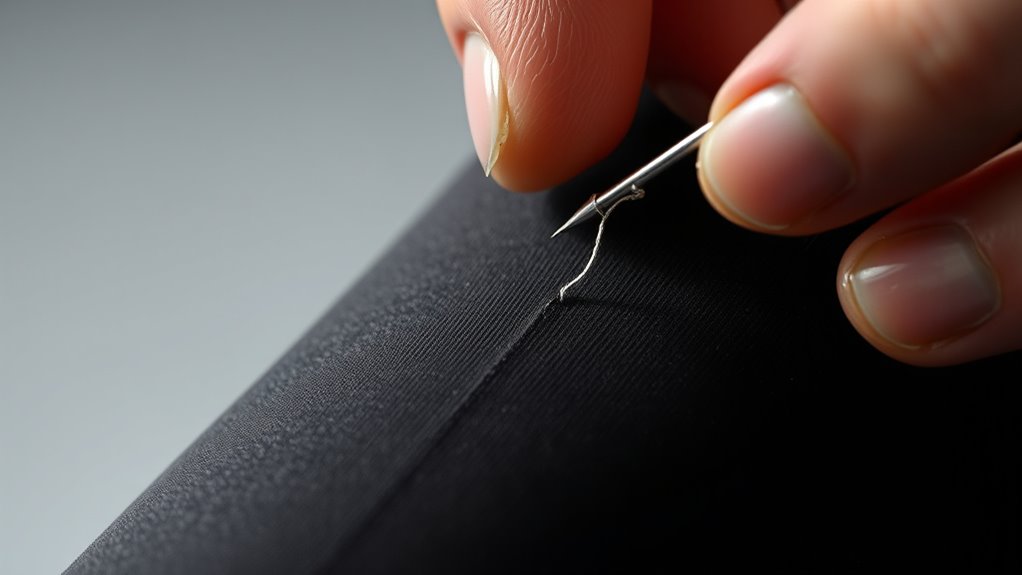
Professional threading techniques are essential for achieving a nearly invisible repair that blends seamlessly with your tights. To get the best results, follow these steps:
- Choose matching thread color to your tights for a discreet finish.
- Use a fine, sharp needle to create small, even stitches along the tear or run.
- Sew from the inside of the garment, pulling stitches gently but firmly to tighten the repair without puckering.
- Finish with a knot or secure stitch at both ends to prevent unraveling, then trim excess thread carefully.
Keep your stitches close together for a seamless look, and avoid pulling too tight, which can distort the fabric. This method ensures a durable, virtually invisible mend that stands up to washing and wearing.
Preventative Tips to Keep Your Tights Running Less Often
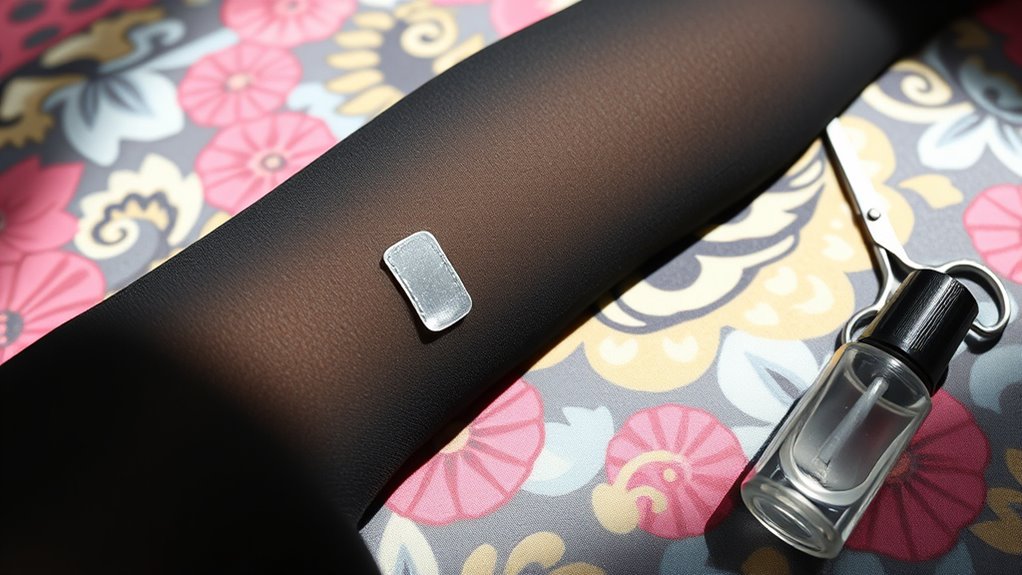
To reduce the chances of tights running, handling them carefully during wear and removal is essential. Avoid snagging by gently pulling on tights, and remove jewelry or rough fabrics that could catch. Store tights properly, avoiding sharp objects and rough surfaces. Regularly inspect for small issues before they worsen.
| Tip | Action | Benefit |
|---|---|---|
| Handle with Care | Gently put on and take off tights | Prevents snags and tears |
| Proper Storage | Keep in a drawer or separate pouch | Reduces catching and damage |
| Immediate Attention | Fix small runs early | Stops expansion into bigger holes |
| Use Quality Tights | Invest in durable, well-made pairs | Less prone to runs |
Frequently Asked Questions
Can Clear Nail Polish Damage or Discolor the Tights Over Time?
Clear nail polish can sometimes cause discoloration or damage to your tights over time, especially if applied heavily or repeatedly. It may leave a slight residue or change the fabric’s appearance, making it more noticeable. To avoid this, use a thin layer and test on a small area first. Regularly inspect your tights to catch any potential damage early, and consider alternative quick fixes if you’re concerned about long-term effects.
Is Hairspray Safe for Delicate or Synthetic Tights?
Did you know that over 60% of women experience tights runs unexpectedly? Hairspray is generally safe for delicate or synthetic tights when used sparingly, as it bonds fibers temporarily. However, avoid excessive application, which can stiffen or damage the fabric. Always test on a small area first, and let it dry completely before wearing, to prevent any potential discoloration or stiffness that might compromise your tights’ delicate texture.
How Long Do Liquid Soap Repairs Typically Last?
Liquid soap repairs typically last until you wash or wear the tights again. Since it’s a temporary fix, the soap creates a short-term barrier that holds the fibers together. You should treat it as a quick fix, expecting it to last only a few wears or washes. To guarantee longevity, consider a more permanent repair method when possible, like sewing or professional mending.
Can Embroidery Hoop Sewing Be Done on All Types of Tights?
You can use embroidery hoop sewing on most types of tights, but it’s best suited for thicker or more durable fabrics. Delicate sheer tights might tear further or be difficult to work with inside the hoop. When repairing, choose matching thread and be gentle to avoid damage. If your tights are very fine or fragile, consider alternative repair methods like nail polish or professional sewing for better results.
Are Professional Threading Repairs Suitable for Everyday Wear?
Professional threading repairs are suitable for everyday wear if done correctly. They offer a durable, nearly invisible fix that withstands multiple washes, making them ideal for regular use. You might think they’re only for special occasions, but with proper technique and matching thread, these repairs blend seamlessly and last longer. Just guarantee you follow proper sewing methods, and your tights will look good as new, even after daily wear.
Conclusion
Knowing quick fixes like clear nail polish or hairspray can save your day, especially since studies show that over 60% of women experience tights runs at least once a week. With these simple tricks, you can confidently tackle snags on the go and extend your tights’ lifespan. Next time you’re in a pinch, remember these tips—they’ll keep you looking polished without any hassle. Stay prepared, and enjoy your stylish confidence wherever you go!