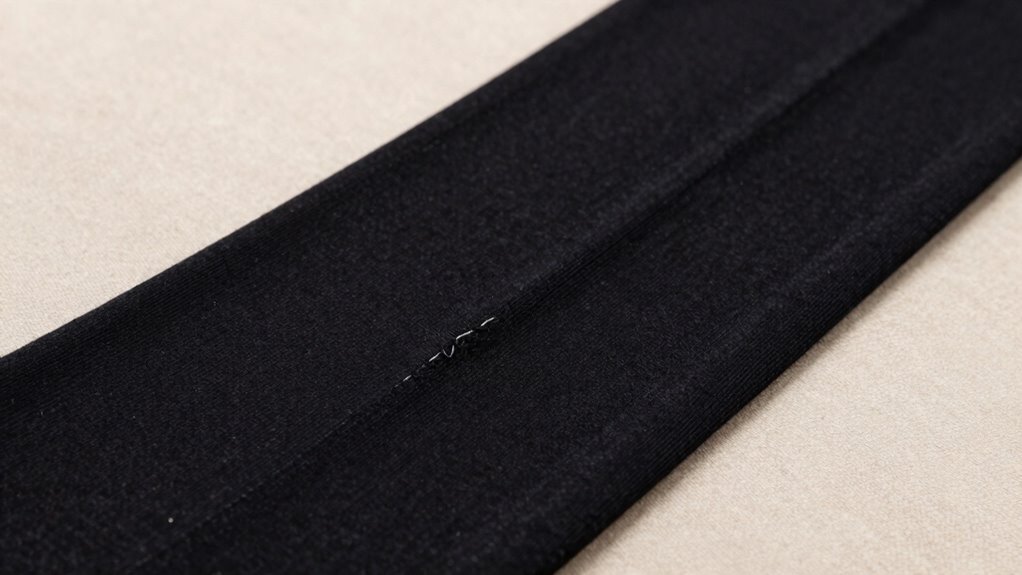

You should consider repairing your tights if they’re still in style, made of durable fabrics like nylon blends, and have minor damage, such as small snags or holes. If they’re your favorites or match current fashion trends, fixing them makes sense to extend their life and maintain your look. However, if the damage is extensive or the tights are old and out of style, replacement might be better. Keep exploring to learn more about making the best decision.

Get your wardrobe favorites delivered free — and shop member deals
- Fast, free delivery on millions of items
- Access to Prime Big Deal Days deals on October 6–7
- Prime Video, Amazon Music and more included
Key Takeaways
- Assess if the tights have minor damage like small snags or holes that are easy to repair.
- Consider if the tights match current fashion trends and suit your wardrobe needs.
- Check the fabric quality; durable materials make repair more viable and long-lasting.
- Determine if the tights are still in good condition or out-of-style, guiding whether to repair or replace.
- Evaluate the level of personal attachment and how often you wear the tights to justify repair.
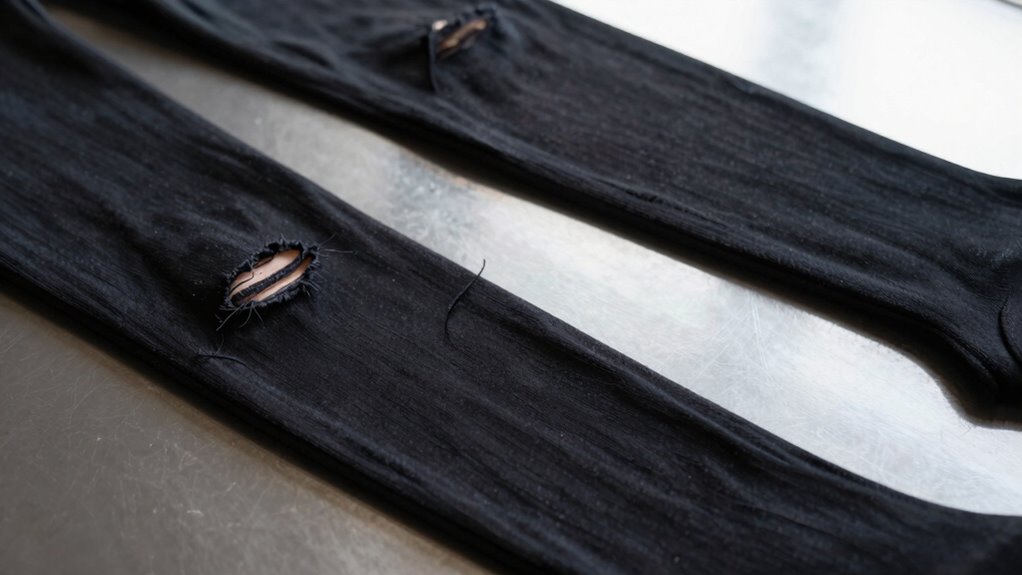
Tights can be a staple in your wardrobe, but knowing when to repair them rather than toss them out can save you money and extend their lifespan. When deciding whether to mend a pair, think about how they fit into your current fashion trends. If they’re still stylish and complement your outfits, it’s worth fixing them rather than replacing. Tights often stay in fashion longer than you might think, especially if they’re a classic color or pattern that pairs well with multiple looks. If they’re trendy and in style, repairing makes even more sense, as it keeps your wardrobe updated without constantly buying new pairs.
Next, assess the material durability of your tights. Some fabrics hold up better over time, especially those made with higher-quality fibers like nylon blends or spandex. These tend to resist runs and tears longer than cheaper, less durable materials. If your tights have minor issues like small runs, snags, or holes, but the fabric remains strong and flexible, repairing can be a practical choice. However, if the fabric has become thin, frayed, or brittle, it might be more effective to replace them. Material durability influences how easily your tights can be repaired and how long they’ll last after mending. Understanding the material quality can help you decide whether repair or replacement is the smarter choice. Additionally, knowing the fabric resilience can give you a better idea of how well your tights will hold up after repairing. Recognizing the fabric care requirements can also help you extend the life of your tights through proper maintenance. Proper fabric maintenance not only prolongs their usability but also improves the success of repairs. Taking care of the fabric properly can prevent future damage and make repairs more successful.
High-quality fabrics like nylon blends and spandex resist damage longer, making repairs more practical and prolonging your tights’ lifespan.
You should also evaluate the extent of the damage. Small snags, pulls, or tiny holes are typically straightforward to fix with some sewing or patching, making repair worthwhile. If the damage is confined to a small area and the rest of the tights are in good condition, repairing can restore their usability without sacrificing style. Conversely, if the tear is large or affects multiple areas, it might be more practical to buy a new pair. Consider the time and effort involved in repairs versus the cost of new tights—sometimes, a quick fix isn’t worth the hassle if the damage is extensive. Also, think about how quickly you need a replacement; if you need tights urgently, replacing them might be the more convenient option.
Another factor to take into account is how much you love the particular pair. If they’re your favorite tights, repair is almost always justified, especially if they’re still fashionable and durable. If they’re an old, out-of-style pair, or if you’re not attached to them, it might be smarter to let them go. Ultimately, your personal attachment, the current fashion trends, and the material durability all play roles in deciding whether a pair of tights deserves a second chance. By weighing these factors carefully, you’ll make smarter choices that save money and keep your wardrobe fresh. Recognizing the importance of wardrobe versatility can help you decide whether repairing or replacing tights aligns better with your style goals.
As an affiliate, we earn on qualifying purchases.
Frequently Asked Questions
Can I Repair Tights With Duct Tape Effectively?
You can use duct tape for quick, temporary fixes on tights, but it’s not ideal for long-term wear. While duct tape may stop a small run from spreading, it’s not a sustainable, eco-friendly DIY fix. For fashion sustainability, consider sewing or using fabric patches instead. Repairing tights properly extends their life and reduces waste, making your wardrobe more eco-conscious and stylish.
How Long Does a Typical Tights Repair Last?
A tights repair is like a fragile thread holding on; its durability depends on your care. Typically, repair longevity lasts from a few wears to a week, depending on fabric quality and how gently you treat them. For better fashion durability, avoid rough handling and sharp objects. Keep in mind, repairs made with tape or quick fixes aren’t as lasting, so expect them to hold up only temporarily.
Are There Specific Tools Recommended for Fixing Tights?
You’ll want a sewing kit and fabric adhesive to effectively fix tights. Use a small needle and matching thread from your sewing kit for precise repairs, especially for tears or runs. Fabric adhesive is great for quick fixes on minor holes or snags. Apply it carefully, following the instructions, to avoid stiffness. Having these tools ready guarantees you can mend your tights neatly and extend their wearability.
Should I Replace Tights or Try to Repair Them?
Think of repairing your tights as mending a delicate painting—sometimes it’s worth the effort, other times replacement is simpler. If the damage is minor, repair might be a smart choice, saving money and extending their life. But for larger tears or multiple runs, explore fashion alternatives, like new tights or different styles. Ultimately, weigh repair versus replacement based on the damage, cost, and how much you love the pair.
What Types of Damages Are Easiest to Repair?
The easiest damages to repair are small runs or tears, especially with fabric patches. You can carefully sew or use fabric glue to fix these areas. Seam reinforcement is also simple; you just need to reinforce the original seam with a needle and thread. These repairs are quick, discreet, and cost-effective, making them worthwhile if you want to extend the life of your tights without replacing them.
As an affiliate, we earn on qualifying purchases.
Conclusion
So, next time your tights rip, consider if they hold enough sentimental or practical value to repair. Sometimes, holding onto a favorite pair keeps memories alive or saves you money. Believe it or not, repairing tights can be a small act of sustainability, proving that even tiny efforts matter. Trust your instincts—if fixing them feels meaningful, it’s worth the effort. After all, sometimes, what’s broken can still be beautiful and valuable.
As an affiliate, we earn on qualifying purchases.
As an affiliate, we earn on qualifying purchases.
Fall Picks
fall essentials
As an affiliate, we earn on qualifying purchases.