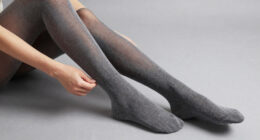

Wearing compression gear that’s too tight can restrict blood flow, cause discomfort, and impair recovery. Proper fit ensures pressure decreases from ankle or wrist upward, supporting circulation without pinching or limiting movement. If you feel numbness, tingling, or pain, your compression may be too tight. Choosing the right size and maintaining comfort are key. To learn how to find that ideal balance, keep exploring these essential principles of compression science.
Key Takeaways
- Proper compression applies targeted pressure without causing pain or restricting movement, ensuring safety and effectiveness.
- Overly tight gear can impede blood flow, leading to numbness, tingling, and potential tissue damage.
- Measuring pressure with devices like manometers helps determine if compression is within safe, therapeutic ranges.
- Fit and sizing are crucial; too tight causes discomfort, while too loose reduces the benefits of support and circulation.
- Material elasticity limits should be respected to prevent overstretching, maintain durability, and avoid constrictive zones.

Copper Fit Unisex-Adult's 2.0 Easy-Off Knee High Compression Socks, black, Large/X-Large
Each box contains 1 pair of easy-on and easy-off knee-high compression socks.
As an affiliate, we earn on qualifying purchases.
As an affiliate, we earn on qualifying purchases.
The Principles Behind Compression Therapy
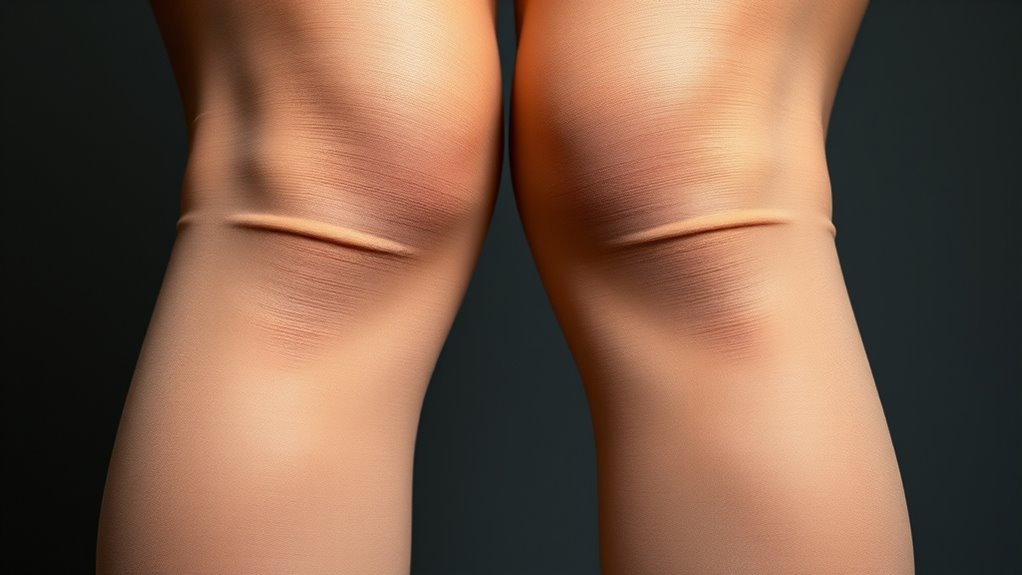
Understanding the principles behind compression therapy is essential to harnessing its full benefits. At its core, compression fabric applies targeted pressure to your limbs, which helps improve blood flow and reduce swelling. This is achieved through pressure gradients—gradually decreasing pressure from the ankle or wrist upward. This gradient encourages blood and lymphatic fluid to move back toward the heart, preventing pooling and discomfort. The right compression fabric is designed to maintain consistent pressure without causing pain or restricting movement. By understanding how these pressure gradients work, you can choose the appropriate compression garments to support circulation and healing. Proper application of compression therapy relies on this fundamental principle, ensuring you get effective results safely and comfortably. Additionally, selecting the correct compression level is crucial for maximizing benefits while minimizing discomfort.

Manometer Data Logger Digital Manometer Gas Pressure Tester with ±200 inH2O Measuring Range, Differential Pressure Gauge 13 Selectable Units Manometer HVAC with Large LCD Screen
【Manometer Data Logger 】DANOPLUS manometer is able to record 15,996 groups data in the device, and unlimited data…
As an affiliate, we earn on qualifying purchases.
As an affiliate, we earn on qualifying purchases.
How Compression Levels Are Measured
To effectively apply compression therapy, it’s important to know how compression levels are measured. Pressure measurement is key to ensuring you get the right compression based on established compression standards. Devices like manometers and pressure gauges help quantify the pressure exerted on your limbs. These tools measure in millimeters of mercury (mm Hg), the common unit for compression levels. Here’s a quick overview:
| Compression Standard | Typical Pressure (mm Hg) | Usage |
|---|---|---|
| Mild | 8-15 | Prevents minor swelling |
| Moderate | 15-20 | Supports moderate venous issues |
| Firm | 20-30 | Managing varicose veins |
| Extra Firm | 30+ | Severe venous or lymphatic problems |
This table helps you understand how pressure measurement aligns with compression standards for effective therapy. Additionally, pressure calibration ensures that measurement devices provide accurate readings, which is essential for safe and effective treatment.

BANWMEN Elastic Lower Leg Calf Compression Support Bandage Sleeve Wrap for Women and Man, Shin Splint Guard for Football Runner, Basketball, Volleyball, Calf Pain Relief, Adjustable Plus Size (Black)
Made of High Elastic and Breathable Material: Breathable fabric provides soft tissue support without heat, breathable, quick-drying perspiration,…
As an affiliate, we earn on qualifying purchases.
As an affiliate, we earn on qualifying purchases.
Benefits of Properly Fitted Compression Gear
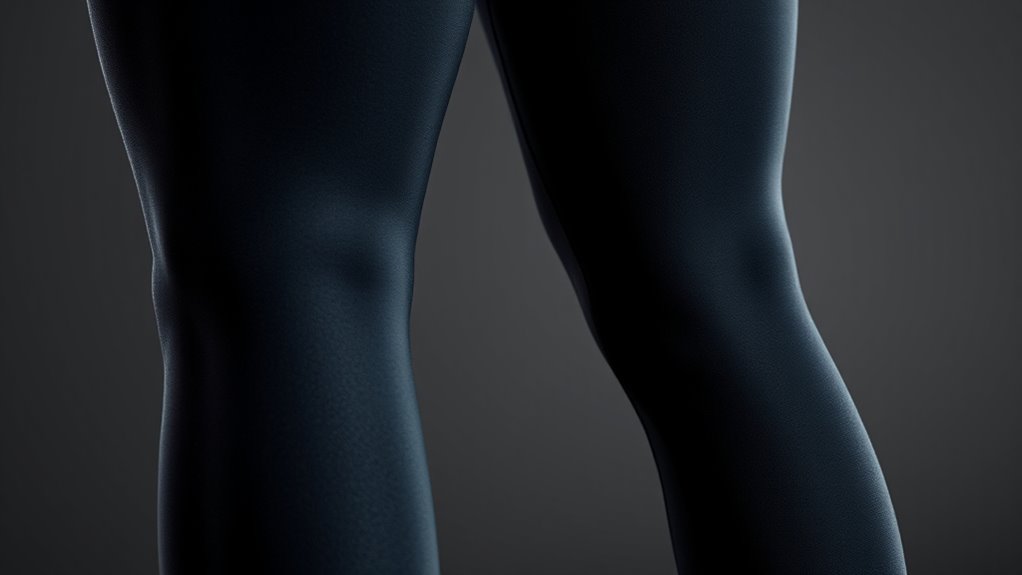
Wearing properly fitted compression gear improves your circulation and speeds up recovery after workouts. It also offers better muscle support, helping you stay stable during activity. When gear fits correctly, you’ll experience these benefits more effectively and comfortably. Additionally, choosing gear tailored to specific activities, such as performance upgrades, can further enhance your overall experience.
Enhanced Circulation and Recovery
When you wear properly fitted compression gear, it actively promotes better circulation by applying consistent pressure to your muscles. This improved blood flow speeds up recovery, reduces soreness, and minimizes fatigue. You’ll notice quicker muscle repair after workouts, helping you get back to training sooner. Plus, compression aesthetics enhance your overall look, making you feel confident while supporting your recovery. The fashion implications are significant: sleek designs and vibrant colors allow you to combine performance with style seamlessly. Here’s a quick comparison:
| Benefit | Explanation |
|---|---|
| Faster Recovery | Boosts blood flow, accelerating muscle repair |
| Reduced Soreness | Less lactic acid buildup leads to less discomfort |
| Improved Circulation | Ensures muscles receive oxygen-rich blood efficiently |
| Enhanced Comfort | Proper fit prevents pinching or slipping |
| Stylish Options | Combines function with fashionable appeal |
Properly fitted compression gear also helps prevent issues like pinching or slipping, ensuring you stay comfortable during activity.
Improved Muscle Support
Properly fitted compression gear provides essential support to your muscles during physical activity, helping to stabilize them and reduce unnecessary movement. This support minimizes muscle fatigue and lowers the risk of injury, allowing you to perform better and recover faster. Beyond function, compression aesthetics play a role in boosting your confidence; sleek, well-fitting gear enhances your appearance and can motivate you to push harder. The fashion implications are significant—compression wear has become a stylish statement, blending performance with style. When your gear fits correctly, it not only supports your muscles effectively but also ensures you look good while working out. Proper fit means ideal muscle support, improved comfort, and a more confident, fashionable you. Additionally, choosing the right compression gear can improve your cycling experience by ensuring comfort during long rides.

Physix Gear Compression Socks – Best Men & Womens Compression Socks for Circulation, Running, Nurses, Athletic Use Sock Compression, Blood Pressure Socks, Calcetines de Compresion, Black/Grey, XXL
Experience Superior Comfort: Our calcetines de compresion provide unparalleled support for all-day wear; perfect as the best compression…
As an affiliate, we earn on qualifying purchases.
As an affiliate, we earn on qualifying purchases.
Risks of Overly Tight Compression

Overly tight compression can pose serious health risks by restricting blood flow and compressing tissues excessively. When compression skin is too tight, it can block proper circulation, leading to numbness, tingling, or even tissue damage. In particular, tight compression zones may cut off oxygen and nutrients needed for healing and muscle recovery. This excessive pressure can cause discomfort, skin irritation, or bruising, especially if the compression isn’t evenly distributed. Over time, sustained pressure in these zones can lead to skin breakdown or increase the risk of blood clots. It’s vital to ensure your compression gear fits properly, avoiding zones that feel constrictive or cause pain. Proper fit helps prevent these dangers while still providing the benefits of compression therapy. Additionally, being mindful of ergonomic furniture can help in creating supportive environments that reduce unnecessary pressure and improve overall comfort.
Signs You’re Wearing Compression Too Tightly
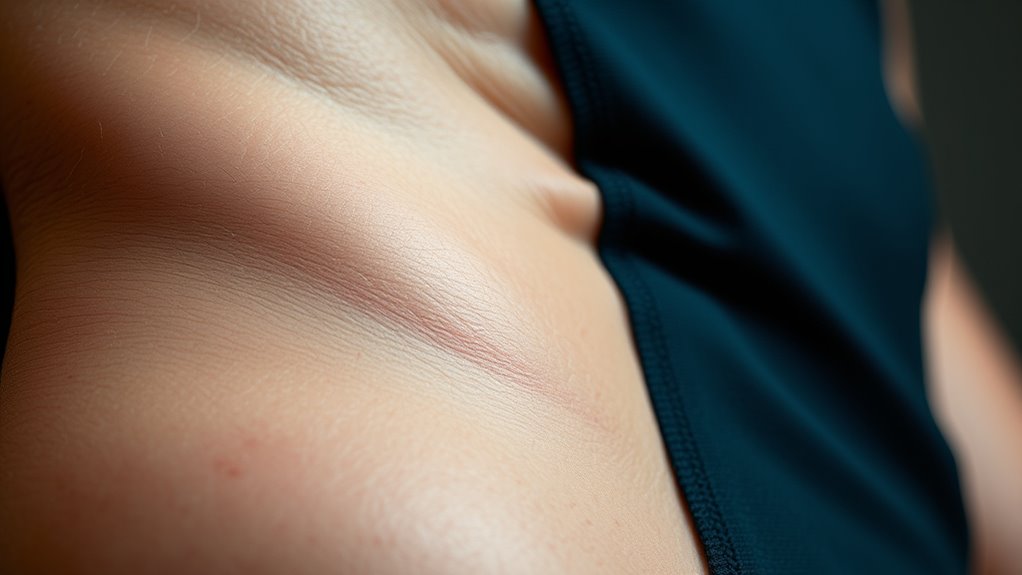
If your compression gear is too tight, you’ll likely notice immediate signs that your body isn’t tolerating it well. You might feel increased discomfort, restricted blood flow, or numbness in your limbs. Some compression myths suggest that tighter is always better, but fabric durability isn’t endless—overly tight garments can cause wear and tear, reducing their effectiveness over time. You may also experience skin irritation or chafing, indicating the compression is too aggressive. Persistent pain or tingling signals that the compression is impeding circulation rather than supporting it. If you notice these signs, it’s a clear sign to loosen or adjust your gear. Proper fit is essential, as overly tight compression can do more harm than good. Additionally, wearing compression that is too tight can compromise your ear health, since constricted blood flow may affect overall circulation and hearing support.
Guidelines for Choosing the Right Compression Fit
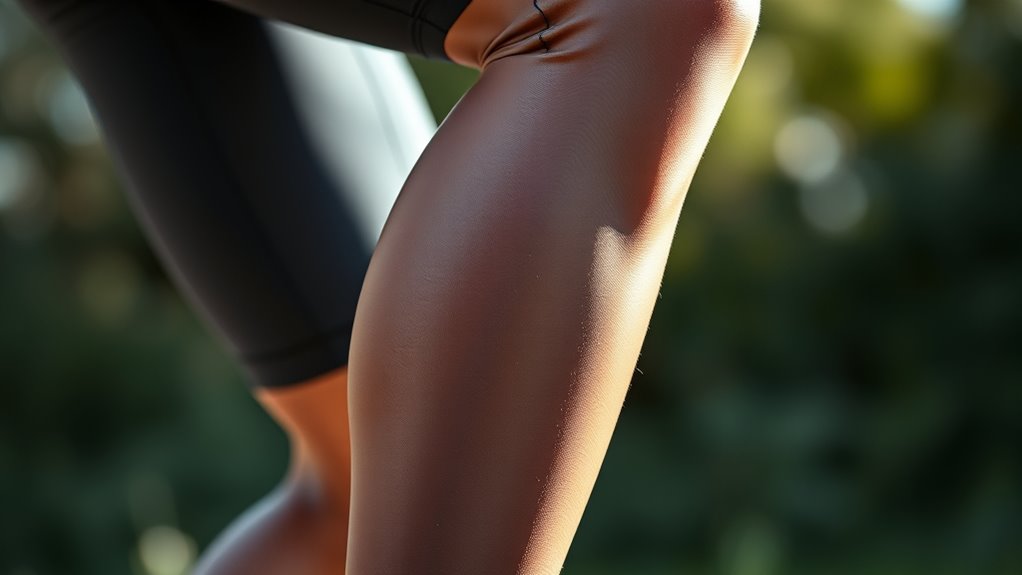
To choose the right compression fit, start with proper sizing techniques to guarantee you get the right level of support. Keep in mind that material flexibility limits how much a garment can stretch without losing effectiveness or comfort. Balance comfort and performance by selecting a fit that feels snug but not constrictive. Considering the horsepower of electric dirt bikes can help you understand how much support and mobility might be necessary for active movement.
Proper Sizing Techniques
Choosing the right compression fit is essential for maximizing benefits and guaranteeing comfort. Start by consulting the sizing charts provided by the manufacturer, as sizing can vary between brands. Measure your body accurately—pay attention to your waist, hips, thigh, and calf measurements—and compare these with the chart to find your ideal size. Keep in mind that compression fabric is designed to stretch but should still fit snugly without causing discomfort or restricting movement. Avoid going too small, which can lead to excessive tightness, or too large, which reduces effectiveness. Proper sizing ensures the garment provides the right level of compression, supports circulation, and feels comfortable during wear. Taking the time to select the correct size makes all the difference in your compression experience. Additionally, understanding security features can help you choose products that offer the most protection and peace of mind.
Material Flexibility Limits
Material flexibility limits play a key role in selecting the right compression fit. You need to consider fabric elasticity, which determines how much a material can stretch without losing its shape or strength. Overstretching reduces material durability, leading to tears or loss of compression over time. To guide your choice, here’s a quick comparison:
| Material Type | Fabric Elasticity | Material Durability |
|---|---|---|
| Lycra | High | Excellent for frequent use |
| Nylon | Moderate | Good but less flexible |
| Spandex | Very high | Very durable when cared for |
| Cotton Blends | Low to moderate | Less durable under stress |
| Polyester | Moderate to high | Durable but less elastic |
Understanding these limits helps you find a compression fit that’s effective yet long-lasting. Additionally, considering the material flexibility limits ensures optimal performance and longevity of the compression garment.
Comfort vs. Performance
How do you balance comfort and performance when selecting a compression fit? It’s a personal choice, but finding the right balance means considering both functionality and style. If your compression gear feels too tight, it can hinder movement and cause discomfort, undermining its performance benefits. Conversely, overly loose gear won’t provide the necessary support. Remember, compression clothing can also make fashion statements; choosing sleek, well-fitted pieces enhances your look while boosting confidence. Opt for a fit that feels snug without restricting blood flow or mobility. Prioritize high-quality fabrics that offer both comfort and support. Ultimately, the right compression fit should feel like a second skin—supportive yet comfortable—so you perform your best without sacrificing style or ease.
Future Directions in Compression Science
Advances in compression science are poised to revolutionize data storage, transmission, and processing, driven by the exponential growth of digital information. Future research focuses on enhancing compression durability to guarantee data integrity over time and under various conditions. Additionally, reducing environmental impacts remains a key goal, making compression algorithms more energy-efficient and eco-friendly. You’ll see developments like:
- Adaptive compression techniques that optimize durability and sustainability
- New materials and methods to minimize environmental footprints
- Algorithms that balance compression tightness with long-term data preservation
As compression technology evolves, your goal is to find solutions that are not only effective but also sustainable, ensuring data remains accessible without harming the environment. This future promises smarter, greener, and more resilient data management.
Frequently Asked Questions
How Does Compression Affect Blood Circulation Over Time?
Compression can restrict blood flow if it’s too tight, affecting your vascular response and circulation health over time. When you wear tight compression garments, they may initially improve circulation, but excessive tightness can cause blood to pool or reduce oxygen delivery. Prolonged use of overly tight compression can lead to discomfort, swelling, and potential vascular issues. To protect your circulation health, guarantee your compression fits well without constricting too tightly.
Can Compression Therapy Be Customized for Individual Needs?
Yes, compression therapy can be tailored for your individual needs by using a personalized fit and adjustable compression options. You can choose garments that fit snugly without cutting off circulation, guaranteeing comfort and effectiveness. Adjustable compression allows you to modify the pressure based on your activity level or specific condition. This customization helps optimize benefits, reduces discomfort, and ensures you get the most out of your compression therapy tailored specifically for you.
Are There Differences in Compression Effectiveness for Various Activities?
In a summary, compression effectiveness varies based on activity. You’ll find that different levels suit athletic performance better, providing support and improved circulation. For everyday wear, lighter compression offers comfort without sacrificing benefits. Think of it like tailoring a suit—adjusting the tightness to match your activity guarantees the best support. Whether you’re running a marathon or just running errands, selecting the right compression level makes all the difference for your comfort and results.
What Materials Are Used to Optimize Compression Comfort and Safety?
You’ll find that modern compression gear uses innovative fabrics like moisture-wicking, breathable, and stretchable materials to maximize comfort and safety. Fabric innovations, such as seamless designs and ergonomic construction, help prevent chafing and guarantee proper fit. These materials work together to provide just enough compression without restricting movement, making your activity safer and more comfortable. Always look for gear that combines advanced fabrics with ergonomic design for peak results.
How Do Age and Health Conditions Influence Compression Fit Requirements?
Imagine your body as a garden that needs just the right amount of water—too much or too little can cause trouble. Age-related changes and health condition considerations shape your compression fit needs, like adjusting watering routines. As you age, your skin and circulation change, requiring a gentler, more tailored fit. If you have health conditions, you might need specialized compression levels to support circulation without causing discomfort.
Conclusion
By paying close attention to how your compression gear fits, you guarantee you enjoy its benefits without any unintended discomfort. Think of it as a gentle dance—finding that perfect balance lets you move confidently and comfortably. When in doubt, listen to your body’s whispers instead of loud signals. With mindful choices, you’ll keep your journey smooth and secure, embracing the science of compression as a helpful partner rather than a tight squeeze.