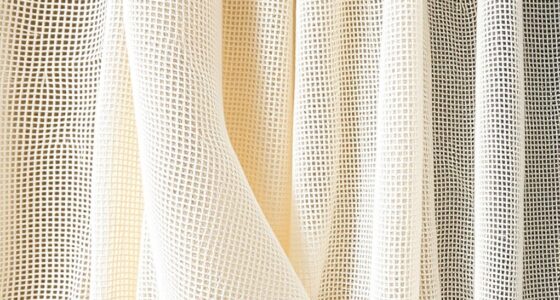
Microfibers, made from ultra-fine polyester and polyamide fibers, create hosiery that’s remarkably transparent by allowing more light to pass through. Their tiny size and open-knit fabric construction reduce light scattering, making the hosiery appear sheer and skin-like. The way fibers are arranged, along with finishes and color choices, also influences translucency. If you want to discover how innovations in microfiber technology enhance both transparency and durability, keep exploring the details behind this fascinating science.

Get your wardrobe favorites delivered free — and shop member deals
- Fast, free delivery on millions of items
- Access to Prime Big Deal Days deals on October 6–7
- Prime Video, Amazon Music and more included
Key Takeaways
- Microfibers’ fine diameter allows more light to pass through, creating a transparent, sheer appearance.
- Open-knit fabric structures and low yarn density enhance light transmission and translucency.
- Fiber composition and uniform microfibers reduce light scattering, increasing the hosiery’s transparency.
- Light-colored microfibers reflect less light, making the fabric appear more sheer and skin-like.
- Advanced manufacturing techniques optimize fiber arrangement and finishing to maximize transparency while maintaining durability.
Microfiber Composition and Its Impact on Transparency

Microfiber composition plays a crucial role in determining the transparency of hosiery. When you choose hosiery made from fine polyester and polyamide blends, you’re selecting lightweight fabrics that feel smooth and comfortable. Nylon and spandex are key components, providing elasticity and ensuring a close, supportive fit. The tiny fibers, often just a few micrometers in diameter, allow more light to pass through, giving the hosiery its sheer appearance. Microfiber nylon technology balances durability with softness, so your stockings stay transparent without sacrificing comfort. This composition creates a fabric that’s breathable, lightweight, and supportive, while offering the delicate, almost invisible look you desire. The fiber materials directly influence how translucent and natural your hosiery appears against your skin.
How Fabric Construction Enhances Sheer Appearance

You can see that yarn density and fiber diameter play vital roles in creating a sheer look. Tighter yarn structures and finer fibers reduce light scattering, making the fabric more transparent. By understanding these construction details, you can better appreciate how hosiery achieves its delicate, sheer appearance. Additionally, advanced fabric construction techniques can further enhance transparency while maintaining durability. Incorporating microfiber technology allows for even greater control over fiber diameter and fabric density, resulting in improved transparency without sacrificing strength. Recognizing the importance of fiber properties helps explain how material choices influence the final sheer effect. Moreover, innovations in manufacturing processes enable manufacturers to refine these characteristics for optimal visual appeal. This understanding underscores the significance of cybersecurity measures in protecting manufacturing data and intellectual property during production.
Yarn Density and Sheerness
How does yarn density influence the sheer appearance of hosiery? Yarn density directly affects transparency by controlling how much light passes through the fabric. Lower yarn density means fewer fibers per unit area, resulting in a thinner, more delicate fabric that’s highly transparent. When yarns are tightly packed, they create a denser fabric, reducing light transmission and making the hosiery less sheer. Conversely, loose or sparse yarn structures allow more light to pass through, enhancing the sheer effect. Microfiber hosiery often employs very low denier counts and open-knit constructions to maximize transparency. By adjusting yarn density, manufacturers can fine-tune the balance between durability and sheer appearance, giving you hosiery that feels lightweight, smooth, and nearly invisible against the skin. Fabric construction also plays a crucial role in enhancing the sheer quality of hosiery by influencing how light interacts with the fibers, especially when combined with yarn material properties. Additionally, fiber arrangement impacts the overall transparency and appearance of the fabric.
Fiber Diameter Impact
The diameter of fibers in hosiery plays a significant role in achieving a sheer appearance. Thinner fibers allow more light to pass through, creating a transparent, skin-like look. Microfibers with diameters below 1 denier scatter less light, enhancing the sheer effect. Larger fibers reflect and diffuse more light, reducing transparency. The fiber’s fineness directly influences how delicate and natural the fabric appears. Additionally, understanding fiber diameter helps in selecting the right hosiery for desired aesthetic and functional qualities. Recognizing how fabric construction impacts the overall look can further optimize the sheer effect and durability of the hosiery. Moreover, advances in fiber technology continue to improve the balance between transparency and strength, expanding design possibilities. The development of manufacturing techniques also plays a crucial role in achieving uniformity and consistency in sheer hosiery. Proper quality control during production ensures that the fibers maintain their intended diameter and performance standards.
Light Interaction and Optical Effects in Sheer Hosiery

When you wear sheer hosiery, light passes through the microfibers, creating a translucent, skin-like appearance. The yarn’s shine and the fabric’s color influence how much light is reflected or transmitted, affecting perceived sheerness. Understanding these optical effects helps explain why some hosiery looks more delicate and natural than others. Additionally, the light interaction with the fibers can be manipulated through different knitting techniques to enhance the sheer effect. For example, the choice of fiber materials can significantly change the optical properties of the hosiery, resulting in varying degrees of transparency and gloss. Moreover, the specific tuning of the fabric’s structure can optimize light diffusion, further enhancing the desired transparency. Recognizing how the fiber quality impacts light reflection enables manufacturers to create more refined and appealing sheer hosiery options. Advances in material engineering can also lead to innovative fibers that improve both durability and transparency, expanding design possibilities.
Light Transmission Principles
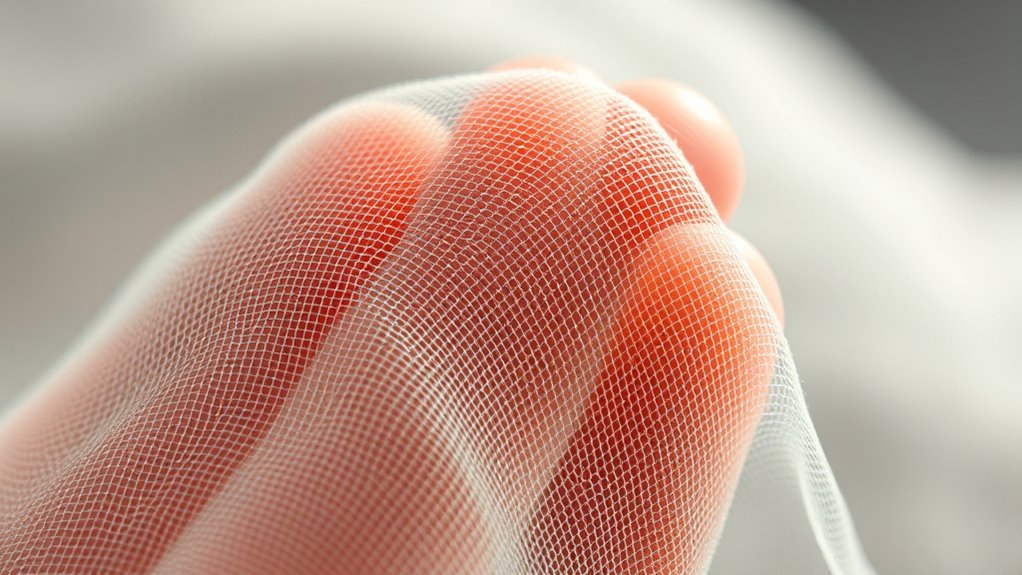
Light transmission in sheer hosiery hinges on the interaction between microfibers and incident light. Because microfiber diameters are extremely fine, they allow more light to pass through rather than reflect or absorb it. This results in a translucent, almost skin-like appearance. The uniformity of microfibers minimizes light scattering, enhancing transparency. Delustering agents like titanium dioxide reduce surface shine without affecting how light penetrates the fabric. Lighter colors, such as beige, reflect less light and appear more transparent, while darker shades reflect more, reducing transparency. The fabric’s tight construction and filament yarns help direct light straight through, increasing sheer effects. Additionally, the fiber arrangement and manufacturing techniques are optimized to maximize light transmission and achieve an even, natural look, with the fiber diameter playing a crucial role in controlling how much light passes through. Advances in fiber technology continue to improve the clarity and durability of sheer hosiery, ensuring a high-quality appearance. Moreover, the optical properties of fibers can be engineered to enhance specific visual effects, further refining transparency and appearance. Overall, the microfibers’ small size and precise arrangement control light interactions, creating the subtle transparency that characterizes high-quality sheer hosiery.
Impact of Yarn Shine
Yarn shine considerably influences the optical effects of sheer hosiery by affecting how light interacts with the fabric surface. When yarns reflect light, they create a subtle gloss that can enhance or diminish the fabric’s transparency. High-shine yarns produce a more noticeable sheen, which may draw attention to the hosiery’s surface and reduce the sense of transparency. Conversely, matte finishes minimize reflections, allowing light to pass through more evenly and emphasizing the sheer quality. The level of yarn shine depends on fiber treatment, finishing processes, and the presence of delustering agents. By controlling yarn shine, manufacturers can fine-tune the hosiery’s appearance, balancing a natural, skin-like look with a polished, luxurious finish. This interplay directly impacts the overall aesthetic and perceived quality of sheer hosiery.
Color and Sheerness Effect
Have you ever noticed how the color of sheer hosiery influences its perceived transparency? Lighter shades like beige or nude tend to make the fabric appear more translucent, revealing more of your skin. Darker colors like black or navy absorb more light, reducing transparency and creating a more opaque look. The hue also affects how light interacts with the fibers, altering reflections and the overall sheen.
- Light colors reflect more light, enhancing sheerness
- Darker shades absorb light, increasing opacity
- Bright or reflective finishes can add subtle gloss
- Fabric dye depth influences how fibers transmit light
- Color contrast impacts the perception of skin tone through hosiery
The Role of Finishing Processes and Additives in Clarity

Finishing processes and additives play a crucial role in enhancing the clarity of microfiber hosiery. They remove impurities, smooth fibers, and optimize fabric properties to achieve maximum transparency. Scouring and bleaching eliminate residual oils, dirt, and impurities that can cause cloudiness or fuzziness, ensuring a clean, clear appearance. Nanomaterials like silicon dioxide and aluminum oxide are added to boost dirt resistance and durability without sacrificing transparency. Softening agents improve the fabric’s hand feel, maintaining the smooth, lightweight texture essential for a sheer look. Additionally, optical brighteners enhance whiteness, making hosiery appear more translucent and vibrant. These finishing steps and additives work together to preserve fiber clarity, support the delicate, skin-like appearance, and meet consumer expectations for both transparency and comfort.
Industry Innovations Driving Transparency and Durability

Advancements in manufacturing technologies are revolutionizing the production of microfiber hosiery by enabling the creation of fibers that are both ultra-sheer and highly durable. These innovations include finer fiber production for increased transparency, stronger tensile properties to prevent runs, and precise yarn control for consistent sheerness. Industry leaders develop new knitting processes that optimize fiber alignment, improving both fit and appearance. Additionally, enhanced finishing techniques reinforce durability without sacrificing transparency. Sustainable manufacturing methods reduce microfiber shedding, addressing environmental concerns. You benefit from hosiery that combines a sleek, natural look with improved resilience and comfort.
- Finer fibers with higher tensile strength
- Tighter yarn constructions for durability
- Advanced knitting machines for precise control
- Eco-friendly processes reducing microfiber shedding
- Innovative finishing techniques for longevity
Environmental Concerns and Sustainable Microfiber Technologies
As the demand for sheer microfiber hosiery grows, environmental concerns about microfiber pollution have become increasingly urgent. You need to be aware that synthetic fibers like polyester and nylon shed tiny particles during washing, contributing to water pollution and harming aquatic ecosystems. To address this, manufacturers are developing sustainable microfiber technologies, such as fibers with stronger adherence to reduce shedding. Innovations include tighter yarn constructions, biodegradable fibers, and fabric finishes that trap loose microfibers. You can also choose hosiery made from recycled microfibers or natural alternatives like plant-based fibers. Additionally, washing with microfiber-catching devices or using cold water and gentle detergents helps minimize fiber release. These efforts aim to balance the desire for sheer beauty with the need for environmentally responsible production and use.
Frequently Asked Questions
How Does Microfiber Fiber Diameter Influence Hosiery Transparency?
Your hosiery’s transparency is directly influenced by microfiber fiber diameter; the finer the fibers, the more light passes through, enhancing sheer appearance. Microfibers with very thin diameters scatter less light, making the fabric more see-through and skin-like. When you choose hosiery with microfibers of smaller diameter, you’re opting for a product that offers a delicate, transparent look while maintaining softness and durability.
What Role Does Yarn Twist Play in Sheer Fabric Clarity?
Yarn twist considerably impacts sheer fabric clarity because higher twist levels produce tighter, more uniform yarns that reduce fuzziness and fiber ends on the surface. This minimizes light scattering and enhances transparency. Conversely, low twist yarns can appear fuzzier, increasing light diffusion and diminishing clarity. So, by controlling yarn twist, you can achieve a smoother, more transparent hosiery that’s closer to your skin and visually seamless.
How Do Different Knitting Techniques Affect Hosiery Sheerness?
You can see that different knitting techniques directly impact hosiery sheerness. When you opt for fine gauge knitting, the fabric becomes thinner and more transparent, enhancing the sheer effect. Techniques like jersey or ladder stitch produce a tight, uniform surface with minimal fiber ends, boosting clarity. Conversely, looser or textured weaves increase fuzziness and reduce transparency, making the hosiery less sheer and more opaque.
Can Microfiber Hosiery Maintain Transparency After Repeated Washing?
Microfiber hosiery can maintain transparency after repeated washing if you follow proper care instructions. Use gentle detergents, wash in cold water, and avoid high temperatures to prevent fiber damage or pilling. Opt for delicate cycles and air dry instead of machine drying. These practices help preserve the microfiber’s fine structure, ensuring the hosiery stays sheer and durable over time. Proper maintenance is key to keeping your hosiery looking transparent and fresh.
What Innovations Reduce Microfiber Shedding in Transparent Hosiery?
You won’t believe how these innovations revolutionize microfiber shedding! Advanced fiber adherence techniques, like microencapsulation and enhanced finishing processes, create an almost impenetrable barrier that keeps fibers locked in place. Tighter yarn constructions and eco-friendly binders dramatically cut shedding, making your hosiery stay pristine longer. These breakthroughs guarantee your sheer look remains flawless, reducing environmental impact and boosting durability—so you can confidently enjoy your hosiery without the worry of fibers escaping with every wear.
Conclusion
So, here you are marveling at the sheer magic of microfiber hosiery, thinking it’s all just fabric. Little do you realize, it’s tiny fibers working tirelessly behind the scenes—making transparency look effortless. Ironically, as they push for clearer, more durable tights, they also stir up environmental worries. So next time you admire that flawless, sheer look, remember: it’s science in disguise, quietly balancing beauty with a bit of ecological irony.
Halloween Picks
halloween
As an affiliate, we earn on qualifying purchases.