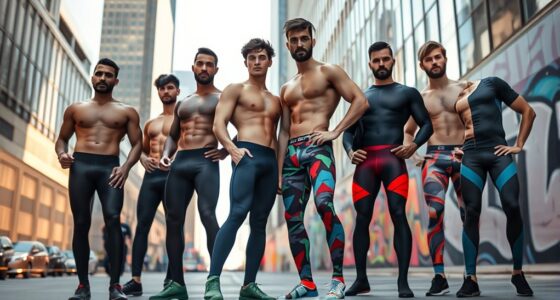
Ski base layers are made to wick sweat away quickly, keep you warm, and withstand tough conditions. They offer a snug fit with stretchy, durable fabrics like merino wool or synthetic blends, helping you stay dry and comfortable during active winter sports. Everyday thermal legwear, on the other hand, usually provides basic insulation but lacks moisture management and durability. If you want to understand how these differences impact your ski experience, keep exploring the details.

Get your wardrobe favorites delivered free with Prime
- Fast, free delivery on millions of items
- Prime Video, Amazon Music and more included
- Member-only deals all year
Key Takeaways
- Ski base layers feature advanced moisture-wicking fabrics that keep sweat away from the skin, unlike regular thermal wear which absorbs moisture.
- They are made from durable, high-performance materials resistant to pilling, tearing, and stretching for prolonged use.
- Ski base layers incorporate fabric technologies like merino wool or synthetic blends designed for demanding winter conditions.
- They have a snug, stretch fit to accommodate dynamic movement and maintain insulation during skiing activities.
- Designed specifically for high-intensity outdoor sports, ski base layers offer enhanced performance and longevity compared to casual thermal wear.
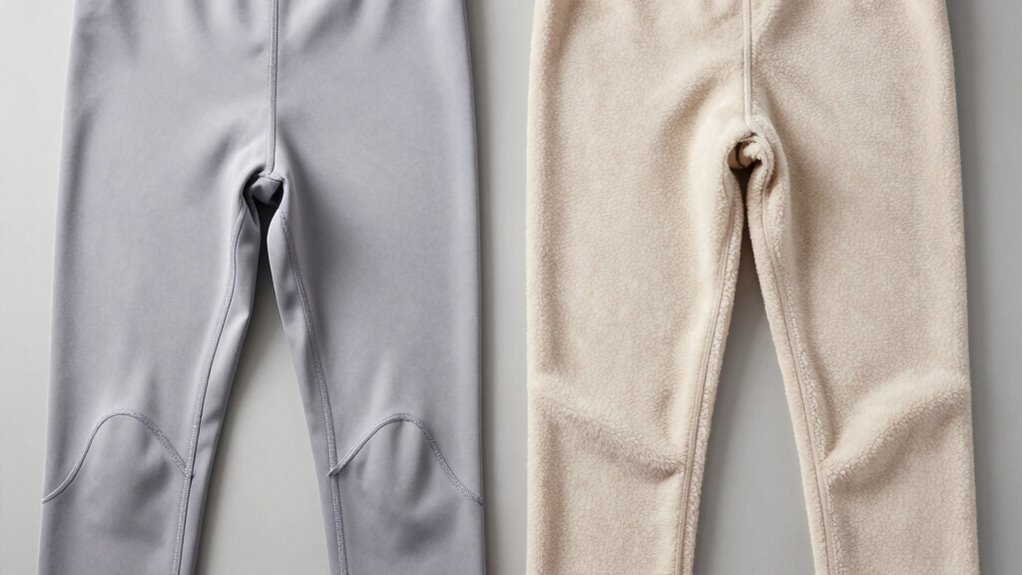
Ever wonder what sets ski base layers apart from everyday thermal legwear? The main difference lies in how they handle moisture and their fabric durability. When you’re out on the slopes, staying dry and warm is essential, and that’s where specialized ski base layers shine. Unlike regular thermal leggings, ski base layers are designed with moisture management in mind. They wick sweat away from your skin quickly, preventing you from feeling damp and chilled as you ski. This quick-drying feature keeps you comfortable and helps maintain your core temperature, especially during intense activity or prolonged exposure to cold conditions. Regular thermal legwear might insulate well but often lacks the advanced moisture-wicking properties needed for high-performance skiing. Without proper moisture management, sweat can build up, leading to discomfort and even hypothermia in extreme cases. Furthermore, ski base layers are often crafted from advanced fabrics that enhance both moisture-wicking and resilience, ensuring optimal performance in demanding conditions. Fabric durability is another key factor that makes ski base layers different. Skiing subjects your clothing to a lot of wear—rubbing against ski equipment, boots, and rough terrain. Ski base layers are constructed from robust materials that resist pilling, tearing, and stretching over time. They’re built to endure the rigors of outdoor winter sports, ensuring you get value from your investment. On the other hand, everyday thermal legwear often uses lighter, less durable fabrics that aren’t meant for intense activity or harsh conditions. These lighter fabrics may also lack stretch and recovery, which are important for maintaining a snug fit during dynamic movements. These might start to wear out or lose their shape after just a few wears, especially if you push them to the limits of their intended use. The durability of ski base layers means you can rely on them season after season, maintaining their fit and function through countless ski trips. Additionally, ski base layers often incorporate advanced fabrics like merino wool, synthetic blends, or specialized technical fibers that combine moisture-wicking capabilities with resilience. This combination allows you to stay dry, warm, and comfortable no matter how long you’re on the mountain. Fabric technology in ski base layers also contributes to their superior performance and longevity, making them a worthwhile investment for avid skiers. Using innovative fabric blends can further enhance their effectiveness and comfort during prolonged outdoor activity. These advanced materials are engineered to withstand the harsh environments faced during winter sports, further increasing their durability and performance. Everyday thermal legwear might be made from cotton or basic polyester, which don’t offer the same level of moisture management or durability. Cotton, in particular, absorbs moisture rather than wicking it away, leaving you cold and clammy when you break a sweat.
ski base layer thermal underwear
As an affiliate, we earn on qualifying purchases.
As an affiliate, we earn on qualifying purchases.
Frequently Asked Questions
Are Ski Base Layers Suitable for Winter Casual Wear?
Yes, ski base layers are suitable for winter casual wear, especially if you want to stay warm while maintaining comfort. They can be styled for casual fashion, and their sleek, fitted design makes them compatible with streetwear looks. You’ll find that these layers work well under jackets or paired with jeans, offering both warmth and style. Just add some accessories or outerwear to complete your winter streetwear ensemble.
How Do I Wash and Care for Ski Base Layers?
You should wash your ski base layers after every few wears to maintain fabric durability and performance. Use cold water and a gentle cycle to preserve the fabric’s moisture-wicking properties. Avoid fabric softeners and bleach, as they can damage the material. Air dry or tumble dry on low heat. Proper care guarantees your base layers stay effective, comfortable, and last longer during winter adventures.
Can Thermal Legwear Be Layered With Other Clothing?
Think of thermal legwear as the canvas for your winter fashion masterpiece. Yes, you can layer it with other clothing, enhancing both warmth and style. Use layering techniques like adding a stylish sweater or waterproof outerwear for versatile looks. Thermal legwear offers fashion versatility, seamlessly fitting under jeans, skirts, or leggings. It keeps you cozy while allowing you to experiment with different outfits, making winter dressing both functional and fashionable.
What Materials Are Best for Ski Base Layers?
You should look for ski base layers made from moisture-wicking fabrics like merino wool, polyester, or nylon. These materials actively draw sweat away from your skin, keeping you dry and comfortable. Additionally, opt for fabrics with good insulation properties to retain warmth in cold conditions. These technical fabrics are designed to perform during intense activity, making them ideal for skiing, unlike everyday thermal legwear which may lack moisture management and insulation.
Do Thermal Legwear Provide UV Protection?
Thermal legwear often provides UV protection, but it depends on the fabric. Many are designed with UV-blocking treatments, helping shield your skin from harmful rays during outdoor activities. Additionally, fabric breathability is key, ensuring sweat and heat escape to keep you comfortable. Check the product details to confirm UV protection level and breathability features before choosing thermal legwear for sun exposure or active outdoor use.
moisture-wicking ski base layers
As an affiliate, we earn on qualifying purchases.
As an affiliate, we earn on qualifying purchases.
Conclusion
Understanding the difference between ski base layers and everyday thermal legwear helps you choose the right gear for your activity. While some believe thermal wear is universally suitable, evidence suggests specialized ski base layers offer superior moisture-wicking and insulation, especially in extreme cold. So, investing in purpose-built ski base layers isn’t just about comfort—it’s about performance. Trusting this truth can keep you warmer, drier, and more prepared, whether hitting the slopes or braving winter days.
As an affiliate, we earn on qualifying purchases.
high-performance thermal leggings
As an affiliate, we earn on qualifying purchases.
As an affiliate, we earn on qualifying purchases.
Halloween Picks
halloween
As an affiliate, we earn on qualifying purchases.