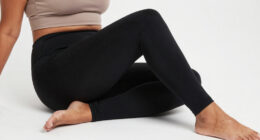
When discussing travel hosiery for DVT risk with your doctor, ask about the right compression level, fit, and timing for wearing them during your trip. Share your medical history, including previous blood clots, medications, and risk factors like obesity, so your doctor can recommend the safest option. They might suggest additional strategies like leg exercises or hydration. Want to make sure you’re fully protected? Keep going to discover key tips you need to take into account.
Key Takeaways
- Confirm if compression stockings are suitable based on your medical history and DVT risk factors.
- Discuss appropriate compression levels (measured in mmHg) and proper fit for comfort and effectiveness.
- Ask about the best timing to wear stockings before, during, and after travel.
- Inquire about additional DVT prevention methods, such as exercises, hydration, and medication considerations.
- Ensure proper guidance on donning, removing, and maintaining compression hosiery for safe use.

When you’re planning a long journey, you might not realize how much sitting still can increase your risk of deep vein thrombosis (DVT). Prolonged periods of immobility, like sitting in a plane, train, or car for hours, can cause blood to pool in your legs. This pooling can lead to clots forming in your deep veins, which can be dangerous if they travel to your lungs. That’s why discussing preventive measures before your trip is essential, especially if you have risk factors like a history of blood clots, obesity, or certain medical conditions. One effective option to consider is travel hosiery, also known as compression stockings. These specialized stockings apply graduated pressure, squeezing your legs from the ankles upward, promoting healthy blood flow and reducing the chances of clot formation. Before you buy or wear compression stockings, it’s crucial to talk to your doctor. They can help determine if this is a suitable option for you and recommend the right level of compression, usually measured in millimeters of mercury (mmHg). Your doctor will consider your overall health, risk factors, and any existing medical conditions to guide you towards the most effective and safe choice. They might also advise you on the proper fit and how to wear the hosiery correctly. Wearing ill-fitting compression stockings can cause discomfort or even impair circulation, defeating their purpose. Additionally, your healthcare provider can advise on the timing of wearing these stockings—whether you should put them on before starting your journey, during, or after—and how long you should wear them each day. It’s also worthwhile to discuss other preventive strategies during your consultation, such as staying hydrated, avoiding crossing your legs, or performing simple leg exercises during long periods of sitting. If you’re on medications like blood thinners, your doctor needs to know, as they might influence your DVT risk and the type of hosiery recommended. They might also identify other risk factors or underlying health issues that need addressing to safeguard your safety during travel. Remember, the goal is to reduce your risk without causing discomfort or other health problems. Your doctor’s guidance is essential because they understand your medical history and can tailor recommendations specific to your needs. Don’t skip this step—being proactive about discussing travel hosiery and other DVT prevention methods can make a significant difference in how safely and comfortably you travel. Preparing ahead by consulting with your healthcare provider ensures you’re taking the most appropriate measures, giving you peace of mind and helping you enjoy your trip without unnecessary health worries. Additionally, understanding your individual DVT risk factors can help you and your doctor determine the most effective prevention strategies tailored to your specific health profile.

Compression Pantyhose for Women, 20-30 mmHg Footless Medical Compression Stockings, Waist High Opaque Graduated Support Compression Hose Tights for Edema, Varicose Veins, Swelling
HELPS PREVENT & RELIEVE: Our support hose for women & men are ideal for preventing and relieving: fatigue,...
As an affiliate, we earn on qualifying purchases.
Frequently Asked Questions
Are Travel Hosiery Suitable for All Age Groups?
Travel hosiery can be suitable for most age groups, but it’s important you consult your doctor first. They’ll consider your specific health needs, age, and any underlying conditions like circulation issues or DVT risk. Younger and older adults might have different requirements, so proper fit and compression levels matter. Always follow your doctor’s advice to guarantee the hosiery provides the right support and safety during your travels.
How Do I Choose the Right Compression Level?
Choosing the right compression level is like selecting the perfect fit for a custom suit—comfort and function matter. You should opt for a moderate compression if you’re traveling, usually between 15-20 mmHg, but consult your doctor for personalized advice. They might recommend higher levels if you have specific health concerns. Trust your healthcare provider to help you find the ideal compression to keep your legs healthy and comfortable during travel.
Can I Wear Travel Hosiery if I Have Existing Blood Clots?
If you have existing blood clots, you should definitely consult your doctor before wearing travel hosiery. In some cases, compression stockings might worsen your condition or interfere with treatment. Your doctor can assess your specific situation and recommend whether compression hosiery is safe for you. Never self-prescribe or use compression stockings without medical advice, especially when blood clots are involved, to avoid potential complications.
Are There Any Side Effects From Wearing Compression Stockings?
Imagine wrapping your legs in a gentle, firm hug—compression stockings can improve circulation and reduce swelling. While they’re generally safe, some people might experience skin irritation, discomfort, or restricted blood flow if they’re too tight. It’s important to get the right fit and follow your doctor’s advice. If you feel numbness, pain, or skin changes, remove them and consult your healthcare provider promptly.
How Often Should I Replace My Travel Hosiery?
You should replace your travel hosiery every six months or sooner if you notice signs of wear like thinning, tears, or loss of elasticity. Regularly inspect your stockings before each trip to verify they provide proper compression. Worn-out hosiery won’t offer the necessary support and could increase your DVT risk. If you’re unsure whether it’s time for a new pair, consult your doctor for personalized advice.
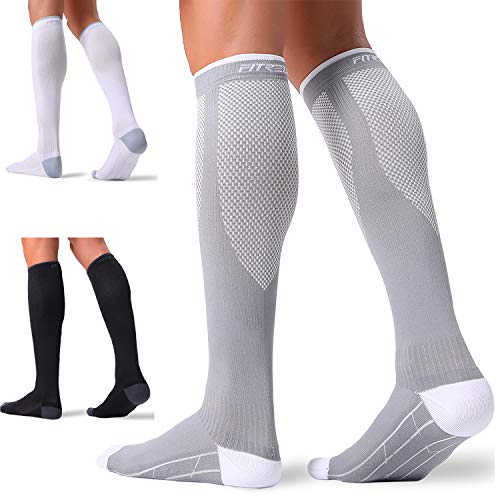
FITRELL 3 Pairs Compression Socks for Women and Men 20-30mmHg- Circulation and Muscle Support Socks for Travel, Running, Nurse, Knee High, Medical Black+White+Grey Small-Medium
【Size Tips】: Choose according to your CALF size first as for 20-30 mmHg. One size smaller if need...
As an affiliate, we earn on qualifying purchases.
Conclusion
Remember, about 25% of all deep vein thrombosis cases are linked to long flights. Wearing compression hosiery can considerably reduce your risk, especially if you’re planning a lengthy trip. Talk to your doctor before traveling to see if it’s right for you. Staying proactive about DVT prevention not only keeps you safe but also ensures you arrive at your destination feeling refreshed and worry-free. Safe travels!

Compression Leggings for Women 20-30mmHg - Footles High Waist Compression Tights for Circulation during Pregnancy, Sports, Workout, Running - Black, Medium - A717BL2
IMPROVED CIRCULATION - Experience enhanced blood flow with 20-30 mmHg compression, ideal for daily wear and recovery.
As an affiliate, we earn on qualifying purchases.
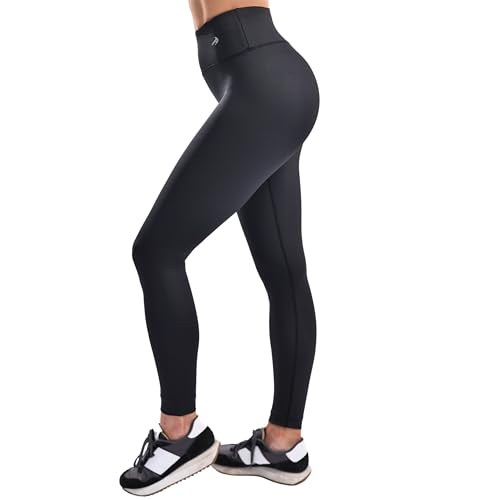
CompressionZ Women's High Waisted Compression Leggings Performance Shaping Gym, Pilates, Travel, Yoga, Workout Pants Black Medium
Tight Yet Comfortable Compression Leggings for Women: Experience ultimate comfort with our compression recovery leggings, suitable for running,...
As an affiliate, we earn on qualifying purchases.