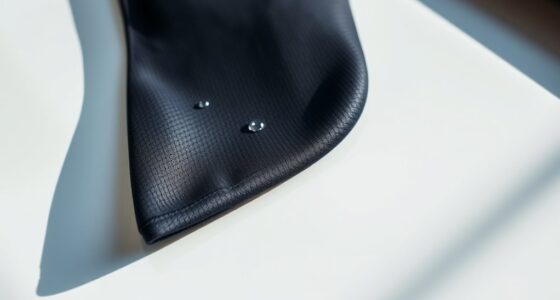
Gymnastics tights have evolved from sparkly, ornamental pieces in the 1980s and 1990s to sleek, high-tech gear today. Early designs focused on bold patterns, metallic fabrics, and embellishments like rhinestones. Now, advanced materials like moisture-wicking, flexible, and smart fabrics support performance and comfort. Modern tights are seamless, form-fitting, and often incorporate crystals for stage sparkle. If you keep exploring, you’ll discover how innovations continue to shape the sport’s style and functionality.
Key Takeaways
- Gymnastics tights evolved from simple, functional designs in the 1930s-40s to vibrant, patterned styles in the 1980s reflecting fashion trends.
- Synthetic fabrics like nylon and spandex introduced in the 1950s-60s significantly increased flexibility, durability, and comfort.
- Modern tights incorporate advanced textiles with moisture-wicking, four-way stretch, and lightweight support for enhanced performance.
- Embellishments such as rhinestones and Swarovski crystals became popular, adding glamour and stage presence to gymnastics uniforms.
- Current innovations include smart textiles and self-healing fabrics that improve durability, adapt to conditions, and support athletes’ movement.

Go Ho 4th of July Star Face Hair Gems,Red White and Blue Patriotic USA Flag Rhinestone Stickers,Self-Adhesive Glitter Crystal Gems,Festival Accessories for Women Kids on Independence Day
【Sparkling Patriotic USA Flag,Star and Round Rhinestone Stickers】Our red white blue face gems come with star, round and...
As an affiliate, we earn on qualifying purchases.
Early Days: The Birth of Gymnastics Tights in the 1930s-1940s

In the 1930s and 1940s, gymnastics apparel shifted from bulky athletic wear to more streamlined and flexible clothing, marking the birth of dedicated gymnastics tights. During this period, leotards replaced heavy shorts and T-shirts, allowing for greater freedom of movement. You’d notice that early leotards featured high necklines, low-cut leg openings, and short sleeves, designed to showcase technical skills and precise form. Judges began evaluating performances based on how well gymnasts revealed their movements through their clothing. Athletes favored simple, functional designs that prioritized flexibility and comfort. While some teams, like Great Britain, still wore loose-fitting rompers, others adopted tighter, more fitted leotards, setting the foundation for modern gymnastics attire. Additionally, the use of high-tech fabrics started to emerge, improving durability and flexibility for athletes. As textile technology advanced, performance-enhancing materials contributed to even better athletic performance and comfort. The development of stretchable fabrics further revolutionized gymnastics apparel, enabling even more dynamic movements. Moreover, the adoption of moisture-wicking textiles helped gymnasts stay dry and comfortable during intense routines.

Fullive 4th of July Earrings, Leather Surface 250 Anniversary USA Merchandise, Hypoallergenic Hook Fourth of July Accessory
Flag Design: These 4th of July earrings for women are made of two teardrop shaped leather pieces, which...
As an affiliate, we earn on qualifying purchases.
Material Breakthroughs: The Impact of Synthetic Fabrics in the 1950s-1960s

The introduction of synthetic fabrics like nylon and spandex in the 1950s and 1960s revolutionized gymnastics apparel by markedly enhancing flexibility, durability, and lightweight comfort. You’ll notice that these fabrics allowed gymnasts to move more freely without restrictions, boosting performance quality. The new materials also made leotards more resistant to wear and tear, extending their lifespan and reducing the need for frequent replacements. Designers began experimenting with vibrant colors and sleek styles, shifting from simple solid tones to more eye-catching designs. This era marked a shift from purely functional attire to one that balanced performance with aesthetic appeal. Additionally, these advancements in fabric technology contributed to the emerging trend of more expressive and personalized gymnastics uniforms. The innovations in synthetic fabrics also facilitated the development of stretchable and form-fitting designs that accommodated complex routines. You can see how these innovations laid the foundation for the more elaborate and flexible gymnastics uniforms we see today.

QINSEN Womens Tennis Dress with Shorts with Pockets Sleveless Polo Neck Workout Dresses Black S
Material: Made from high-quality, stretchable fabric, it provides excellent mobility and support during your active sessions. The dress...
As an affiliate, we earn on qualifying purchases.
Simplistic Designs: The Minimalist Approach of the 1970s-1976
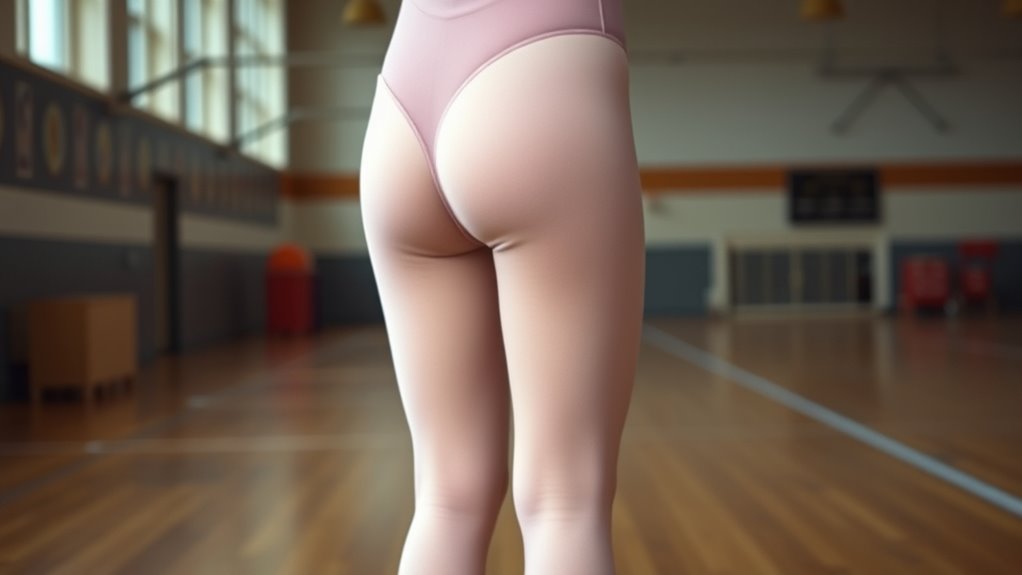
During the 1970s up to 1976, gymnastics leotards adopted a minimalist design philosophy that emphasized simplicity and functionality. You’ll notice the clean lines and lack of excessive decoration, focusing instead on performance. The designs featured basic V-necks, low-cut legs, and subtle accents like thin stripes in Romanian or Soviet colors, avoiding elaborate embellishments. This era drew inspiration from dance and athletic wear trends, prioritizing ease of movement and comfort. The fabrics used were lightweight and stretchy, providing flexibility during routines. By stripping away ornamental details, the emphasis shifted to the gymnast’s form and technical skill. This minimalistic style reflected a practical, no-nonsense approach that set the stage for future innovations in gymnastics apparel. Additionally, the use of high-tech fabrics began to emerge, signaling a move toward more advanced materials in subsequent years. This transition also aligned with broader trends in sportswear evolution, emphasizing performance-enhancing features.

Womens Tennis Dress, 2-in-1 Athletic Dresses with Built-in Bra & Shorts Pockets, Summer Dress Golf Workout Casual Dress with Adjustable Strap A-Black
[STAY COMFORTABLE AND SAFE WITH 2 IN 1 TENNIS DRESS] Our workout dress has built-in shorts and a...
As an affiliate, we earn on qualifying purchases.
Expressive Graphics: The 1980s and the Rise of Bold Patterns
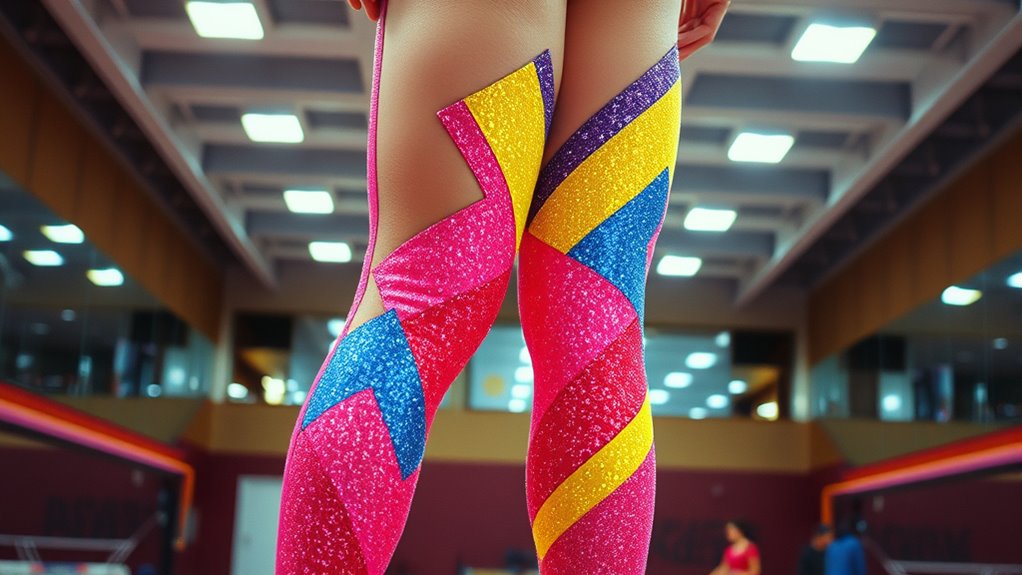
In the 1980s, gymnastics tights exploded with bright colors and bold geometric patterns, reflecting the era’s fashion trends. You’ll notice how these designs moved away from simple styles, embracing a vibrant, eye-catching aesthetic. This shift transformed gymnastics attire into a statement piece that matched the energetic spirit of the decade. The use of bold patterns and colors became a hallmark of the era’s expressive fashion choices, paralleling the rise of expressive graphics in sportswear design. Additionally, innovations in fabric technology during this period contributed to the increased popularity of more dynamic and colorful gymnastics outfits, supporting the integration of high-tech fabrics that enhanced performance and style. These advancements not only improved durability but also allowed for more intricate and vivid designs, further emphasizing the importance of customized athletic wear in creating memorable and functional uniforms.
Bright Colors and Geometric Patterns
Bright colors and geometric patterns took center stage in gymnastics leotards during the 1980s, transforming the sport’s visual identity. You notice how vibrant hues like neon pink, electric blue, and bold yellow became standard, emphasizing energy and confidence. The geometric patterns—triangles, zigzags, and abstract shapes—added a sense of dynamism and modernity. This bold aesthetic also reflected the era’s obsession with fashion trends, making the uniforms not just athletic wear but also a statement of style and personality. Additionally, the use of expressive graphics in athletic apparel helped athletes stand out during competitions and showcases, aligning with the decade’s trend toward bold visual expressions. The incorporation of these striking designs marked a shift toward more creative and personalized athletic fashion, influencing future trends in sportswear design. Moreover, innovations in fabric technology during this period allowed for more vibrant and durable prints, enhancing the overall visual impact.
Influence of 1980s Fashion
The 1980s revolutionized gymnastics leotards by embracing expressive graphics and bold patterns that reflected the decade’s vibrant fashion scene. You’ll notice how bright colors, geometric shapes, and eye-catching designs became the norm, mirroring the energetic style seen in pop culture. This era saw athletes like Mary Lou Retton don leotards featuring stars, stripes, and dynamic patterns that made a statement. The expansion of synthetic fabrics like spandex allowed for tighter, more colorful, and more elaborate designs. As fitness and fashion merged, leotards moved beyond basic functionality to become bold expressions of personality and style. This wave of daring aesthetics marked a significant shift from previous minimalist trends, shaping the modern look of gymnastics attire. Additionally, the use of high-tech fabrics contributed to improved performance, comfort, and durability, further fueling the trend toward innovative and expressive designs.
Embellishments and Textural Trends in the 1990s-2000s
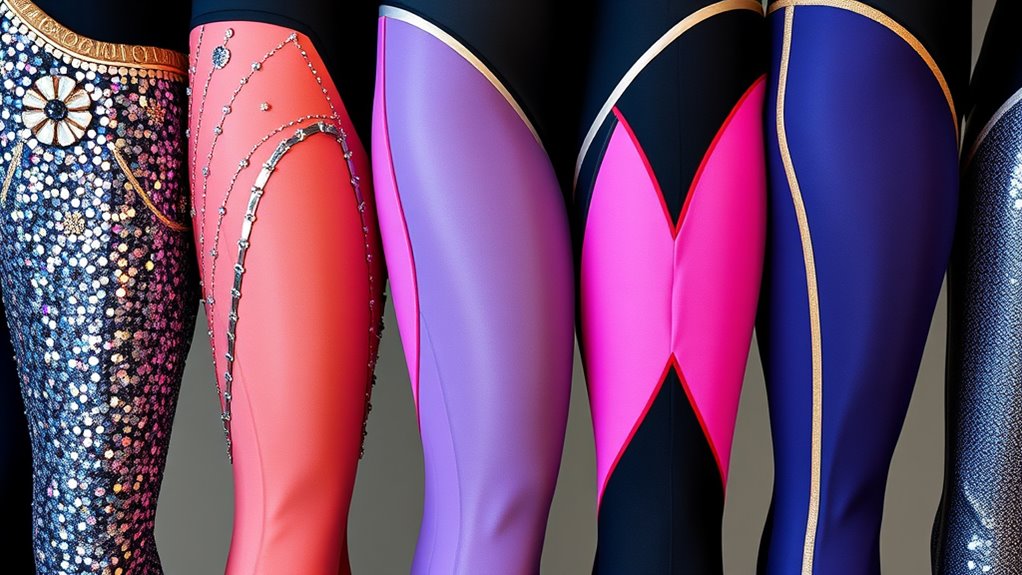
During the 1990s and 2000s, embellishments and textures became central to gymnastics leotard design, transforming athletic wear into striking fashion statements. You notice crushed velvet and bold color blocking replacing previous patterns, giving leotards a luxurious and edgy look. Rhinestones and metallic fabrics pop up mid-to-late 1990s, adding sparkle and glamour that catch the light during routines. Experimental silhouettes emerge, with high collars, keyhole cutouts, and side panels creating dynamic visual interest. Matching scrunchies become an iconic accessory, reinforcing the era’s signature style. Additionally, the use of high-tech fabrics enhances performance while maintaining fashionable appeal. These fabrics often incorporate moisture-wicking technology, improving athlete comfort during routines. Here’s what you should remember:
- Velvet and metallic textures elevate aesthetic appeal.
- Embellishments like rhinestones enhance performance glamour.
- Silhouettes experiment with cutouts and high collars.
- Accessories like scrunchies become defining style elements.
The Velvet Era: Luxurious Fabrics and Color Blocking
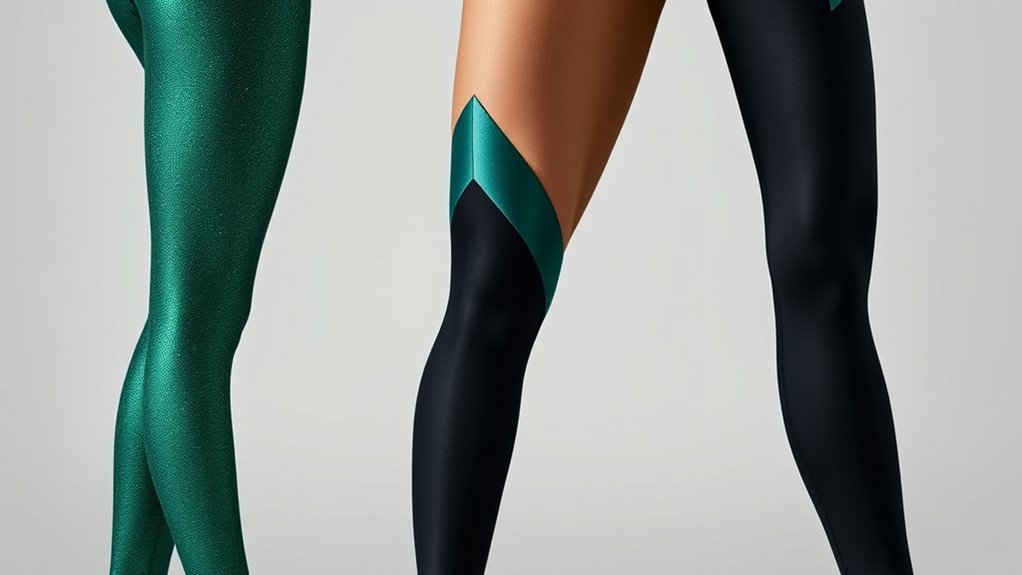
As gymnastics fashion evolved in the 1990s and early 2000s, velvet fabrics and bold color blocking took center stage, transforming leotards into luxurious statement pieces. Velvet’s rich texture added a sense of opulence, making the uniforms stand out on the competition floor. Bright, contrasting blocks of color created eye-catching designs that emphasized athleticism and style simultaneously. You’d notice that these leotards featured large color panels, often paired with metallic accents or rhinestones for extra flair. The focus shifted from simple athletic wear to garments that showcased personality and glamour. This era celebrated both comfort and extravagance, turning gymnastics costumes into fashion statements. Velvet and color blocking became symbols of confidence, reflecting the sport’s growing emphasis on presentation and visual impact.
The Dawn of High-Performance Tech: Advancements in Fabric Technology

Advancements in fabric technology have revolutionized gymnastics leotards, enabling athletes to perform at higher levels with greater ease. You now benefit from materials that combine flexibility, durability, and comfort in ways never before possible. These high-performance fabrics include innovations like moisture-wicking fibers, four-way stretch, and lightweight yet supportive structures.
Fabric innovations boost flexibility, durability, and comfort for superior gymnastics performance.
Here’s what these advancements mean for you:
- Enhanced Range of Motion – fabrics stretch seamlessly, allowing unrestricted movement.
- Better Moisture Management – sweat is quickly dispersed, keeping you dry.
- Improved Durability – garments resist tears and wear, extending lifespan.
- Lightweight Support – fabrics provide compression without adding bulk, helping you perform with confidence.
These tech-driven fabrics elevate your performance and comfort, setting new standards in gymnastics attire.
Modern Aesthetics: The Shift Towards Sleek, Form-Fitting Tights
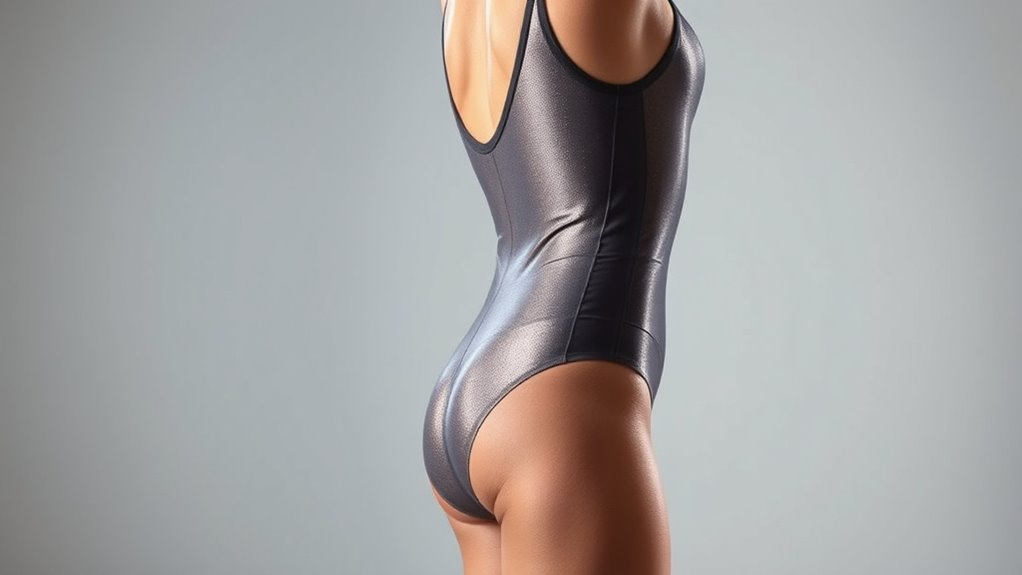
You notice how modern gymnastics tights now hug your body tightly, creating a sleek silhouette that emphasizes your form. Advanced fabrics like high-stretch synthetic blends give you the freedom to move effortlessly without restriction. This shift toward streamlined designs highlights both style and performance, making your movements look flawless.
Streamlined Silhouette Trends
Modern gymnastics tights have evolved to prioritize sleek, form-fitting designs that enhance both performance and aesthetics. You’ll notice a focus on creating a streamlined silhouette that emphasizes your movements and elongates your limbs. This trend reflects a shift toward minimalism and precision in athletic wear.
- Enhanced Flexibility: Tights hug your body, allowing unrestricted movement without excess fabric getting in the way.
- Visual Illusion: The close fit creates a longer, leaner appearance, boosting confidence during routines.
- Material Innovation: Advanced fabrics offer compression and support, shaping your physique while maintaining comfort.
- Modern Aesthetics: Clean lines and seamless designs contribute to a polished, professional look that’s both functional and stylish.
This evolution underscores a move toward garments that blend form and function seamlessly, empowering you to perform at your best.
Advanced Fabric Technologies
Recent innovations in fabric technology have revolutionized gymnastics tights, allowing them to become more sleek and form-fitting than ever before. Modern synthetic materials like advanced spandex blends and high-performance fibers provide unmatched elasticity, durability, and breathability. These fabrics stretch seamlessly with your movements, ensuring a snug fit that stays in place during complex routines. They’re lightweight, reducing fatigue and enhancing comfort, while moisture-wicking properties keep you dry and focused. The development of seamless construction techniques minimizes chafing and discomfort, giving you a smooth, sleek appearance. Plus, the integration of UV protection and antimicrobial finishes adds functional benefits without sacrificing flexibility or style. These technological advances empower you to perform with confidence, knowing your tights support both your aesthetics and athletic performance.
Enhanced Movement Freedom
Advancements in fabric technology have made gymnastics tights more sleek and form-fitting, directly enhancing movement freedom. These modern fabrics stretch effortlessly, allowing you to perform complex routines without restriction. The tight fit provides better proprioception, so you can feel your body’s position more accurately. Additionally, high-tech materials wick away sweat, keeping you dry and focused.
Here’s what these innovations mean for you:
- Increased flexibility for dynamic movements
- Reduced resistance, enabling faster progressions
- Improved comfort during intense routines
- Enhanced confidence through a sleek, streamlined appearance
Crystal Embellishments: Bling and Sparkle in Contemporary Gymnastics Wear
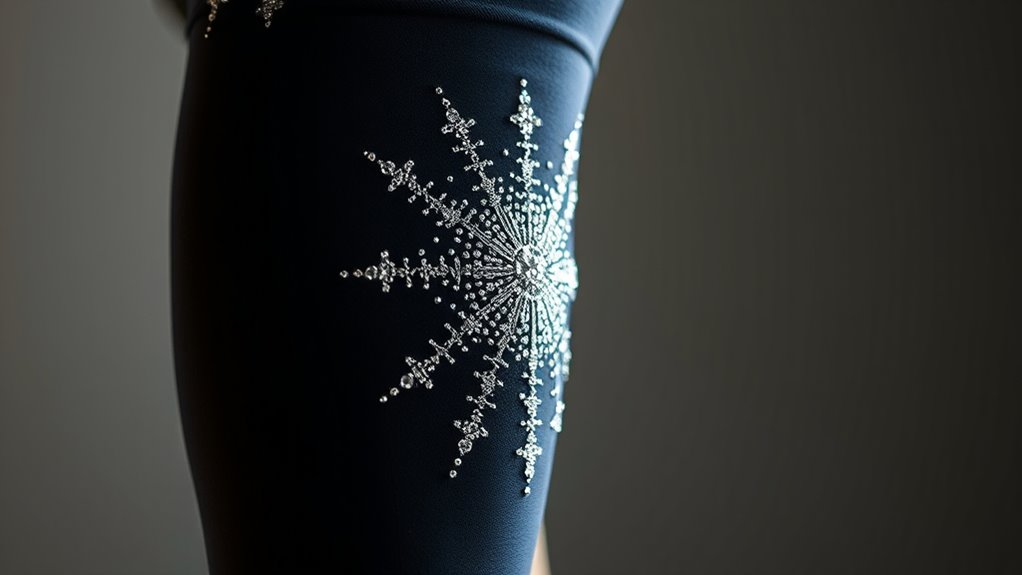
Crystal embellishments have become the signature feature that transforms gymnastic leotards from functional apparel into dazzling stage-ready costumes. They add a striking sparkle that captures the audience’s attention and highlights your movements. These embellishments, often rhinestones and Swarovski crystals, reflect light brilliantly, creating an illusion of energy and elegance. Their placement emphasizes your form and adds a layer of glamour to performances.
| Effect | Purpose |
|---|---|
| Visual Impact | Enhances stage presence and allure |
| Movement Highlight | Draws attention to technical skills |
| Personal Expression | Showcases individual style |
| Performance Confidence | Boosts athlete confidence on stage |
Future Innovations: High-Tech Fabrics and Smart Materials
As technology continues to evolve, high-tech fabrics and smart materials are poised to revolutionize gymnastics apparel, offering athletes unprecedented levels of performance and comfort. These innovations will provide better moisture management, enhanced flexibility, and improved durability, helping you perform at your best. Here are four key developments to watch for:
High-tech fabrics will transform gymnastics gear with better moisture control and flexibility.
- Adaptive Fabrics – Materials that adjust to temperature and sweat levels, keeping you comfortable throughout routines.
- Embedded Sensors – Wearables integrated into tights to monitor movement, technique, and even muscle fatigue in real-time.
- Self-Healing Textiles – Fabrics capable of repairing minor tears or abrasions, extending the lifespan of your gear.
- Lightweight, Breathable Composites – Fabrics that reduce weight without sacrificing strength, allowing for freer movement and quicker recovery.
Frequently Asked Questions
How Have Gymnastics Tights Influenced Athlete Performance and Injury Prevention?
Gymnastics tights improve your performance by providing a snug fit that enhances movement and flexibility, letting you execute complex routines smoothly. They also help prevent injuries by offering compression and support, reducing muscle fatigue and strain. Modern tights use high-tech materials that wick away sweat, keep your muscles warm, and minimize chafing, ensuring you stay comfortable and focused during your routines.
What Environmental Impacts Have Synthetic Fabrics Had on Gymnastics Costume Production?
You might think synthetic fabrics are just convenient, but they’ve considerably impacted the environment. These materials, like nylon and spandex, are derived from non-renewable resources, contributing to pollution and landfill waste. Manufacturing processes release greenhouse gases, and the non-biodegradable nature of these fabrics means they linger for decades. As a gymnast or enthusiast, you can advocate for sustainable options, encouraging brands to develop eco-friendly fabrics that balance performance with environmental responsibility.
How Do Cultural Trends Influence the Design and Color Choices of Gymnastic Tights?
Cultural trends heavily influence your choice of gymnastic tights, reflecting current fashion, societal values, and popular styles. You notice bold colors, graphic patterns, and embellishments like rhinestones, which mirror the vibrant, expressive trends of each era. As fashion shifts toward minimalism or extravagance, your tights adapt accordingly—either sleek and simple or eye-catching and ornate—showcasing your personality and aligning with contemporary cultural aesthetics.
Are There Any Notable Differences in Tights Used for Male Versus Female Gymnasts?
You’ll notice that male and female gymnasts wear different tights, mainly in style and coverage. Females typically opt for full-body leotards or unitards, often with vibrant designs and embellishments, emphasizing aesthetics. Males usually wear form-fitting shorts or briefs paired with a tank or long-sleeve top, prioritizing freedom of movement. The differences reflect gender-specific aesthetics, performance needs, and cultural expectations in gymnastics attire.
What Are the Current Challenges in Developing Sustainable, High-Tech Gymnastics Fabrics?
You face challenges in developing sustainable, high-tech gymnastics fabrics because they require advanced synthetic materials that often aren’t eco-friendly. Balancing durability, elasticity, and breathability while reducing environmental impact is tough. You also need to guarantee these fabrics meet athletes’ performance needs and safety standards. Innovations like biodegradable fibers or recycled materials are promising, but scaling them cost-effectively remains a major hurdle in creating truly sustainable, high-performance fabrics.
Conclusion
As you follow the graceful evolution of gymnastics tights, it’s clear that comfort and innovation weave together seamlessly. From glittering embellishments to sleek, high-tech fabrics, each era subtly guides you toward a future where performance meets elegance. Embrace these gentle transformations, knowing that tomorrow’s designs will softly blend cutting-edge materials with artistic expression. In this ongoing journey, your attire quietly evolves, supporting your every move with quiet sophistication and innovative spirit.