To stay cool during summer workouts in tights, choose lightweight, moisture-wicking fabrics with mesh panels for ventilation, and wear cooling accessories like wet towels. Plan your sessions early or late in the day when it’s cooler, stay well-hydrated, and avoid heavy meals before exercising. Be attentive to your body’s signals, recognize signs of heat exhaustion, and adjust your effort accordingly. Keep exploring for more tips to enhance your heat management strategies effectively.
Key Takeaways
- Choose lightweight, breathable tights with mesh panels or ventilation zones to enhance airflow and reduce heat buildup.
- Train during cooler times of day, such as early morning or late evening, and avoid peak sun hours.
- Stay well-hydrated with water and electrolyte drinks before, during, and after workouts to support cooling and prevent dehydration.
- Wear cooling accessories like wet towels or neck bands to help lower core temperature during breaks.
- Monitor your body for signs of heat exhaustion and adjust intensity or take breaks as needed to stay safe.
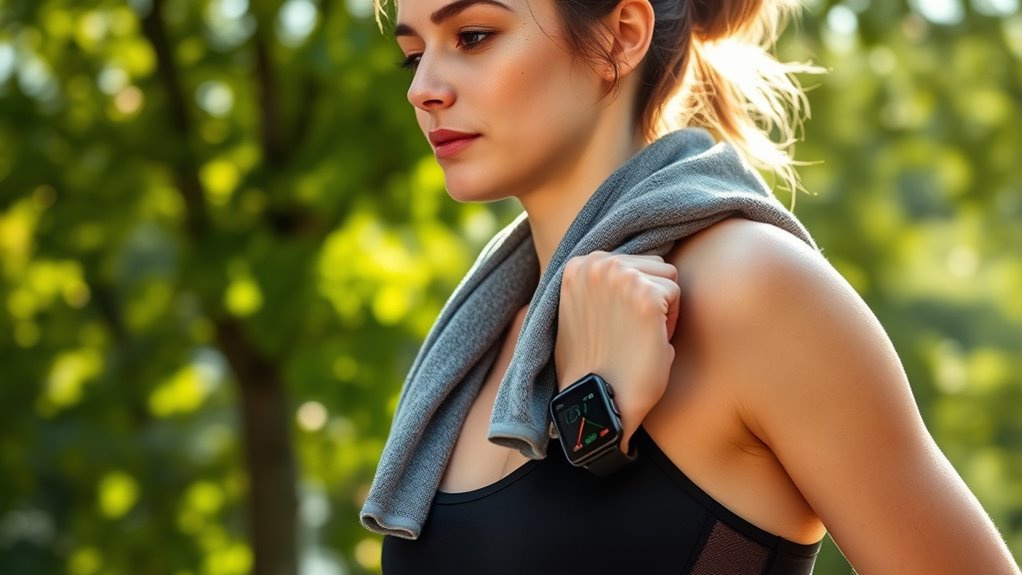
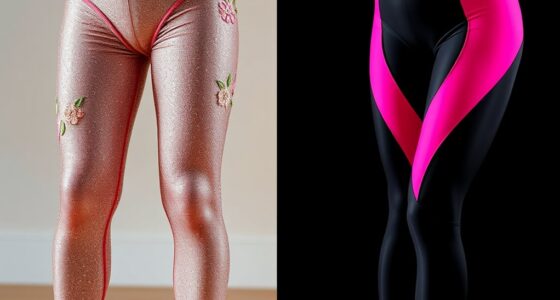
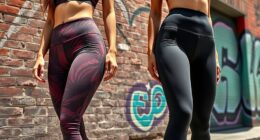
Training in tights during the summer can be challenging, but with the right heat management strategies, you can stay comfortable and perform at your best. The key is to focus on ways to keep your body cool and prevent overheating, even when the temperatures soar. First, choose lightweight, moisture-wicking fabrics designed specifically for hot weather. These materials draw sweat away from your skin, helping you stay dry and cool longer. Avoid thick or non-breathable tights, as they trap heat and increase your risk of overheating. Instead, opt for tights with mesh panels or ventilation zones that promote airflow and let heat escape.
Choose lightweight, moisture-wicking tights with ventilation to stay cool in summer workouts
Timing your workouts is equally important. Try to train early in the morning or later in the evening when temperatures are lower. During peak heat hours, usually between 10 a.m. and 4 p.m., the sun’s intensity is at its highest, making it harder for your body to regulate temperature. If you must exercise during midday, take frequent breaks in shaded areas and reduce your intensity or duration to prevent overheating. Keep an eye on the weather forecast and plan your sessions around cooler days or cooler parts of the day.
Hydration plays a vital role in heat management. Before you start, drink plenty of water to guarantee you’re well-hydrated. During your workout, sip water regularly—don’t wait until you’re thirsty, as thirst is a late indicator of dehydration. Consider incorporating electrolyte drinks if you’re training intensely or for extended periods, as they help replenish lost salts and minerals, maintaining your body’s cooling mechanisms. After your session, continue hydrating to replace fluids lost through sweat, which aids recovery and prevents heat-related illnesses.
Another effective strategy is to wear a cooling accessory, such as a lightweight towel or a cooling band around your neck, to help reduce your core temperature. Wetting these accessories with cold water can provide instant relief, especially during breaks. Additionally, avoid heavy carbohydrate or protein-rich meals before training, as digestion generates heat and can make you feel hotter. Instead, opt for light, easily digestible snacks that won’t add to your internal heat load.
Being aware of proper clothing choices and how they impact heat retention is crucial for summer training. Lastly, listen to your body. Pay attention to signs of heat exhaustion, such as dizziness, nausea, or excessive sweating. If you start feeling unwell, stop exercising immediately, find a cool place, and hydrate. By combining proper clothing choices, strategic timing, hydration, and body awareness, you can make summer tights training more comfortable and safe. With these measures in place, you’ll be able to maintain your training routine without sacrificing comfort or health, even when the temperatures climb.
Frequently Asked Questions
Can Wearing Tights Improve Sweat Evaporation During Summer Training?
Wearing tights can improve sweat evaporation during summer training if they are made from moisture-wicking fabrics. These materials pull sweat away from your skin, allowing it to evaporate more quickly and keep you cooler. However, tight or non-breathable tights may trap heat and moisture, increasing discomfort and risk of overheating. Choose lightweight, breathable tights designed for exercise to optimize sweat evaporation and stay comfortable during summer workouts.
Are There Specific Fabric Technologies Best for Heat Regulation?
Look for fabrics with moisture-wicking magic, like polyester or nylon blends, which pull perspiration away from your skin. Technologies like Dri-FIT, Coolmax, or Tencel excel at enhancing evaporation and keeping you cool. These fabrics are designed to breathe, banish heat build-up, and boost comfort. By choosing these tech-touted textiles, you stay dry, cool, and confident, even when summer sizzles and your workout heats up.
How Often Should I Replace Worn-Out Training Tights for Optimal Cooling?
You should replace your worn-out training tights every 3 to 6 months, depending on how often you wear and wash them. Look for signs of wear like thinning fabric, holes, or loss of elasticity, which can reduce their cooling effectiveness. Regularly inspecting your tights guarantees you stay comfortable and maintain ideal heat regulation. Investing in high-quality, durable tights can also extend their lifespan and keep you cool during summer workouts.
Do Different Colors of Tights Affect Heat Absorption and Cooling?
Yes, different colors of tights can affect heat absorption and cooling. Darker colors like black absorb more heat, making you warmer during summer workouts, while lighter colors like white reflect sunlight and stay cooler. Choosing lighter shades helps keep you comfortable and prevents overheating. Opt for light-colored tights on hot days, and save darker shades for cooler conditions to manage your body temperature effectively during summer training.
Can Compression Tights Help Prevent Heat-Related Injuries?
Ever wondered if compression tights can prevent heat-related injuries? They can help by improving blood flow and supporting muscles, which reduces fatigue and the risk of injury. But do they also keep you cool enough during intense summer training? Yes, if you choose moisture-wicking, breathable fabrics. Wearing the right compression tights can be a smart move to stay safe and perform your best in hot conditions.
Conclusion
Staying cool during summer training in tights is essential, especially since studies show your body can overheat 1.5 times faster in insulating clothing. By choosing lightweight, moisture-wicking fabrics and staying hydrated, you can improve performance and prevent heat-related issues. Remember, listening to your body is key. With proper heat management, you’ll not only survive the summer workouts but thrive through them—keeping your training effective and safe all season long.