

Closed-loop nylon recycling takes your used hosiery and industrial waste and transforms it into new fibers through advanced chemical processes. This method breaks down nylon into its basic building blocks, which are then spun into fresh fibers for manufacturing new hosiery. It’s a sustainable cycle that reduces the need for virgin resources, lowers environmental impact, and produces high-quality fibers that perform just like new. To discover more about how this innovative process works, keep exploring.
Key Takeaways
- Collected used nylon products are chemically processed into raw feedstock for fiber production.
- The raw nylon is spun into new fibers, creating hosiery identical to virgin nylon.
- The recycling process is continuous, reducing reliance on virgin resources and lowering environmental impact.
- Recycled nylon maintains high durability and performance standards, ensuring quality hosiery.
- This closed-loop system conserves resources, reduces waste, and supports sustainable manufacturing practices.

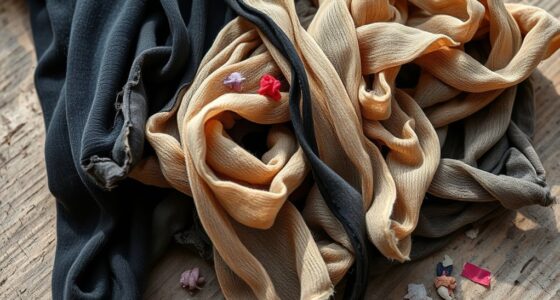
Have you ever wondered how sustainability can improve manufacturing? When it comes to hosiery, closed-loop nylon represents a groundbreaking approach that not only reduces waste but also conserves resources. This innovative process begins with collecting used nylon products, such as old stockings or industrial waste, which are then carefully sorted and prepared for recycling. Instead of ending up in landfills, these materials are transformed into raw nylon feedstock through advanced chemical recycling techniques. The process breaks down the worn-out nylon into its basic building blocks, allowing manufacturers to create new nylon fibers that are virtually identical to virgin material. This means you get high-quality hosiery without the environmental cost associated with traditional nylon production.
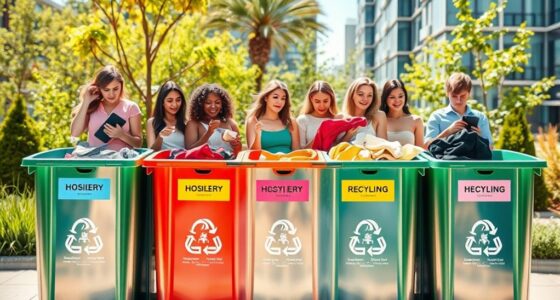
The beauty of closed-loop nylon lies in its ability to continuously recycle. Once the used hosiery is processed into new raw material, it’s spun into fibers and woven into fresh hosiery products. This cycle can repeat multiple times, considerably reducing the demand for petroleum-based resources and decreasing carbon emissions. As a consumer, you might not see the entire journey, but knowing that your old stockings can be reborn as new ones adds a layer of sustainability that benefits everyone. It’s a smart way to close the loop, ensuring that valuable resources stay in circulation and waste is minimized.
Recycling nylon in this way also encourages manufacturers to rethink their supply chains and production methods. Instead of relying solely on virgin materials, companies incorporate recycled nylon, which often costs less and has a smaller environmental footprint. This shift not only helps meet increasing consumer demand for eco-friendly products but also aligns with global efforts to combat climate change. The process itself is designed to be efficient and clean, with minimal emissions and waste. Plus, because the recycled nylon maintains the same durability and performance standards as virgin nylon, you can enjoy long-lasting hosiery that’s good for the planet.
Furthermore, innovations in advanced manufacturing techniques are improving the durability and performance of recycled nylon, making it an even more attractive option for sustainable hosiery.

L'eggs Bare Contour Lustre Gloss Tights for Women with Contour Panty | High-Cut Panty, Tummy Control & Smoothing, Sheer Shiny Stockings, Subtle Shimmer Finish | XLarge, Medium Nude
BARE CONTOUR: Our Contour technology is made to fit you & enhance your silhouette, with a distinct front…
As an affiliate, we earn on qualifying purchases.
As an affiliate, we earn on qualifying purchases.
Frequently Asked Questions
How Long Does It Take to Recycle Nylon Into New Hosiery?
Recycling nylon into new hosiery typically takes a few days to a week, depending on the process and facilities involved. You might notice the steps include collection, cleaning, melting, and reforming the material. Once the recycled nylon is ready, manufacturers spin it into fibers for hosiery production. Your effort in recycling helps reduce waste and conserves resources, making the process quicker and more sustainable over time.
What Environmental Benefits Does Closed-Loop Nylon Recycling Offer?
You’ll find that closed-loop nylon recycling brings big benefits, like reducing resource use and cutting carbon emissions. This process prevents waste from piling up in landfills, helping your environment stay cleaner and healthier. By recycling nylon into new hosiery, you support sustainability, reduce reliance on virgin materials, and promote a greener globe. It’s a smart, simple switch that makes a significant, sustainable statement for your conscience and the planet.
Can Recycled Nylon Be Used for Other Textile Products Besides Hosiery?
Yes, recycled nylon can be used for other textile products beyond hosiery. You can find it in outdoor gear, carpets, backpacks, and fashion apparel. Recycled nylon retains its strength and durability, making it versatile for various applications. By choosing products made from recycled nylon, you help reduce waste and conserve resources, contributing positively to environmental sustainability. Your support encourages brands to adopt eco-friendly materials across different industries.
Are There Any Quality Differences Between Virgin and Recycled Nylon?
You might notice some differences between virgin and recycled nylon, but generally, recycled nylon is just as durable and high-quality. Manufacturers often process recycled nylon to meet strict standards, ensuring it retains the strength and flexibility needed for hosiery. While there can be minor variations depending on the recycling process, modern techniques help maintain the same performance, so your recycled nylon products should last as long and perform just as well as virgin nylon ones.
How Can Consumers Identify Products Made From Recycled Nylon?
You can identify products made from recycled nylon by checking the labels or packaging for eco-friendly certifications like GRS (Global Recycled Standard). Brands often highlight their sustainability efforts, so look for phrases like “made from recycled materials” or “sustainably sourced.” Additionally, visit the company’s website for transparency about their sourcing. If still unsure, contact customer service to confirm whether the product contains recycled nylon.

ARMOROSE Built-To-Last Tights for Women, Rip Resistant Tummy Control Top Pantyhose 40D Semi Sheer High Waist Stockings
ARMOROSE For You! We're here to free you from the pantyhose struggle. Our purpose is to empower you…
As an affiliate, we earn on qualifying purchases.
As an affiliate, we earn on qualifying purchases.
Conclusion
By choosing closed-loop nylon, you’re helping to close the gap between sustainability and fashion. Recycling hosiery not only reduces waste but also conserves resources and energy. Remember, a chain is only as strong as its weakest link—so by supporting recycled materials, you contribute to a more resilient planet. Every small step counts, and your choices can make a big difference in creating a greener future for all.

L'eggs Women's Everyday Luxe Jersey Roll Top Crew Socks | Soft, Breathable, Lightweight |Sustainable Yarns, Stretchy Fit, No-Bind Band| Black, One Size (3-Pack)
EVERYDAY LUXE: Elevate your daily essentials with soft & comfortable socks that blend everyday functionality with a luxurious…
As an affiliate, we earn on qualifying purchases.
As an affiliate, we earn on qualifying purchases.
closed-loop nylon tights
As an affiliate, we earn on qualifying purchases.
As an affiliate, we earn on qualifying purchases.



![A Better Way To Tie Your Gym Shorts. (Or Any Drawstring) [Video]](https://tightstrend.com/wp-content/uploads/2026/07/a-better-way-to-tie-your-gym-shorts-or-any-drawstring-video-featured-260x140.jpg)