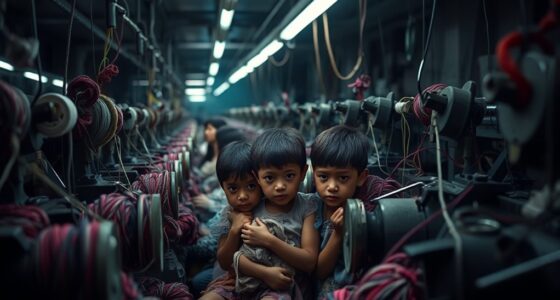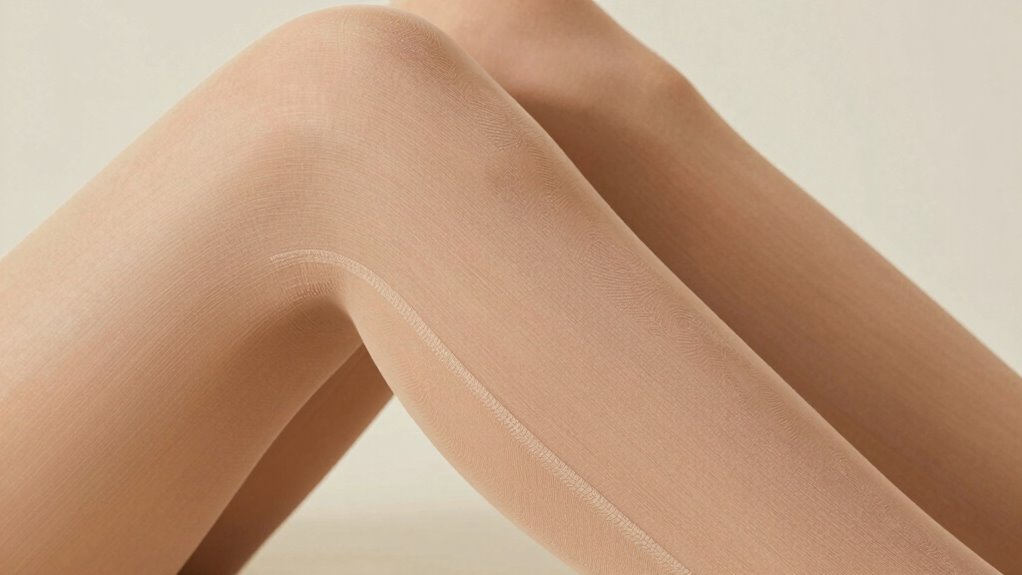

When choosing sustainable tights, you often face a trade-off between delicacy and durability. Soft, eco-friendly fibers like recycled nylon offer comfort but may be less durable, requiring more frequent replacements. Stronger fibers improve longevity but can be less gentle and environmentally friendly. Manufacturing also plays a role—fewer chemical treatments and eco-conscious processes help balance these aspects. To discover how to make the best sustainable choice, keep exploring the factors that influence tights’ lifecycle and impact.
Key Takeaways
- Delicate tights often require finer fibers and chemical treatments, increasing environmental impact despite their softness.
- Durable tights use stronger fibers and tighter knitting, potentially reducing waste but possibly relying on less biodegradable synthetics.
- Sustainability involves balancing manufacturing resource use and chemical processes against the product’s lifespan and end-of-life options.
- Biodegradable materials enhance environmental benefits but may compromise durability and delicate feel.
- Choosing transparent, eco-conscious brands ensures a better balance between softness, longevity, and environmental impact.
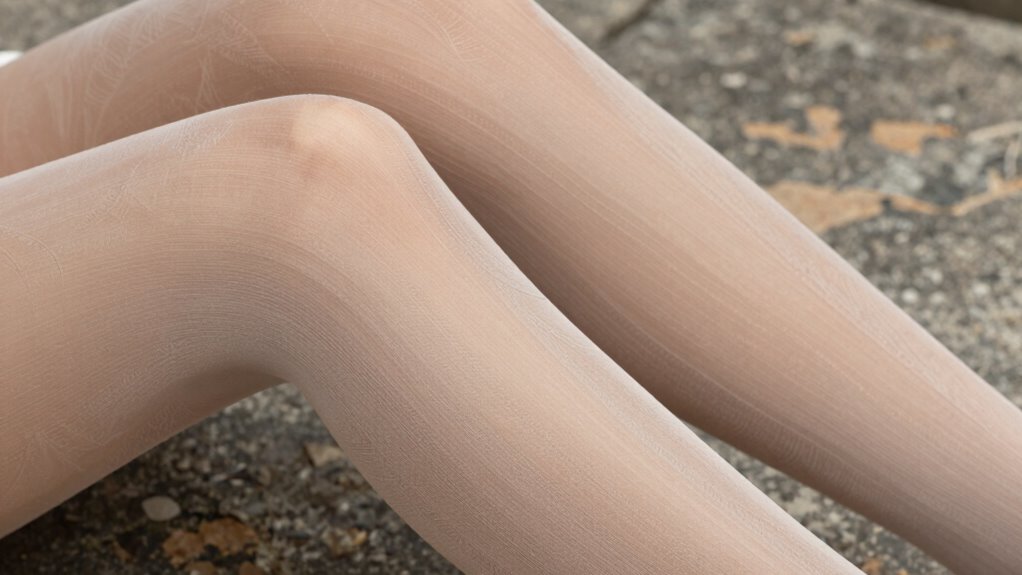
As the demand for eco-friendly fashion grows, many consumers find themselves caught between choosing delicate, sustainable tights and more durable alternatives. You want to make environmentally conscious choices, but it’s not always clear which options truly minimize environmental impact. The key lies in understanding how manufacturing processes influence the sustainability of tights, especially when balancing delicacy with durability. Sustainable tights are often made from eco-friendly fibers like recycled nylon or plant-based materials, which help reduce waste and lessen the environmental footprint. However, the way these fibers are processed plays an essential role. Some manufacturing methods involve intensive chemical treatments or high energy consumption, which can offset the environmental benefits of the materials themselves. When you’re selecting tights, it’s vital to consider the entire lifecycle—production, use, and disposal—to truly gauge their sustainability.
Delicate tights tend to require finer, more intricate manufacturing processes to guarantee softness and a smooth finish. These processes often involve delicate fibers or multiple finishing steps, which may increase resource use or chemical treatments. While they might appear more refined and comfortable, they may also have a higher environmental impact during production if not made with eco-conscious practices. Conversely, more durable tights are designed to withstand wear and tear, often through tighter knitting or stronger fibers. These manufacturing processes can sometimes involve fewer steps or less chemical treatment, especially if the focus is on creating long-lasting garments. As a result, durable tights can sometimes be more environmentally friendly over their lifespan because they don’t need to be replaced as often. Additionally, understanding the manufacturing methods involved can help consumers identify options that align with their sustainability goals.
Furthermore, the biodegradability of tights plays a vital role in their overall environmental impact, especially after disposal. However, durability isn’t always synonymous with sustainability. Some very sturdy tights may use synthetic fibers with a higher environmental cost during production, or they may be less biodegradable, contributing to long-term waste. You need to weigh how the manufacturing choices impact the environment—considering factors like resource use, energy consumption, and chemical treatments—against the lifespan of the tights. Ultimately, finding the right balance requires researching brands that prioritize transparent manufacturing processes and eco-friendly materials. By choosing tights that are produced with sustainability in mind, you can enjoy the benefits of durable wear while minimizing your environmental footprint. Remember, the trade-off between delicacy and durability isn’t just about how long your tights last but also about how they’re made and what happens to them after disposal. Making informed choices means considering the full environmental impact of your fashion choices, from production processes to end-of-life. Additionally, opting for tights made through eco-conscious manufacturing methods can further reduce your overall environmental impact.

Biodegradable Dental Floss Picks 100 Count 2 Packs | Eco-Friendly Bamboo Like Straw Wheat Sustainable Mint Flavored Flossers for Kids and Adult Teeth Cleaning for the Enviromentally Conscious
100% Biodegradable- Floss PIcks made of straw wheat and packaging is 100% recyclable paper
As an affiliate, we earn on qualifying purchases.
As an affiliate, we earn on qualifying purchases.
Frequently Asked Questions
Are Sustainable Tights More Expensive Than Traditional Options?
Yes, sustainable tights tend to be more expensive than traditional options. You might notice higher prices due to pricing transparency and the use of eco-friendly materials. As a conscious consumer, you’re aware that investing in sustainable tights supports ethical production and environmental health. While they cost more upfront, their durability and eco benefits can make them a worthwhile choice, aligning with your values and increasing long-term value.
How Do Sustainable Tights Impact Environmental Conservation Efforts?
Imagine your tights as tiny ambassadors for Earth—by choosing eco-friendly fibers, you directly support conservation efforts. Sustainable tights reduce waste and lower environmental impact, making a real difference. Studies show their production conserves water and minimizes pollution. When you wear them, you’re not just dressing stylishly; you’re actively contributing to environmental preservation, helping protect ecosystems for future generations. Your choices truly matter in conservation impact.
Can Sustainable Tights Be Recycled After Use?
Yes, sustainable tights can be recycled, but recycling challenges exist due to material recovery issues. Many tights are made from blended fibers, making it difficult to separate and recycle the materials effectively. You should check if your local recycling programs accept textile waste or specific recycling facilities that handle tights. Proper disposal helps reduce waste and supports the environmental benefits of sustainable fashion.
What Brands Are Leading in Sustainable Tights Innovation?
You’ll be amazed by brands leading sustainable tights innovation, transforming your wardrobe! These trailblazers use innovative fibers that are practically magic, blending eco-friendliness with incredible softness and strength. They prioritize ethical manufacturing, ensuring every pair supports fair labor and eco-conscious practices. Companies like Patagonia and Thought are revolutionizing the scene, proving that sustainable tights can be both delicate and durable, making your style choices a powerful statement for the planet.
How Do Sustainable Tights Compare in Comfort to Conventional Tights?
Sustainable tights often match or even surpass conventional tights in comfort. You’ll notice better fabric breathability, which helps keep your skin dry and comfortable all day. Plus, they tend to retain elasticity longer, so they fit snugly without losing shape. While some might feel a bit softer initially, sustainable options are designed to be durable and comfortable, making them a smart choice for everyday wear.
recycled nylon tights
As an affiliate, we earn on qualifying purchases.
As an affiliate, we earn on qualifying purchases.
Conclusion
When choosing sustainable tights, you face the delicate balance between softness and strength. Do you prioritize lasting durability or the gentle touch against your skin? Remember, understanding the trade-offs helps you make smarter, eco-friendly choices. Ultimately, it’s about finding the right compromise that aligns with your values and needs. So, next time you shop, ask yourself: can you have both in your tights, or will you settle for one? The choice is yours.
biodegradable tights for women
As an affiliate, we earn on qualifying purchases.
As an affiliate, we earn on qualifying purchases.
durable eco tights
As an affiliate, we earn on qualifying purchases.
As an affiliate, we earn on qualifying purchases.