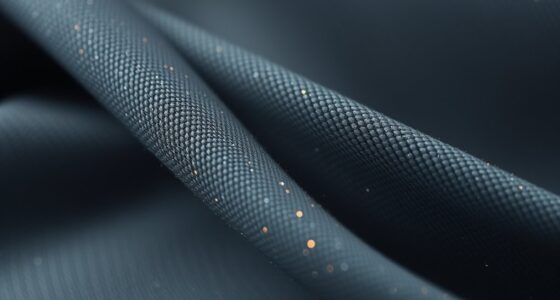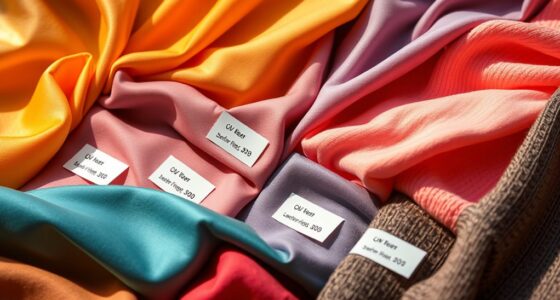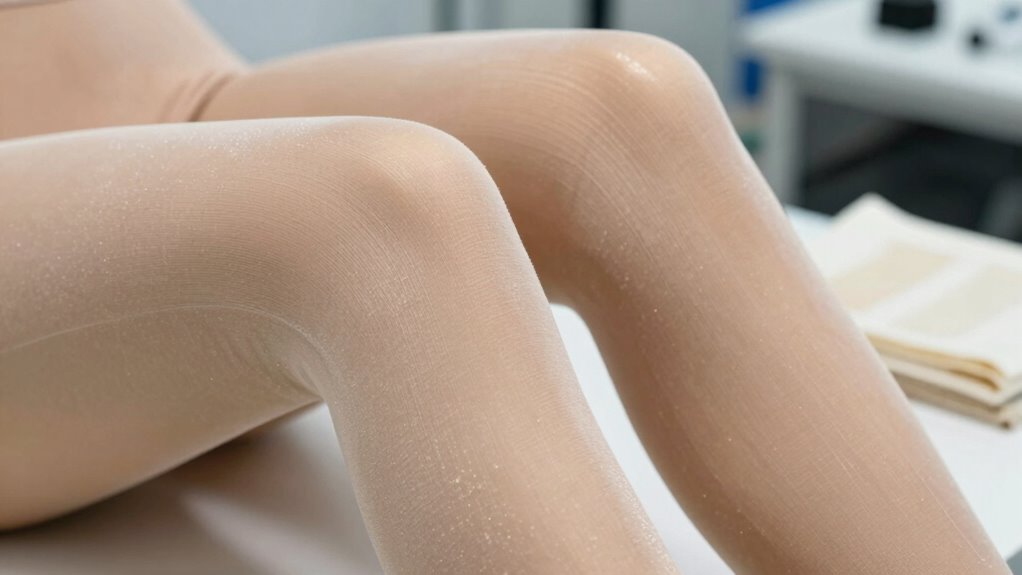
The softness of tights depends mostly on the fiber elasticity, fabric weave, and construction techniques. When fibers like Lycra or elastane are used, they stretch and bounce back, giving a smoother, more comfortable feel. The weave’s tightness also matters—fine weaves produce silkier feelings, while coarser ones can feel rougher. Good construction guarantees durability and minimizes static. Want to uncover more about what makes some tights feel irresistibly soft? Keep exploring.
Key Takeaways
- High elasticity fibers like Lycra or elastane offer better stretch and softness, enhancing the tights’ feel against skin.
- Fine, tight weaves create smoother, more luxurious textures compared to looser, rougher weaves.
- Proper fabric construction improves breathability, stretchability, and overall comfort, influencing the softness perception.
- Blended fibers balance durability and softness, with higher elastane content contributing to a silkier feel.
- Advanced weaving techniques and fiber technology optimize fabric smoothness and reduce static, making tights feel softer.
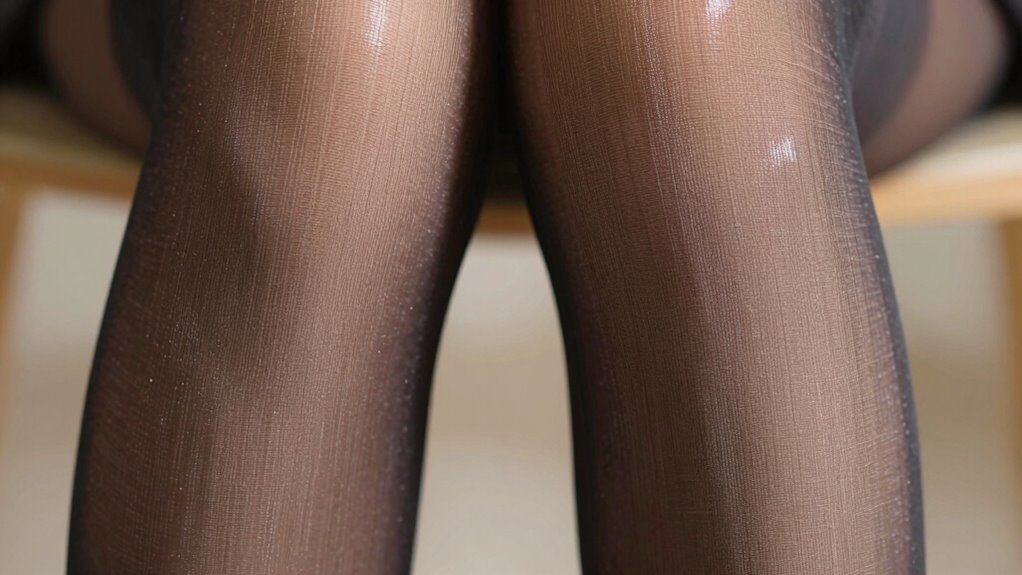
Have you ever noticed that some tights feel incredibly soft against your skin, while others seem rough or stiff? The difference often comes down to the hidden science behind their materials and construction. Two key factors that influence the texture and feel of tights are fiber elasticity and fabric weave. Understanding these elements helps you choose tights that are not only comfortable but also durable and well-made.
Fiber elasticity refers to how well the fibers in the fabric stretch and return to their original shape. When fibers have high elasticity, they adapt smoothly to your movements, providing a snug but comfortable fit. These fibers tend to feel softer because they offer better flexibility and reduce tension on your skin. Natural fibers like Lycra or elastane are common in tights because they enhance elasticity, allowing the fabric to stretch without losing its shape. This elasticity also minimizes bunching or sagging, making the tights feel more seamless and gentle against your skin. Additionally, high elasticity can contribute to a more long-lasting fit, ensuring the tights remain comfortable over time. Properly manufactured fibers with optimized elastic properties help maintain comfort and shape retention even after multiple wears and washes. Moreover, advancements in fiber technology have led to the development of stretchable fabrics that further improve comfort and durability.
Fabric weave plays an essential role in the overall softness and structure of tights. The way the fibers are woven together determines the fabric’s texture, breathability, and stretchability. A tight, fine weave usually results in a smoother and softer surface. Conversely, a looser weave might feel rougher or more textured. The choice of weave affects how the fabric drapes and how comfortable it feels during wear. For example, a densely woven microfiber or nylon blend creates a silky, luxurious feel that’s gentle on your skin. On the other hand, a coarse or loosely woven fabric might cause chafing or discomfort, especially if worn for long periods. Proper fabric construction can also influence how the tights respond to washing and wear, ultimately affecting longevity. Additionally, the fiber composition influences how the fabric interacts with your skin, affecting feel and performance.
Manufacturers often optimize fiber elasticity and fabric weave to produce tights that feel soft and supportive. They might blend synthetic fibers with natural ones to strike the right balance between stretch, softness, and durability. The right combination minimizes static and enhances breathability, keeping your skin comfortable and dry. When shopping, pay attention to the fabric details—tights with a high percentage of elastane or Lycra in a tightly woven fabric usually feel softer and more luxurious.
In essence, the softness of tights isn’t just about the materials used but also how those materials are woven together. High fiber elasticity allows the fabric to move with you effortlessly, while an expertly crafted fabric weave creates a smooth, gentle surface. Together, these elements determine how tights feel against your skin, influencing your comfort and confidence each time you wear them.

EVERSWE Women's 80 Den Soft Opaque Tights, Women's Tights (S/M, Totally Black)
MATERIAL: 85%Polyamide, 15% Spandex, super soft microfiber yarn. 80 Denier, medium thickness, solid opaque color
As an affiliate, we earn on qualifying purchases.
As an affiliate, we earn on qualifying purchases.
Frequently Asked Questions
Do Fabric Blends Affect the Perceived Softness of Tights?
Yes, fabric blends markedly affect the perceived softness of tights. The fiber composition, such as a mix of nylon and spandex, influences how smooth and comfortable they feel against your skin. Elasticity factors also play a role, as fabrics with better stretch and recovery tend to feel softer and more adaptable. When choosing tights, look for blends with softer fibers and good elasticity to guarantee they’re gentle and comfortable for extended wear.
How Does the Manufacturing Process Influence Tights’ Texture?
You feel the difference because manufacturing precision, fiber elasticity, and careful finishing shape the texture of tights. When manufacturers control fiber elasticity, tights stretch smoothly without feeling stiff. Precision in weaving and finishing guarantees a soft, uniform surface. These processes create a gentle, comfortable feel that enhances your confidence and comfort. Ultimately, the manufacturing process directly influences whether your tights feel silky, soft, or coarse.
Can Washing Methods Alter the Softness of Tights Over Time?
Yes, washing methods can alter the softness of tights over time. When you wash tights improperly, it affects fiber elasticity, making them feel stiffer or looser. Gentle washing with cold water preserves fiber elasticity and prevents dye penetration from fading or stiffening the fabric. Avoid harsh detergents and high heat, as these can damage the fibers and diminish the tights’ softness, ultimately changing how they feel after multiple washes.
Are There Specific Dyes That Make Tights Feel Softer?
Just like a knight’s armor, certain dyes can make tights feel softer, especially if they’re colorfast dyes. These dyes are designed to resist fading and often involve chemical treatments that improve fabric texture. Some dyes, particularly those with softer chemical compositions, can enhance comfort, making tights feel smoother against your skin. So, yes, specific dyes and treatments do influence how soft your tights feel, turning them into your favorite comfy pair.
Does the Thickness of Tights Impact Their Softness Perception?
Yes, the thickness of tights impacts your softness perception. Thicker tights generally have higher fiber density, which can make them feel softer against your skin. When tights are denser, the fibers are more closely packed, providing a smoother, more luxurious texture. So, if you want a softer feel, look for tights with a higher fiber density, as that directly enhances your perception of softness and comfort.
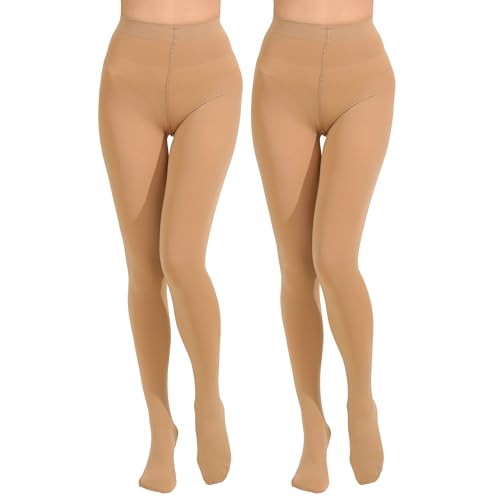
Paralinda 2 Pairs Women's Solid Color Tights 80D, Soft Opaque Microfiber Tights (Nude, S/M)
High Quality Tights: Knitted with fine microfiber, Tights are extramely soft and elastic, you can feel free and…
As an affiliate, we earn on qualifying purchases.
As an affiliate, we earn on qualifying purchases.
Conclusion
So, next time you’re choosing tights, remember the science behind their softness—it’s not just magic, but a clever blend of fibers and finishes. Think of it as a secret recipe, like a dash of alchemy from the olden days, making your tights feel heavenly. Don’t just settle for what’s easy; seek out those with the right blend of materials. After all, soft tights can transform your whole day, as if you’ve stepped into a cozy, enchanted domain.
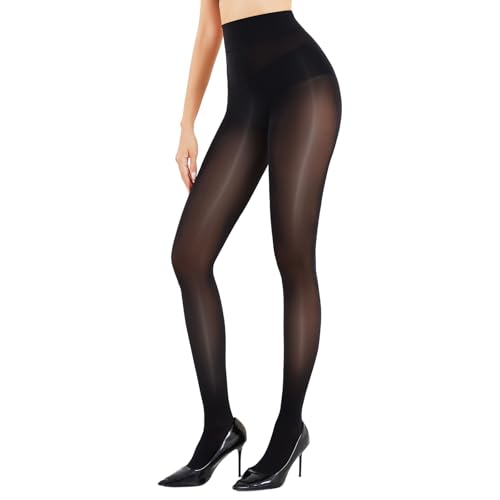
VICRSDCY Sheer Tights for Women Shiny Pantyhose Oil Silk High Waist Tights Rip Resistant Tights Stockings Black L
Soft & Lightweight Comfort:Tights for women crafted with 10 denier and high-density knitting are gentle, silky, and lightweight….
As an affiliate, we earn on qualifying purchases.
As an affiliate, we earn on qualifying purchases.

Luxdovi Women Ultra Soft 50 Denier Silky Tights Semi Opaque Solid Color Pantyhose High Waist Footed Stockings (Tan, S-M, 1 Pack)
Size: S-M: Height 4'11"-5'5", Weight 90-130lbs. M-L: Height 5'3"-5'9", Weight 120-150lbs. L-XL: Height 5'3"-5'11", Weight 140-180lbs. XL-XXL: Height…
As an affiliate, we earn on qualifying purchases.
As an affiliate, we earn on qualifying purchases.