When choosing fabrics or tights for sun protection, look for a UPF rating of 30 or higher, which blocks most UV rays. Fabrics with tight weaves, thicker materials, and darker colors generally offer better protection. Special UV-inhibiting finishes can boost effectiveness too. Keep in mind, no fabric blocks all UV rays, so combining protective clothing with sunscreen and accessories is best. To learn more about selecting the right sun-safe options, continue exploring.

Get your wardrobe favorites delivered free — and shop member deals
- Fast, free delivery on millions of items
- Access to Prime Big Deal Days deals on October 6–7
- Prime Video, Amazon Music and more included
Key Takeaways
- UPF ratings indicate the fabric’s ability to block UV rays, with 30+ being ideal for sun protection.
- Tightly woven, thicker fabrics, especially with UV-inhibiting finishes, offer higher UPF protection.
- Darker colors and dense weaves enhance UV blocking compared to lightweight, loose fabrics.
- Proper washing and care preserve the fabric’s UPF effectiveness over time.
- Combining protective clothing with sunscreen and accessories provides the best overall UV defense.

Have you ever wondered how to choose the best sun protection for your skin? It all comes down to understanding sun-protection ratings for fabrics and tights. These ratings help you gauge how effectively a material blocks harmful UV rays, so you can stay safe without constantly reapplying sunscreen or worrying about exposure. When shopping for clothing or tights, look for labels that specify the UPF (Ultraviolet Protection Factor) rating. UPF indicates how much UV radiation can pass through a fabric and reach your skin. For example, a UPF of 50 means only 1/50th of the UV rays penetrate the fabric, providing excellent protection. Fabrics with higher UPF ratings, usually 30 or above, are ideal for prolonged outdoor activities or if you have sensitive skin.
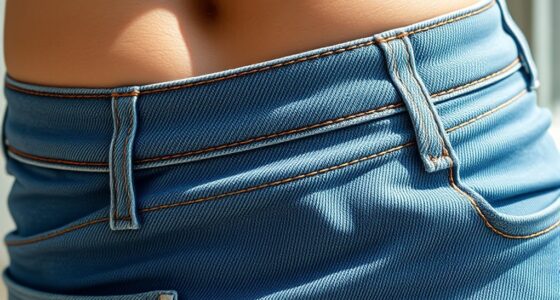
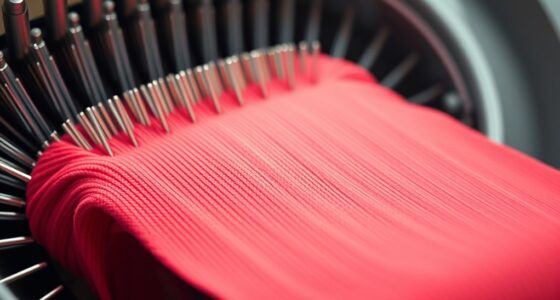
Not all fabrics are created equal when it comes to sun protection. Tight weaves, thicker materials, and fabrics with special finishes tend to block more UV rays. For instance, tightly woven cotton or polyester fabrics often have higher UPF ratings compared to loose, lightweight materials. Some clothing brands treat their fabrics with UV-inhibiting coatings, boosting their UPF and offering better protection. When choosing tights or clothing, consider the fabric’s color as well. Darker colors tend to absorb more UV rays, providing additional shielding, whereas lighter shades might allow more rays to pass through. However, the weave and material composition are usually more critical factors than color alone.
It’s important to remember that even the best sun-protection fabrics need proper care to maintain their UPF ratings. Washing them improperly or using harsh detergents can degrade their protective qualities. Always follow the manufacturer’s instructions for cleaning, and avoid fabric softeners that can coat fibers and reduce their UV-blocking ability. Additionally, no fabric can block 100% of UV rays, so combining protective clothing with other sun safety measures—like wearing hats, sunglasses, and applying broad-spectrum sunscreen—is the smartest way to shield your skin. Choosing fabrics with high UPF ratings is especially important in areas with intense sunlight, such as near reflective surfaces or at high altitudes.
Ultimately, understanding sun-protection ratings helps you make smarter choices about what to wear outdoors. By selecting clothing and tights with high UPF ratings, paying attention to fabric type, weave, and care, you can enjoy your time outside while minimizing UV damage. It’s an easy, effective way to protect your skin without the hassle of constant reapplication of sunscreen or worrying about overexposure.
Frequently Asked Questions
How Do Different Fabric Colors Affect Sun Protection?
Dark-colored fabrics, like black or navy, provide better sun protection because they absorb more UV rays, preventing them from reaching your skin. Lighter colors, such as white or pastel shades, reflect UV rays but usually offer less protection. When choosing clothes for sun safety, opt for darker hues and tightly woven fabrics to maximize UV blockage and keep yourself protected during outdoor activities.
Can I Improve Fabric Sun Protection With Special Treatments?
Yes, you can improve fabric sun protection with special treatments. Applying water-repellent or UV-resistant sprays creates a barrier that blocks more UV rays, enhancing your protection. Look for products specifically designed for fabrics and follow the instructions carefully. Keep in mind, treatments may wear off over time or after washing, so reapply regularly. Combining treated fabrics with protective clothing and sunscreen offers the best overall sun safety.
Do Tights With High SPF Offer Full UV Protection?
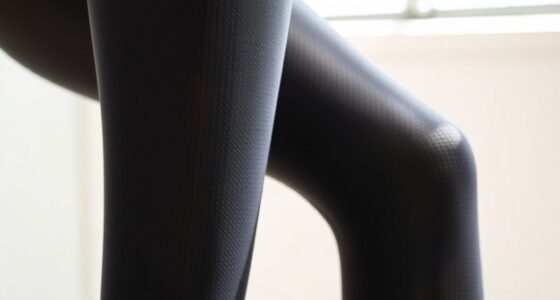
Tights with high SPF do offer significant UV protection, but they don’t provide full coverage. While they help block much of the UV rays, gaps or thin areas might still allow some exposure. To maximize protection, wear additional sun-safe clothing, apply broad-spectrum sunscreen on exposed skin, and seek shade during peak sun hours. Remember, no single garment can guarantee complete UV shielding, so combining methods is your best bet.
How Does Fabric Weave Density Influence Sun Protection?
Think of fabric weave density as a tightly woven shield that blocks the sun’s rays. The denser the weave, the fewer gaps for UV light to slip through. When you wear clothes with high weave density, you’re fundamentally wrapping yourself in a fortress that offers better sun protection. So, if you want to stay safe from UV rays, opt for fabrics with tight, compact weaves—they’re your best armor against the sun.
Are There Any Safety Concerns With Prolonged Sun Exposure Despite Protective Fabrics?
Yes, there are safety concerns. Even with protective fabrics, prolonged sun exposure can still cause skin damage, dehydration, and increase your risk of skin cancer. Fabrics with high UPF ratings help block UV rays, but no fabric is completely UV-proof. So, you should still seek shade, wear hats, and apply broad-spectrum sunscreen when spending extended time outdoors, especially during peak sun hours.
Conclusion
So, next time you choose fabrics or tights, don’t just rely on the label. Sun-protection ratings give a good idea, but some fabrics naturally block more UV rays than others—think tightly woven materials versus loose knits. notably, darker colors often offer better protection than lighter ones, debunking the myth that all shades are equal. Trust the ratings, but remember, layering and color choice can make a real difference in keeping your skin safe.
Evergreen bestsellers Picks
bestsellers
As an affiliate, we earn on qualifying purchases.