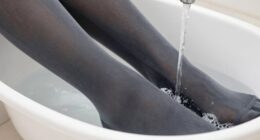
Wearing support hosiery after long-haul flights can help reduce leg discomfort and swelling by boosting blood flow and preventing fluid pooling. These stockings provide graduated compression, which supports circulation and venous return, especially during and after your flight. They’re particularly effective if you experience tired or swollen legs or are at higher risk of blood clots. To learn more about how to choose and use the right compression stockings, keep exploring this helpful information.
Key Takeaways
- Support hosiery with graduated compression reduces leg swelling, discomfort, and promotes circulation after long-haul flights.
- Evidence indicates compression stockings lower the risk of deep vein thrombosis (DVT) in travelers.
- Proper fit and appropriate compression level (e.g., 10-15 mmHg) are essential for effectiveness and comfort.
- Combining hosiery use with leg elevation and movement enhances circulatory benefits post-flight.
- Healthcare consultation is recommended to select suitable compression stockings, especially for high-risk individuals.

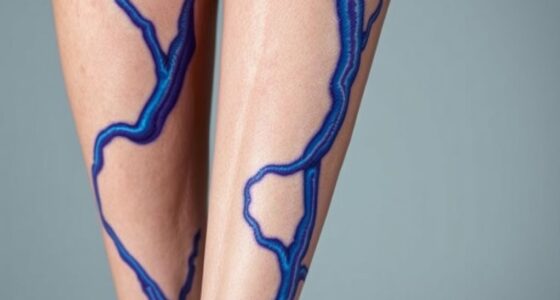
After long-haul flights, your legs can feel tired, swollen, or achy due to prolonged sitting and reduced circulation. Sitting for hours in cramped conditions slows blood flow, causing fluids to pool in your lower limbs. This pooling leads to swelling, discomfort, and sometimes even the early signs of deep vein thrombosis (DVT). Wearing support hosiery after your flight can help mitigate these effects by providing graduated compression that promotes blood flow back to your heart, reducing swelling and discomfort.
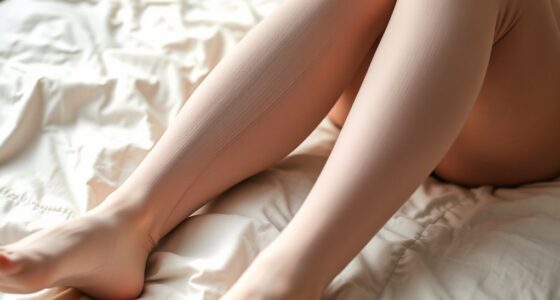
Support hosiery is designed to apply pressure that gradually decreases from your ankles to your thighs. This graduated compression encourages venous return, preventing blood from pooling in your legs and decreasing the risk of blood clots. When you put on compression stockings after landing, you’re actively supporting your circulatory system as it works to clear fluids accumulated during the flight. Many travelers find relief from tiredness and swelling simply by wearing these stockings for a few hours after they arrive at their destination.
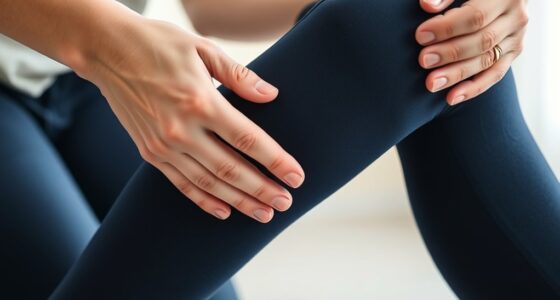
Wearing compression stockings after landing supports circulation and relieves tired, swollen legs.
Research supports the use of compression hosiery to improve circulation after long flights. Studies have shown that wearing compression stockings can substantially reduce leg swelling and discomfort in travelers, especially those with pre-existing venous issues or risk factors for blood clots. The evidence suggests that wearing compression stockings during and after flights can be an effective preventative measure, especially for individuals who are at higher risk, such as pregnant women, older adults, or those with a history of clotting disorders.
It’s important to choose the right compression level for your needs. Mild compression (around 10-15 mmHg) is often suitable for general travel comfort and mild swelling, while higher compression levels (20-30 mmHg or more) are recommended for people with more pronounced symptoms or specific medical conditions. Proper fit is vital; stockings that are too tight can cause discomfort or impede circulation, while loose ones won’t provide enough support. Ensure you measure your legs accurately and select the appropriate size, and consult with a healthcare professional if you’re unsure.
Wearing support hosiery isn’t just about comfort; it’s a practical step toward safeguarding your health after long flights. They are easy to use, portable, and can be incorporated into your post-flight routine without much hassle. Remember, while support hosiery can be beneficial, it’s also wise to stay active, hydrate well, and elevate your legs when possible. Understanding how compression hosiery works can help you make informed choices for your post-flight care and overall circulatory health. Combining these strategies maximizes circulation and minimizes the discomfort and risks associated with long periods of immobility during travel.

Physix Gear Compression Socks for Men & Women 20-30 mmhg, Best Graduated Athletic Fit for Running Nurses Shin Splints Flight Travel & Maternity Pregnancy -Boost Stamina Circulation & Recovery GRY LXL
Experience Superior Comfort: Our calcetines de compresion provide unparalleled support for all-day wear; perfect as the best compression…
As an affiliate, we earn on qualifying purchases.
As an affiliate, we earn on qualifying purchases.
Frequently Asked Questions
Can Support Hosiery Prevent All Types of Deep Vein Thrombosis?
Support hosiery can’t prevent all types of deep vein thrombosis (DVT), but it can markedly reduce your risk during long flights. Wearing compression stockings improves blood flow and lessens vein swelling, which helps prevent DVT caused by prolonged immobility. However, if you have other risk factors or underlying conditions, you should also move around regularly, stay hydrated, and consult your doctor for personalized advice.
Are There Specific Brands Recommended for Long-Haul Flights?
Some brands like Sigvaris, Jobst, and CEP are highly recommended for long-haul flights because they offer graduated compression and quality materials. You should look for stockings labeled specifically for travel or with firm compression levels around 15-20 mmHg or 20-30 mmHg, depending on your needs. Always consult your healthcare provider to choose the best brand and compression level for your trip to guarantee maximum benefit and comfort.
How Do I Choose the Right Compression Level for Travel?
You should choose a compression level based on your individual needs and travel duration. For most long flights, 15-20 mmHg provides good support and reduces swelling. If you have circulation issues or are at higher risk, opt for 20-30 mmHg, but consult a healthcare professional first. Consider your comfort, fit, and the advice of your doctor to select the right level.
Can Support Hosiery Be Worn During Flights for Comfort Only?
Like a trusted sidekick, support hosiery can be your comfort ally during flights, even if you’re not concerned about swelling or circulation. Wearing them for comfort helps reduce fatigue, prevent soreness, and keep your legs feeling fresh. Just choose a style with appropriate compression if you want extra support, but if it’s purely comfort you seek, light or graduated compression options work perfectly. Trust your comfort needs and enjoy your journey.
What Are the Signs That Support Hosiery Is Not Suitable for Me?
If you notice increased pain, numbness, swelling, skin discoloration, or a rash where you wear support hosiery, it’s a sign it might not suit you. You could also feel tingling or warmth that worsens. If you experience these symptoms, stop wearing the hosiery and consult a healthcare professional promptly. These signs indicate possible circulation issues or allergic reactions, so getting checked guarantees your safety.
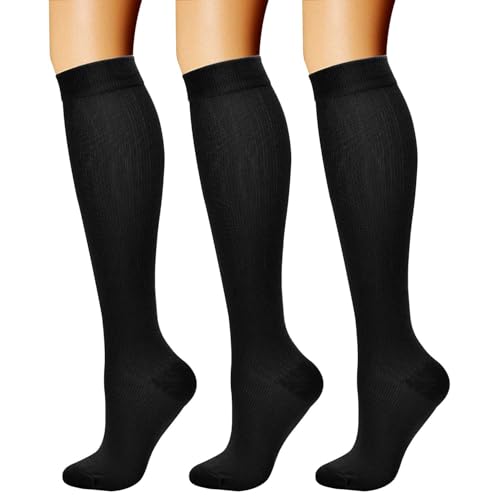
CHARMKING Compression Socks for Women & Men Circulation (3 Pairs) 15-20 mmHg is Best Athletic for Running, Flight Travel, Support, Cycling, Pregnant – Boost Performance, Durability (L/XL,Black)
COMPRESSION SOCKS – We intend combining fashion, technology and science to bring you the triple comfort without. The…
As an affiliate, we earn on qualifying purchases.
As an affiliate, we earn on qualifying purchases.
Conclusion
By now, you can see that wearing support hosiery after long-haul flights isn’t just a good idea—it’s like giving your legs a superhero cape. It helps prevent swelling, reduces discomfort, and keeps you feeling energized. Don’t underestimate the power of those simple stockings—they could be the secret weapon your legs need after a marathon flight. So, next time you travel far, slip into support hosiery and give your legs the boost they deserve. Your legs will thank you!

4 Pairs Compression Socks for Women Circulation-Best Support for Flight and Long Sitting or Standing Work, Reduce Swelling and Leg Fatigue, Improve Blood Flow for Daily Office Wear nude S-M
All-Day Comfort Compression Socks – These compression socks are designed for long-lasting comfort, perfect for anyone on their…
As an affiliate, we earn on qualifying purchases.
As an affiliate, we earn on qualifying purchases.

Doctor's Select Light Compression Socks for Men – 3 Pairs, Knee High Comfort and Support, 8-15 mmHg Compression Socks for Men 9-12, Black, Light Gray, Navy
Boost Circulation and Soothe Swelling – The lightweight compression socks are equipped with 8-15 mmHg compression that helps…
As an affiliate, we earn on qualifying purchases.
As an affiliate, we earn on qualifying purchases.