
As a costume designer, you know stockings are essential for adding authenticity and character to your costumes on stage and screen. You consider fabric, color, and style to reflect personality, ensuring perfect fit for comfort and realism. Coordinating stockings with shoes, accessories, and lighting enhances visual impact, while details like seams or garters emphasize period accuracy. Mastering these choices helps bring your characters vividly to life, and exploring further reveals how to craft compelling, authentic looks every time.

Get your wardrobe favorites delivered free — and shop member deals
- Fast, free delivery on millions of items
- Access to Prime Big Deal Days deals on October 6–7
- Prime Video, Amazon Music and more included
Key Takeaways
- Stockings enhance character portrayal by setting tone, period, and personality, making them essential in stage and screen costumes.
- Selection should consider fabric, color, and style to match authenticity, character traits, and lighting effects.
- Proper fit and reinforced toes/heels ensure durability, comfort, and a seamless appearance under stage or camera conditions.
- Coordinating stockings with costumes and accessories like garters or trims enhances visual storytelling and authenticity.
- Stockings serve as storytelling tools, balancing authenticity, functionality, and visual impact to bring characters convincingly to life.
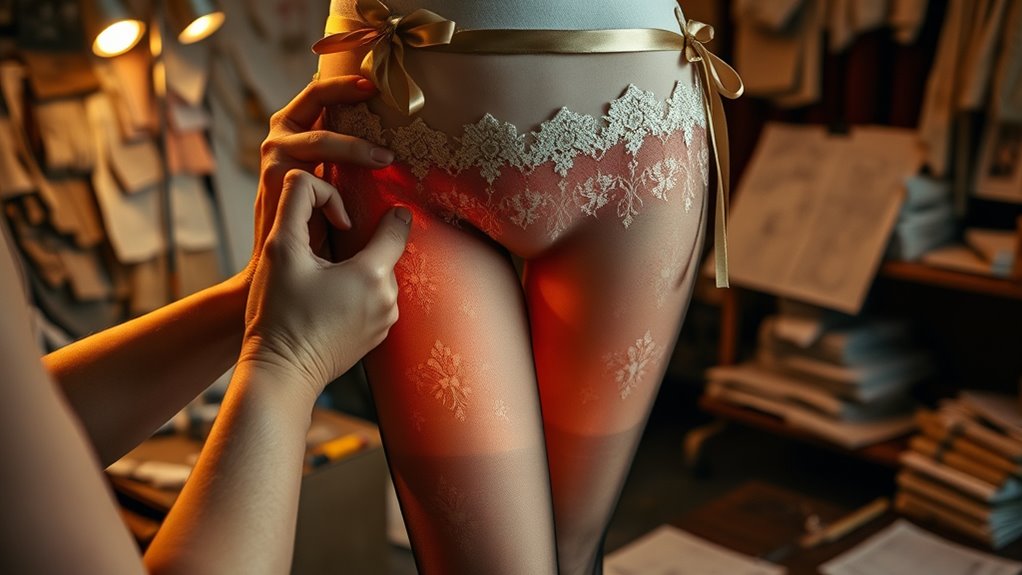
Stockings have long been an essential accessory in stage and screen costumes, instantly transforming an actor’s look and enhancing character portrayal. As a costume designer, you understand that every detail counts, and stockings are no exception. They set the tone, evoke a period, or define a character’s personality. Whether you’re dressing a glamorous starlet from the 1950s or a rebellious youth from a contemporary drama, choosing the right stockings is crucial. Your goal is to complement the costume, support the narrative, and help actors embody their roles convincingly.
When selecting stockings, you consider fabric, color, texture, and style. For period pieces, you might opt for vintage silk or nylon stockings with seams or reinforced heels, which evoke authenticity. For modern productions, stretch satin or opaque hosiery may better suit the look. You also think about the character’s personality—delicate, refined stockings can suggest elegance and fragility, while bold, patterned tights convey a playful or rebellious attitude. The material’s sheen and opacity influence how the costume reads on camera or stage, affecting how light interacts with the fabric and how the audience perceives the character.
Fit and comfort are high priorities, especially since actors wear stockings for long hours. You ensure they fit perfectly, avoiding sagging or bunching, which can ruin the visual line. Reinforced toes and heels add durability for repeated wear, and you might choose seamless options for a smooth, modern look. When working with period costumes, you pay attention to details like seams and garter attachments, since these elements add authenticity and help establish the era. For stage performances, you also consider how stockings move and stretch with actors’ movements, making sure they stay in place without causing discomfort or distracting the audience.
Color coordination is another key aspect. You match stockings to the costume or skin tone to create seamless lines or make a statement with contrasting hues. For example, sheer nude stockings elongate the legs and create a polished appearance, while vibrant or patterned tights draw attention and add character depth. You also think about how stockings will interact with shoes—whether they’ll be hidden, visible, or meant to be a focal point. Sometimes, you combine stockings with accessories like garters or decorative trims to elevate the overall look. Additionally, understanding stocking materials and their properties helps you select options that will perform well under stage and camera conditions.
Ultimately, your expertise as a costume designer guides your choices, balancing authenticity, functionality, and visual impact. Stockings aren’t just an accessory; they’re a tool to deepen the audience’s understanding of a character and to support the storytelling. Every pair you select or design helps bring a character to life, ensuring the costume feels complete and authentic on stage or screen.
vintage silk stockings with seams
As an affiliate, we earn on qualifying purchases.
As an affiliate, we earn on qualifying purchases.
Frequently Asked Questions
How Do Costume Designers Choose Stockings for Different Characters?
You choose stockings for characters by considering their personality, era, and scene. Think about the character’s style and mood—elegant, rebellious, or shy—and pick stockings that enhance these traits. You also match colors and textures to the costume and setting. Practicality matters too; for stage, you select durable options that stay in place. Ultimately, your goal is to make stockings feel authentic and support the story you’re telling.
What Materials Are Commonly Used in Stage Stockings?
You’ll find that stage stockings are commonly made from materials like nylon, silk, and spandex, offering durability and stretch. Nylon provides a smooth finish and resilience, silk adds a luxurious feel, and spandex ensures a snug fit and flexibility for movement. Sometimes, you might also see blends or reinforced toe areas for added strength. These materials help create the right look and functionality for your character’s costume.
How Do Stockings Enhance a Character’s Costume?
Stockings elevate a character’s costume by adding elegance and sophistication, much like a classic film noir heroine. They draw attention to the legs, emphasizing movement and posture, which helps convey personality or mood. You can use textures, colors, and patterns to reflect a character’s status or era, making the costume more authentic. Ultimately, stockings serve as a subtle yet powerful detail that enhances storytelling through visual refinement.
Are There Special Considerations for Period-Specific Stockings?
Yes, you should consider the historical accuracy, fabric, and style when selecting period-specific stockings. Pay attention to details like seam placement, heel shape, and color to match the era’s trends. You’ll want to research the common materials used, such as silk or wool, and verify your stockings complement the overall costume. Authenticity helps immerse your audience and enhances the character’s credibility on stage or screen.
How Do Costume Designers Ensure Stockings Stay in Place During Performances?
To keep stockings in place during performances, you should use proper fit and high-quality materials. Incorporate garters or stay-up silicone bands to prevent slipping. Make certain stockings are carefully fitted and reinforced at the seams for durability. You can also add discreet adhesive or double-sided tape for extra security. Regularly check and adjust stockings during rehearsals to maintain a polished look throughout the performance.
As an affiliate, we earn on qualifying purchases.
Conclusion
Think of stockings as the secret thread weaving your costume’s story. They’re more than just fabric; they’re the invisible punctuation that highlights your character’s mood, era, and elegance. When you choose the right pair, you’re not just dressing; you’re creating a living, breathing piece of art on stage or screen. So, embrace these delicate accents—they’re the silent storytellers that make your performance truly unforgettable.
As an affiliate, we earn on qualifying purchases.
As an affiliate, we earn on qualifying purchases.
Fall Picks
fall essentials
As an affiliate, we earn on qualifying purchases.