
A vascular nurse advises that support hosiery helps improve blood flow, reduce swelling, and manage conditions like varicose veins or blood clots. It is crucial to get the right fit, measure your legs properly, and wear the stockings during the day. Proper care extends their life, so hand wash and avoid wrinkling. If you experience discomfort or have unique needs, consult your healthcare provider. Keep going to discover more practical tips and expert insights on supporting your vascular health.

Get your wardrobe favorites delivered free with Prime
- Fast, free delivery on millions of items
- Prime Video, Amazon Music and more included
- Member-only deals all year
Key Takeaways
- A vascular nurse can advise on proper sizing, pressure levels, and types of support hosiery suitable for individual conditions.
- Support hosiery improves circulation, reduces swelling, and helps manage venous and arterial issues effectively.
- Proper fit, measurement, and maintenance are essential for comfort and maximizing the benefits of support stockings.
- Daily wear during waking hours and gentle hand washing extend the lifespan and effectiveness of support hosiery.
- Regular consultation with healthcare providers ensures appropriate use and addresses any skin irritation or discomfort.
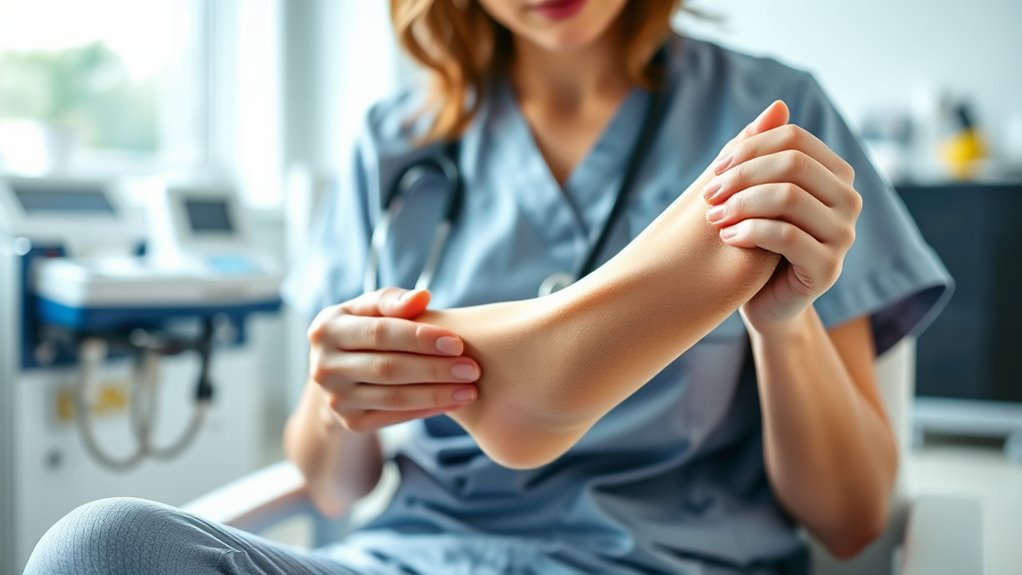
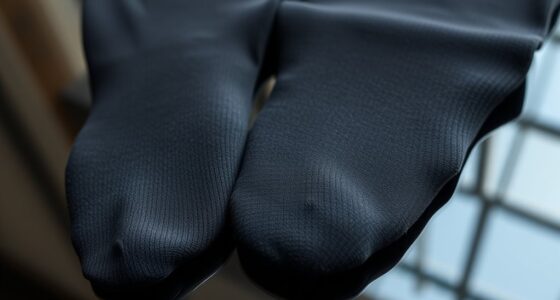
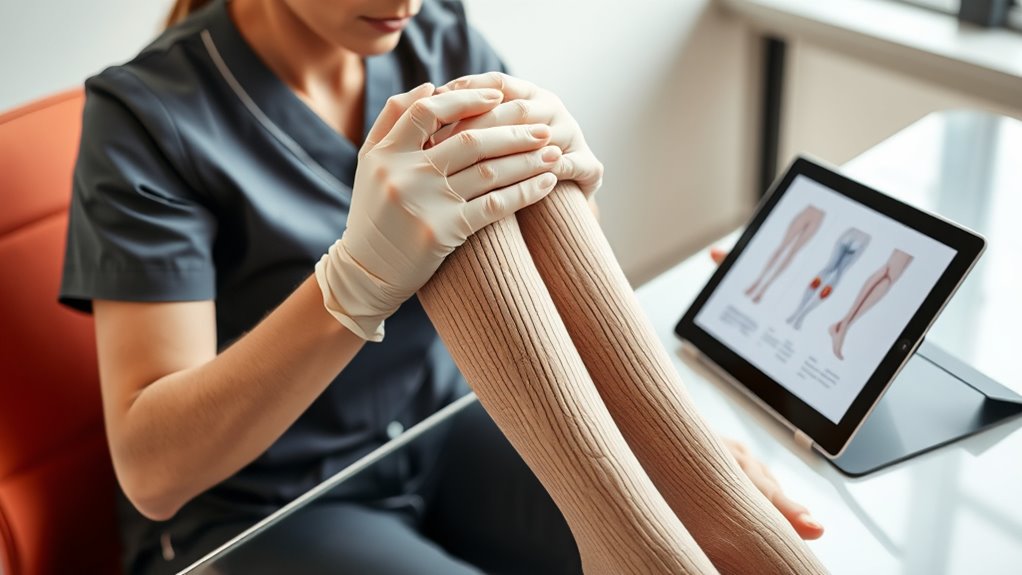
Vascular nurse support hosiery plays an essential role in managing and preventing venous and arterial conditions. If you’re considering or already using support stockings, understanding their purpose and proper use can markedly improve your health and comfort. As a vascular nurse, I often get asked about the benefits, types, and correct fitting of support hosiery. It’s important to know that these stockings are designed to apply graduated pressure, helping blood flow efficiently back toward your heart and reducing swelling in your legs and feet. They’re especially beneficial if you have varicose veins, deep vein thrombosis, or if you’re on your feet for long periods.
One common question I hear is about the different types of support hosiery. There are generally two categories: graduated compression stockings and anti-embolism stockings. Graduated compression stockings come in various compression levels, measured in millimeters of mercury (mmHg). Mild compression, around 8-15 mmHg, is suitable for minor swelling or discomfort, while moderate to high compression—20-30 mmHg or higher—is typically recommended for more serious conditions like varicose veins or post-surgical support. Anti-embolism stockings are usually used in hospital settings to prevent blood clots after surgery or during long flights. Knowing which type to choose depends on your specific condition and your healthcare provider’s advice.
People often ask about how to guarantee they get the right fit. Proper sizing is essential because ill-fitting stockings won’t provide the correct pressure and can cause discomfort or skin issues. To find your size, you’ll need to measure the circumference of your ankle, calf, and sometimes thigh, depending on the stocking style. It’s best to measure in the morning when your legs are least swollen. When putting on support hosiery, do so carefully, starting from the toes and gradually pulling the stocking up your leg, smoothing out any wrinkles. If you find it difficult to put them on or experience discomfort, don’t hesitate to ask your healthcare provider for assistance or guidance on proper techniques. Additionally, choosing durable materials can extend the lifespan and effectiveness of your support hosiery.
Many patients wonder how long they should wear support hosiery daily. Usually, it’s recommended to wear them during the day and remove them before bed unless your doctor advises otherwise. Consistency is key to managing symptoms effectively. Also, remember that support stockings need regular cleaning—usually hand washing in mild soap and air drying—to maintain their elasticity and effectiveness. If you experience skin irritation, increased discomfort, or if the stockings no longer fit properly, consult your healthcare provider promptly. Properly fitted, correctly worn support hosiery can be a simple yet powerful tool in your vascular health management, helping you feel better and preventing more serious issues down the line.
graduated compression stockings 20-30 mmHg
As an affiliate, we earn on qualifying purchases.
As an affiliate, we earn on qualifying purchases.
Frequently Asked Questions
Can Support Hosiery Be Worn During Exercise or Sports Activities?
Yes, you can wear support hosiery during exercise or sports activities. It helps improve circulation, reduce swelling, and provide muscle support. Make sure to choose the right compression level and a comfortable, breathable fabric designed for active use. You might want to try different styles to find what feels best during your activity. Always consult your healthcare provider if you’re unsure about the best type for your needs.
How Do I Properly Measure My Legs for the Correct Hosiery Size?
To measure your legs for the correct support hosiery size, start by sitting or lying down to get accurate measurements. Use a flexible measuring tape to measure around the widest part of your calf, just below the knee, and around your ankle at its narrowest point. Record these measurements carefully. Then, consult the sizing chart provided by the manufacturer, matching your measurements to find the perfect fit.
Are There Any Specific Brands Recommended by Vascular Nurses?
Think of choosing support hosiery like finding the right pair of shoes—you want comfort and durability. Many vascular nurses recommend trusted brands like Jobst, Juzo, and Sigvaris, known for quality and consistent sizing. I once recommended Juzo to a patient, and she reported noticeable relief within days. Trust these brands, and always follow your nurse’s advice for proper fit, ensuring maximum benefits and comfort throughout your day.
Can Support Hosiery Be Worn Overnight or Continuously?
You shouldn’t wear support hosiery overnight or continuously unless your healthcare provider advises otherwise. Wearing it too long can restrict blood flow or cause discomfort. Typically, you’re encouraged to wear it during the day when you’re active and remove it at night to let your skin breathe. Always follow your nurse’s or doctor’s specific instructions, as they know what’s safest for your condition.
What Are Common Signs That My Support Hosiery No Longer Fits Properly?
You’ll notice your support hosiery no longer fits properly if it feels too tight, causes discomfort, or leaves deep indentations in your skin after removal. If it slides down or bunches up, that’s another sign it’s too loose. You may also experience increased swelling or reduced circulation. Always check the fit regularly and consult your healthcare provider if you notice any of these signs to guarantee the best compression and comfort.
As an affiliate, we earn on qualifying purchases.
Conclusion
Wearing support hosiery can markedly improve circulation and reduce discomfort. Did you know that studies show up to 80% of people with varicose veins see symptom relief with proper use? By understanding how to wear and care for your stockings, you take an active step toward better vascular health. So, don’t hesitate—embrace support hosiery as a simple, effective way to feel better and stay healthier every day.
support hosiery for varicose veins
As an affiliate, we earn on qualifying purchases.
As an affiliate, we earn on qualifying purchases.
compression stockings for leg swelling
As an affiliate, we earn on qualifying purchases.
As an affiliate, we earn on qualifying purchases.
Halloween Picks
halloween
As an affiliate, we earn on qualifying purchases.