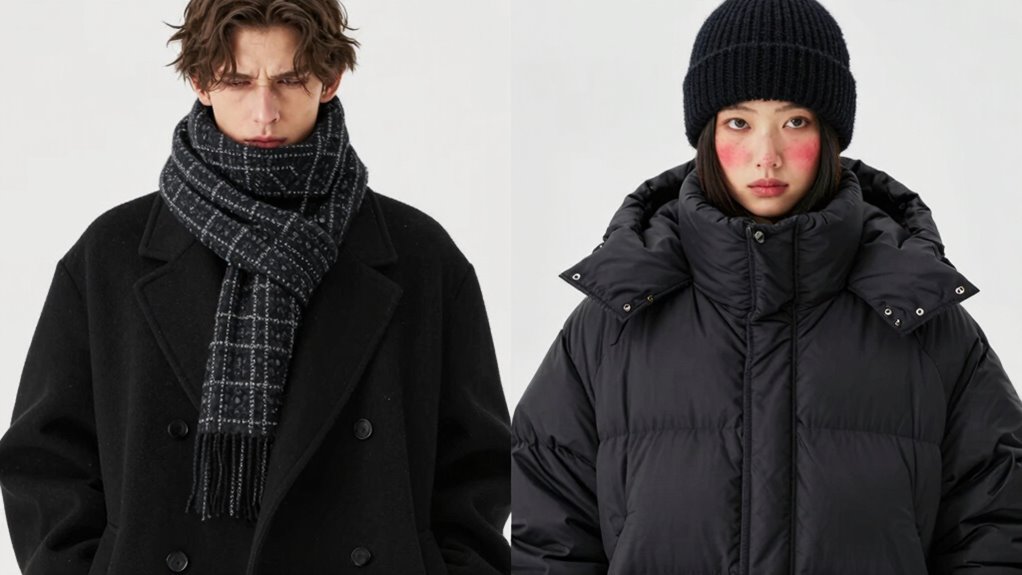

Looking warm in winter outfits often isn’t enough—you might be wearing bulky layers or fashionable pieces that hide how poorly they insulate. Being truly warm depends on proper layering, fabric choices, and fit, like moisture-wicking base layers and insulated mid-layers. Stylish outfits can sometimes mask the lack of functional warmth. To actually stay comfortable, focus on layers and materials that trap heat and wick moisture. Keep exploring to discover how to blend style with real winter warmth.

Get your wardrobe favorites delivered free — and shop member deals
- Fast, free delivery on millions of items
- Access to Prime Big Deal Days deals on October 6–7
- Prime Video, Amazon Music and more included
Key Takeaways
- Looking warm often relies on bulky, layered clothing that may not effectively insulate or wick moisture.
- Actual warmth depends on proper fabric choices, like wool or down, that trap heat and manage moisture.
- Seamless, fitted layers improve insulation and mobility, preventing heat loss through gaps.
- The outer layer’s waterproof and windproof features protect against elements, crucial for real warmth.
- Style can be achieved with strategic layering, but true warmth comes from functional, insulating fabrics and fit.
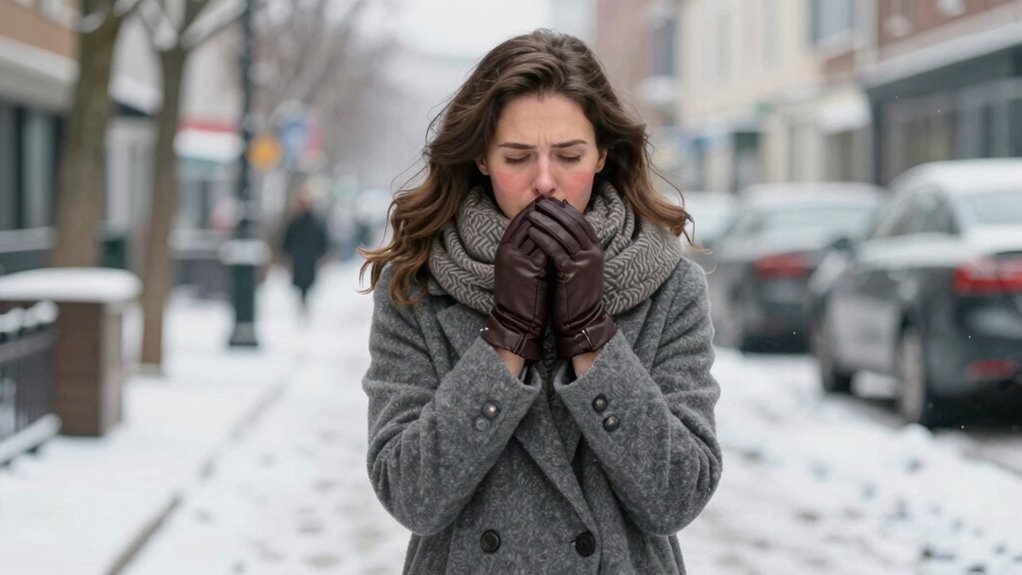
When it comes to winter outfits, it’s easy to mistake style for warmth. You might see someone in a sleek, fashionable coat and assume they’re prepared for the cold. But looking warm doesn’t always mean you’re actually warm. To stay comfortable and protected from the chill, you need to focus on effective layering techniques and fabric choices that trap heat and wick away moisture.
Layering is your best tool for balancing style and function. You want to build your outfit in tiers, starting with a moisture-wicking base layer that keeps sweat away from your skin. Next, add an insulating middle layer, like a fleece or down vest, which traps body heat. Top it off with a windproof and waterproof outer layer that blocks wind and snow while allowing moisture to escape. This strategic layering not only keeps you warm but also allows you to adjust your clothing based on changing conditions or activity level. Instead of piling on bulky pieces that look heavy, choose fitted layers that work together seamlessly. This way, you maintain mobility and style while maximizing warmth.
Layer smartly with fitted, seamless pieces to stay warm, stylish, and adaptable in winter.
Fabric choices are just as crucial. Opt for materials that insulate well without adding bulk. Wool, especially merino wool, is excellent because it retains heat even when damp and naturally resists odors. Down fills are renowned for their warmth-to-weight ratio, but they need a good outer shell to protect against the elements. Synthetic fabrics like polyester or nylon can also be effective, especially when treated to be water-resistant or windproof. Avoid cotton, which absorbs moisture and loses its insulating properties when wet. When you select fabrics wisely, you’re investing in clothing that actively contributes to your warmth rather than merely giving the appearance of it. Additionally, understanding the metaphysical significance of clothing choices can help you feel more aligned and confident in your winter wardrobe.
It’s tempting to prioritize looks, especially when shopping or dressing in the morning. But if your goal is to stay warm, you need to think beyond the surface. Combining layered outfits with the right fabric choices transforms a fashionable look into a practical winter ensemble. Remember, the key isn’t just to look good—it’s to feel good and stay warm. By carefully choosing your layers and fabrics, you’ll be better equipped to face the cold without sacrificing your style or comfort. Ultimately, knowing how to layer and selecting the right materials makes all the difference between looking warm and actually being warm in winter.
Frequently Asked Questions
How Can I Tell if a Coat Is Truly Insulated?
To tell if a coat is truly insulated, check the thermal insulation by examining its fill material, like down or synthetic fibers. Look for high-quality coat materials that mention insulation ratings or fill power for down coats. Feel the coat’s weight—heavier coats often have better insulation. Also, read the label for specifics on thermal performance. A well-insulated coat keeps you warm even in the coldest weather.
What Fabrics Are Best for Staying Warm in Winter?
A stitch in time saves nine, so choose wisely. For staying warm, opt for fabrics like wool and fleece, which excel at trapping heat. Consider winter accessories made of insulated materials for extra warmth. Durable fabrics guarantee longevity and consistent insulation, vital during harsh winter days. Combining these materials with layered clothing keeps you cozy, proving that the right fabrics and accessories make all the difference between looking warm and actually being warm.
Can Layering Make Me Warmer Without Bulk?
Layering can definitely make you warmer without bulk if you use smart fashion hacks and style tips. Start with a close-fitting thermal base layer to trap heat, then add lightweight yet insulating pieces like fleece or down, and finish with a waterproof outer layer. Choosing thin, high-quality fabrics allows you to stay cozy while maintaining a sleek look. Proper layering distributes heat evenly, so you stay warm without feeling bulky.
How Do I Prevent Heat Loss Through My Feet and Hands?
To prevent heat loss through your feet and hands, focus on sock insulation and glove materials. Wear thermal or wool socks for better insulation, and consider layering with moisture-wicking liners. For your hands, opt for gloves made from insulated materials like down, fleece, or Thinsulate, which trap heat effectively. Make sure gloves fit well to prevent cold air from entering, and consider using glove liners for extra warmth.
Are Stylish Winter Outfits Usually Less Warm?
Stylish winter outfits aren’t necessarily less warm, but fashion trends often prioritize aesthetics over insulation. You can stay fashionable and warm by choosing seasonal accessories like insulated boots, cozy scarves, and thermal layers that complement your look. Focus on layering smartly, mixing trendy pieces with practical, heat-retaining items. This way, you maintain your style without sacrificing comfort, ensuring you stay warm while still rocking the latest winter fashion trends.
Conclusion
So, remember, appearances can be deceiving—just because you look warm doesn’t mean you are. Don’t rely solely on fashion tricks to stay cozy; invest in quality insulation and layers that truly keep the cold at bay. When you’re dressed for comfort, you’ll avoid feeling like you’re fighting a losing battle against winter’s chill. Keep your priorities straight, and you’ll stay warm from the inside out, no matter how frosty it gets outside.
Fall Picks
fall essentials
As an affiliate, we earn on qualifying purchases.