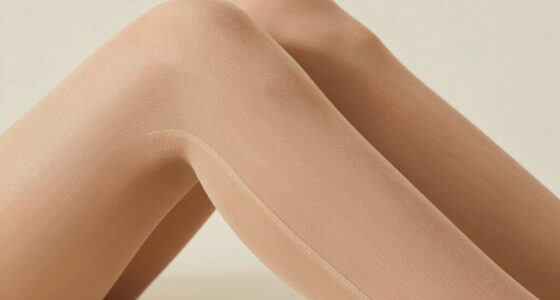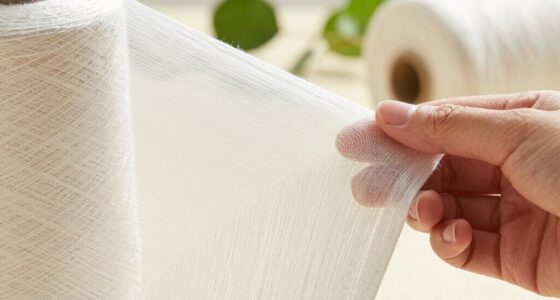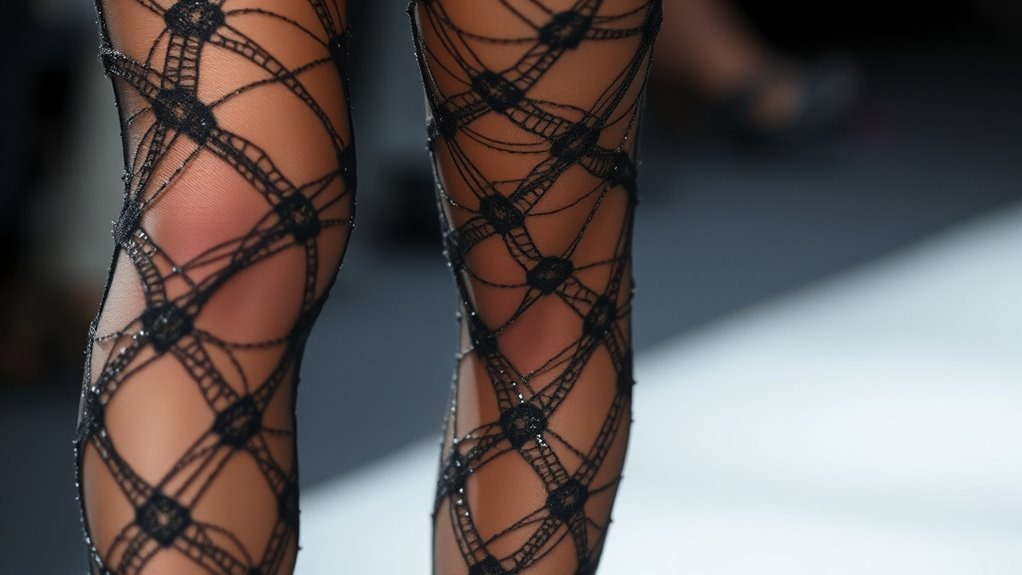

Fashion designers are creatively transforming old tights into high couture by using innovative techniques like patchwork, layering, weaving, and embellishing. They repurpose worn-out or damaged tights, giving them new life as unique statement pieces that blend sustainability with artistic vision. Many collaborate to showcase how recycling aligns with luxury fashion, highlighting cultural stories and eco-consciousness. If you keep exploring, you’ll discover the inspiring ways designers turn waste into runway-worthy art.

Get your wardrobe favorites delivered free with Prime
- Fast, free delivery on millions of items
- Prime Video, Amazon Music and more included
- Member-only deals all year
Key Takeaways
- Designers repurpose old tights through techniques like patchwork, layering, weaving, and appliqué to create innovative high-fashion pieces.
- Upcycling tights preserves textures and patterns, transforming minor damages into unique design features aligned with sustainability.
- Couture collaborations incorporate vintage textiles and artistic manipulation, emphasizing cultural narratives and social commentary.
- Advanced methods such as digital fabrication and biodegradable fibers expand possibilities for durable, eco-friendly high-fashion tights.
- Creative reuse of tights aligns with circular economy principles, appealing to eco-conscious consumers and elevating sustainable couture designs.
eco-friendly tights for upcycling
As an affiliate, we earn on qualifying purchases.
As an affiliate, we earn on qualifying purchases.
The Environmental Drive Behind Upcycling Tights

Have you ever wondered how much textile waste ends up in landfills each year? Globally, about 92 million tons of textile waste are discarded annually, with one truckload dumped every second. Tights, socks, and collars wear out faster because of frequent contact with your skin and daily use, often leading to early disposal. But instead of adding to landfill overload, upcycling offers a solution. When designers transform old tights into new fashion pieces, they help reduce the massive waste problem. This practice aligns with circular economy principles, aiming to extend the life of textiles and minimize environmental impact. By repurposing materials that would otherwise be discarded, upcycling promotes sustainability and addresses the urgent need to lessen the fashion industry’s ecological footprint. Resource conservation is a vital aspect of sustainable fashion, encouraging innovative ways to reuse and recycle materials. Additionally, embracing sustainable design trends can further amplify positive environmental outcomes. Incorporating textile waste reduction strategies can significantly enhance the overall impact of eco-friendly fashion initiatives. Moreover, understanding emergency preparedness can be crucial for fashion brands aiming to minimize supply chain disruptions during environmental crises, ensuring continuous production and sustainability efforts. Implementing innovative upcycling techniques can also inspire new trends within eco-conscious fashion circles.
reusable tights for fashion projects
As an affiliate, we earn on qualifying purchases.
As an affiliate, we earn on qualifying purchases.
Innovative Design Approaches in Tights Repurposing

Innovative design approaches in tights repurposing are transforming discarded hosiery into striking fashion statements. Designers manipulate tights through cutting, layering, and combining them with other fabrics to craft new silhouettes. They often preserve patterns or textures, turning minor damages into unique features. Techniques like weaving or patchwork add depth and creativity, pushing the boundaries of traditional upcycling. For example, tights can be shredded into textured panels or sewn into intricate appliqués. Here’s a visual to help you picture these methods:
| Technique | Result |
|---|---|
| Cutting and layering | Creates textured, multi-dimensional garments |
| Patchwork | Adds visual interest and durability |
| Weaving | Produces new fabric textures |
| Combining fabrics | Merges vintage and modern aesthetics |
These approaches turn old tights into avant-garde, eco-conscious fashion pieces, emphasizing the importance of upcycling techniques in sustainable fashion. Exploring creative reuse can further inspire innovative ways to extend the life of everyday items and reduce waste.
sustainable hosiery for DIY fashion
As an affiliate, we earn on qualifying purchases.
As an affiliate, we earn on qualifying purchases.
Techniques Transforming Old Tights Into Fashion Statements

Transforming old tights into striking fashion statements involves a variety of techniques that turn discarded hosiery into wearable art. You can start by cutting specific sections, like the crotch or laddered areas, to create crop tops, skirts, or accessories. Layering tights over other fabrics adds texture and depth, giving your outfit a unique edge. Combining different patterns and colors can produce bold visual effects, while manipulating the fabric through pleating or ruffling introduces new silhouettes. Some designers use embroidery, paint, or appliqué to add artistic details. Additionally, patching and weaving tights with other textiles can create intricate textures. Incorporating eco-friendly sustainable materials can further enhance your designs by reducing environmental impact. Exploring recycling techniques can inspire innovative ways to give new life to old hosiery, emphasizing creativity and sustainability in fashion. Understanding upcycling methods can open even more possibilities for transforming tights into high-fashion pieces. Embracing positive thinking and a growth mindset can also encourage designers to experiment boldly with unconventional materials and techniques, fostering innovation and resilience in their creative process. Moreover, applying insights from personality traits can help designers better understand their creative strengths and collaborative styles, enhancing their innovative potential.
upcycled tights fashion accessories
As an affiliate, we earn on qualifying purchases.
As an affiliate, we earn on qualifying purchases.
Trends Shaping Consumer Interest in Sustainable Couture

You’re noticing how eco-conscious fashion movements are influencing your choices, pushing you toward sustainable couture options. Unique, upcycled designs catch your eye because they blend creativity with environmental responsibility. Brands that emphasize ethical practices appeal to your desire to support fashion that’s stylish and mindful of its impact. Incorporating raw materials into fashion design is becoming more popular as a way to reduce waste and promote sustainability. Demonstrating leadership skills in adopting eco-friendly practices can inspire others within the industry to follow suit. Exploring innovative techniques like upcycling allows designers to transform old garments into high-fashion pieces, further emphasizing sustainability. Additionally, understanding building regulations helps ensure that eco-friendly materials are used legally and effectively in fashion production. Cultivating creative practice can help designers develop fresh ideas for sustainable fashion solutions, pushing the boundaries of traditional design.
Eco-conscious Fashion Movements
Eco-conscious fashion movements are shaping consumer interest in sustainable couture by emphasizing environmental responsibility and ethical production. You’re increasingly drawn to brands that prioritize waste reduction, transparency, and eco-friendly materials. This shift encourages you to see fashion as a way to make a positive impact. Designers leverage these movements by upcycling tights into high-fashion pieces, highlighting innovation and sustainability. To understand this better, consider this table:
| Movement Focus | Consumer Impact |
|---|---|
| Circular Economy | Extends garment lifespan, reduces waste |
| Ethical Production | Supports fair labor and eco-friendly practices |
| Transparency & Traceability | Builds trust, encourages mindful purchasing |
| Minimalism & Versatility | Promotes timeless, multi-use designs |
These trends motivate you to choose consciously, making sustainable couture a stylish statement.
Unique Upcycled Designs
Unique upcycled designs are capturing consumer interest by blending sustainability with bold creativity. You’re drawn to pieces that tell a story, turning discarded tights into striking fashion statements. Designers manipulate tights through cutting, layering, and combining them with other textiles to craft innovative textures and silhouettes. These creations often feature vibrant patterns, unexpected shapes, and artistic details that stand out in a crowded market. By repurposing tights with minor damages or unique patterns, designers transform what was once destined for landfill into wearable art. This approach not only reduces waste but also pushes the boundaries of conventional fashion. As a consumer, you appreciate the originality and environmental impact behind these designs, making upcycled tights a compelling choice for those seeking style with purpose. Incorporating sustainable materials into fashion design further enhances the appeal of upcycled pieces, resonating with environmentally conscious shoppers. Additionally, the circular economy concept encourages designers to view waste as a resource, fostering innovation in sustainable fashion practices. Embracing zero waste principles allows designers to craft garments that minimize leftover material, further supporting eco-friendly initiatives. Recognizing the importance of ethical sourcing in fashion also boosts the credibility of upcycled designs and appeals to conscientious buyers.
Ethical Brand Appeal
As consumer awareness of environmental issues grows, ethical brand appeal has become a key factor driving interest in sustainable couture. You’re increasingly seeking brands that demonstrate transparency, social responsibility, and eco-friendly practices. Upcycled tights exemplify this shift, showing how fashion can reduce waste and extend textile life. Designers who emphasize sustainability often highlight their commitment to ethical sourcing and minimizing environmental impact. This creates a deeper connection with consumers who want style that aligns with their values. Here’s what this means:
| Ethical Focus | Consumer Impact |
|---|---|
| Transparency in sourcing | Builds trust and loyalty |
| Eco-friendly production | Appeals to eco-conscious buyers |
| Waste reduction initiatives | Differentiates brands in a crowded market |
| Use of recycled materials | Emphasizes sustainability |
| Social responsibility | Strengthens brand integrity |
This approach elevates the brand’s reputation and fosters long-term loyalty.
Artistic and Cultural Narratives in Upcycled Tights

Upcycled tights serve as powerful tools for expressing cultural identity and social commentary through fashion. When you wear or create with these pieces, you participate in a dialogue that reflects heritage, history, and current issues. Designers incorporate vintage textiles, like Soviet-era fabrics, to honor cultural roots, blending past and present narratives. Artistic manipulation of tights—cutting, layering, and embellishing—can symbolize themes such as resilience or rebellion. These garments often challenge traditional notions of beauty and waste, making statements about sustainability and societal values. By transforming discarded tights into high-fashion statements, you help elevate stories that might otherwise be overlooked or discarded. In this way, upcycled tights become wearable canvases, embodying a fusion of artistic expression and cultural consciousness.
Challenges Designers Face With Tights Upcycling

Designers encounter significant hurdles when working with tights for upcycling because the material’s delicate nature limits durability and versatility. Tights are prone to tearing, laddering, and damage, making it difficult to create long-lasting garments. Their thin, elastic fabric can be tricky to manipulate, often requiring careful handling to avoid further deterioration. Achieving a polished look while concealing flaws or damage demands skillful techniques like patching or layering, which can be time-consuming. Additionally, sourcing enough quality tights remains a challenge, as many are discarded after minor damages. Comfort also plays a role; upcycled designs must consider fit and tactile issues. Overall, balancing aesthetics, functionality, and sustainability proves complex, requiring creativity and precision to transform fragile tights into high-fashion pieces.
Future Perspectives on Tights Recycling in High Fashion

Innovations in textile technology and a growing focus on sustainability are shaping the future of tights recycling in high fashion. You can expect more advanced methods like biodegradable fibers and chemical recycling, which enable designers to break down tights into raw materials for new garments. This reduces waste further and opens up creative possibilities for structural and textured designs. Digital fabrication and 3D knitting will also play a role, allowing precise manipulation of recycled tights into complex shapes without waste. As consumer demand for eco-conscious fashion rises, brands will incorporate upcycled tights into designer collections, emphasizing storytelling around sustainability. Collaborative efforts between technology firms, fashion houses, and communities will push the boundaries of what’s possible, making tights recycling an integral part of high fashion’s future.
Frequently Asked Questions
How Do Designers Ensure Durability When Upcycling Delicate Tights?
To guarantee durability when upcycling delicate tights, you focus on reinforcing seams and strategic layering. You might reinforce weak spots with stronger stitches or add fabric patches for extra support. Choosing appropriate techniques like cutting and combining tights with sturdier textiles helps maintain form and strength. By carefully handling the material and applying these methods, you can create fashionable pieces that last longer and resist wear, even with their fragile origins.
What Are the Best DIY Methods for Transforming Tights Into Fashion Pieces?
You can transform tights into fashion pieces using simple DIY methods. Start by cutting a hole in the crotch to create a crop top, or turn ladders and holes into accessories like socks or jewelry. Layer tights over other garments to add texture, or cut and sew them into patterned textiles for unique accents. Experiment with these techniques to personalize your style while giving old tights a new life.
How Do Consumer Perceptions Influence the Acceptance of Upcycled Tights in Couture?
You might think consumers are enthusiastic to wear tights with more history than a vintage shop, but perceptions matter. If they see upcycled tights as quirky or eco-friendly, acceptance grows. However, if they view them as patchwork or unpolished, it’s a tougher sell. Your challenge? changing minds by highlighting fashion’s sustainability while ensuring the designs look luxe rather than “loved and worn.”
Can Upcycled Tights Be Incorporated Into Everyday Wear or Only High Fashion?
You can definitely incorporate upcycled tights into everyday wear, not just high fashion. Creative styling allows you to repurpose them as socks, layered accessories, or even cut-and-wear crop tops. With a bit of DIY effort, you can transform old tights into unique, sustainable pieces that fit your daily style. Embracing upcycled fashion makes your outfits eco-friendly and personalized, making high fashion techniques accessible for casual, everyday looks.
What Innovations Are Emerging to Improve Tights Recycling in the Fashion Industry?
You’ll see innovations like advanced textile recycling technologies that break down tights into raw fibers for new fabrics, making reuse more efficient. Some companies develop biodegradable tights to reduce waste, while others create modular designs that allow easier upcycling or repair. Additionally, 3D knitting tech enables custom, sustainable tights, minimizing waste during production. These innovations help the fashion industry move toward more circular practices, reducing environmental impact and encouraging sustainable consumer choices.
Conclusion
By embracing upcycled tights, you’re not just making a fashion statement—you’re revolutionizing the entire industry. Every pair transformed is a bold act of rebellion against waste, turning discarded fabric into wearable art that challenges the very fabric of sustainability. So, when you wear these designs, you’re not just dressing yourself—you’re shaping the future of high fashion, proving that even the smallest act of upcycling can ignite a global movement toward a more beautiful, sustainable world.
Fall Picks
fall essentials
As an affiliate, we earn on qualifying purchases.