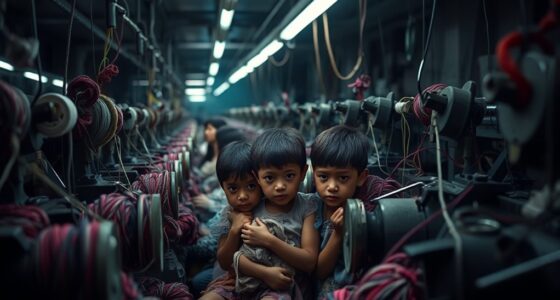
The life cycle of tights starts with extracting oil, which is refined into fibers like spandex and synthetics. These are then transformed through manufacturing, dyeing, and finishing processes into your tights. After use, many end up in landfills or recycling systems, impacting the environment. If you want to understand how sustainable practices, advances in materials, and industry standards shape each stage, there’s more to explore below.
Key Takeaways
- Tights begin as petroleum-based raw materials derived from crude oil refining processes.
- Manufacturing involves chemical processing, dyeing, and finishing to produce colored, durable tights.
- Distribution and consumer use impact environmental footprint through transportation, care, and durability.
- End-of-life disposal often results in waste, with options like recycling or biodegradable fibers influencing environmental impact.
- Overall lifecycle includes extraction, production, usage, and waste management, affecting ecological sustainability.

EVERSWE Women's 80 Den Soft Opaque Tights, Women's Tights (Large-X-Large, Natural)
MATERIAL: 85%Polyamide, 15% Spandex, super soft microfiber yarn. 80 Denier, medium thickness, solid opaque color
As an affiliate, we earn on qualifying purchases.
As an affiliate, we earn on qualifying purchases.
Raw Material Sourcing and Extraction

Raw material sourcing and extraction are foundational steps in tights production, primarily involving the procurement of petroleum-based fibers like spandex and synthetic materials. You rely on oil extraction from drilling sites worldwide, where crude oil is refined into various petrochemicals. These chemicals serve as the raw feedstock for producing fibers used in tights. The process begins with extracting fossil fuels, which are then processed in refineries to create the polymers needed for manufacturing. As you select raw materials, you may encounter options like recycled or blended fibers, reflecting a shift toward sustainability. However, traditional petroleum-based sources still dominate due to their cost-effectiveness and desirable elastic properties. This stage is critical, setting the environmental footprint and influencing the overall sustainability of the finished tights. Additionally, advancements in chemical processing are improving the efficiency and environmental impact of fiber production. Moreover, ongoing research into alternative biobased polymers aims to reduce reliance on fossil fuels and lessen environmental harm. Efforts to develop more sustainable fibers are also gaining momentum within the industry to address ecological concerns. Incorporating innovative material technologies can further enhance environmental sustainability in fiber manufacturing.

Three Ships – Bright & Tight Biodegradable Eye Mask Set | 4 Sets to Help Depuff and Firm Under Eyes
WHAT IT IS: Refresh your under-eyes on the go with this quartet of fully biodegradable, dermatologist-tested, deeply hydrating…
As an affiliate, we earn on qualifying purchases.
As an affiliate, we earn on qualifying purchases.
Textile Manufacturing and Processing
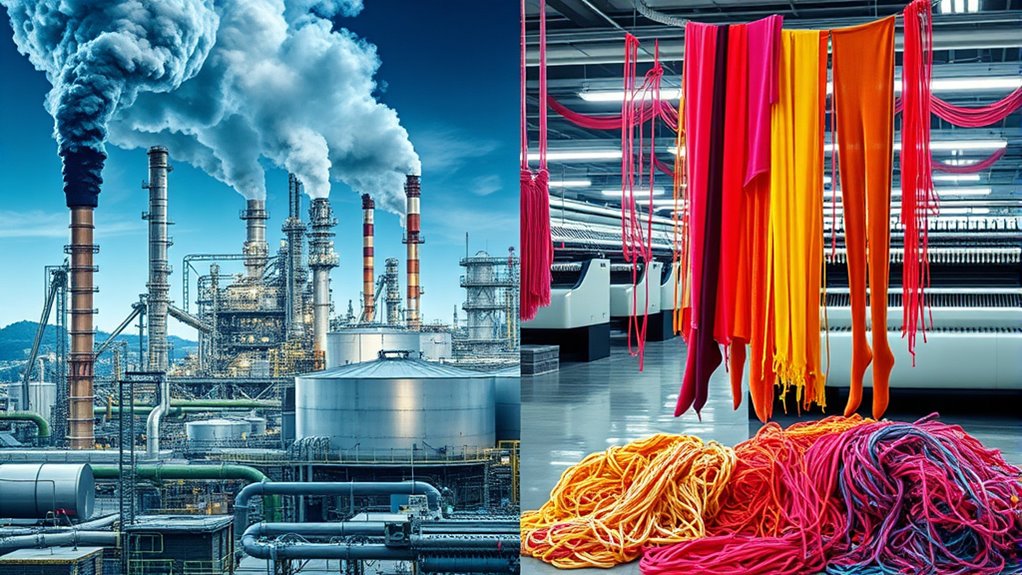
When you look at textile manufacturing and processing, you’ll see how dyeing and finishing add color, texture, and durability to tights, but they also generate significant emissions. Modern manufacturing technologies, like seamless 3D knitting, improve efficiency and product quality while reducing waste. Additionally, innovations in sustainable practices are helping to minimize the environmental footprint of production processes. Implementing cybersecurity measures in manufacturing systems is also crucial to protect sensitive data and maintain operational integrity. Incorporating vertical storage solutions and other organizational strategies can further enhance efficiency and sustainability in manufacturing facilities. Staying informed about industry trends can help manufacturers adapt to environmental standards and technological advancements more effectively. Utilizing fraud prevention tools can ensure secure transactions and protect manufacturing stakeholders from cyber threats.
Raw Material Sourcing
The sourcing of materials for tights begins with extracting fibers from both natural and synthetic origins, which directly influences product quality and sustainability. Natural fibers like cotton and wool are renewable but often require intensive water and land use, raising environmental concerns. Synthetic fibers such as nylon and polyester are derived from petroleum, making them resource-intensive and contributing to pollution. Recently, manufacturers are turning to recycled fibers and innovative blends to reduce environmental impact. Recycled fibers are increasingly being used as a sustainable alternative, helping to minimize waste and conserve resources. Spandex, essential for elasticity, is also petroleum-based, adding to the carbon footprint. The choice of raw materials affects not only performance but also the lifecycle’s sustainability. By prioritizing eco-friendly sources and recycled content, you help mitigate environmental impacts and promote a more responsible textile industry. Additionally, material innovation continues to play a crucial role in developing more sustainable tights options, including the development of bio-based fibers that further reduce reliance on fossil fuels.
Dyeing and Finishing
Did you know that dyeing and finishing processes are among the most energy-intensive steps in textile manufacturing? During dyeing, large amounts of water, chemicals, and energy are used to impart color to the fabric, often resulting in high emissions. Finishing treatments, like softening, waterproofing, and adding moisture-wicking properties, require additional chemicals and energy inputs. These processes not only consume significant resources but also generate waste and wastewater that need careful management. Advances in eco-friendly dyes and low-impact finishing methods aim to reduce environmental impact. Techniques such as digital printing use less water and energy, while bio-based finishes cut chemical use. Additionally, implementing sustainable manufacturing practices can significantly decrease the environmental footprint of textile production. Incorporating energy-efficient technologies in dyeing and finishing can further reduce resource consumption and emissions. By adopting sustainable dyeing and finishing practices, you can help minimize the tights’ overall carbon footprint and promote a greener textile industry. Moreover, adopting water recycling systems can help conserve water and reduce wastewater discharge from these processes.
Manufacturing Technologies
Advancements in textile manufacturing technologies are transforming how tights are produced, making processes more efficient and sustainable. These innovations focus on reducing waste, energy use, and environmental impact. Here are three key developments:
- Seamless 3D knitting technology – creates tights with minimal waste, improves fit, and enhances durability.
- Moisture-wicking and breathability enhancements – improve comfort and performance, catering to active lifestyles.
- Eco-friendly dyeing and finishing – reduce emissions and water consumption, supporting sustainability goals.
These technologies enable manufacturers to produce high-quality tights faster and with less environmental impact. By adopting these methods, you help shift the industry toward greener, smarter production. As innovation continues, expect more eco-conscious materials and smarter manufacturing processes shaping the future of tights. Incorporating sustainable manufacturing practices can further enhance the industry’s environmental responsibility.

EVERSWE Women's Super Opaque Microfiber Tights 120D (Brown,S/M)
120 denier leg for complete coverage, a shaped-to-fit leg ensures uniform color from the toe up.
As an affiliate, we earn on qualifying purchases.
As an affiliate, we earn on qualifying purchases.
Dyeing, Finishing, and Quality Control
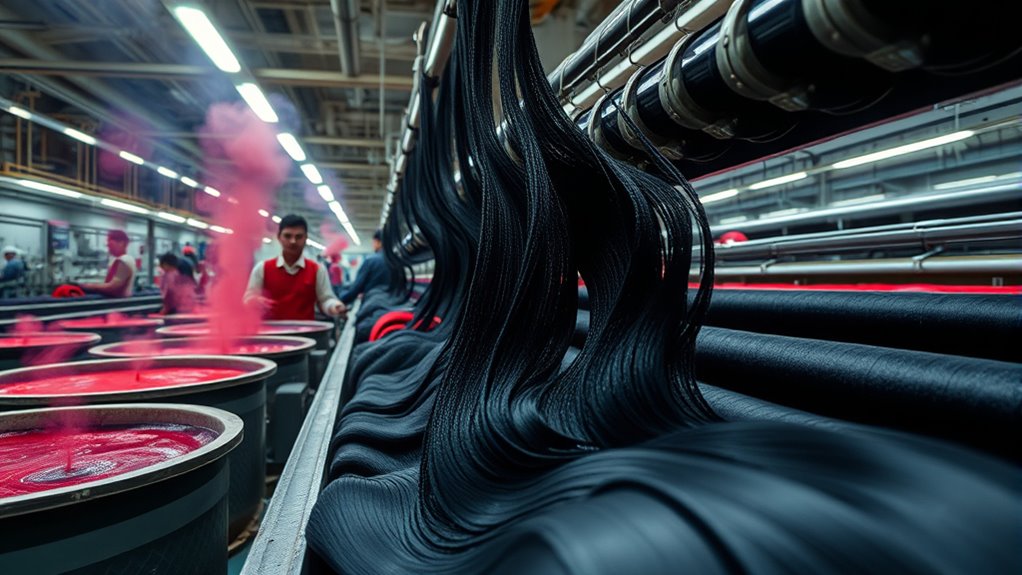
Dyeing, finishing, and quality control are essential steps that guarantee tights meet both aesthetic and performance standards. During dyeing, you apply color uniformly, often using eco-friendly methods to reduce chemical waste and water consumption. Finishing treatments enhance properties like softness, durability, and moisture-wicking, ensuring your tights perform well and feel comfortable. Quality control involves rigorous inspection for defects, color consistency, and fabric integrity, preventing subpar products from reaching consumers. Modern processes incorporate automation and advanced testing to detect flaws early, saving time and resources. These steps also focus on minimizing environmental impact by reducing chemical use and energy consumption. Additionally, implementing quality assurance practices ensures consistent product standards across production batches. Applying innovative dyeing techniques can also improve color fastness and reduce environmental footprint. Ultimately, meticulous dyeing, finishing, and quality checks ensure your tights look great, last longer, and meet industry standards for sustainability and performance.

EVERSWE Women's 80 Den Soft Opaque Tights, Women's Tights (S/M, Totally Black)
MATERIAL: 85%Polyamide, 15% Spandex, super soft microfiber yarn. 80 Denier, medium thickness, solid opaque color
As an affiliate, we earn on qualifying purchases.
As an affiliate, we earn on qualifying purchases.
Product Design and Technological Innovations
You can see how smart textiles and seamless manufacturing techniques are transforming tights design by improving fit, comfort, and functionality. These innovations let you enjoy features like moisture-wicking, temperature regulation, and personalized sizing. As technology advances, expect even more integrated solutions that boost performance and sustainability. The integration of advanced coating techniques can further enhance durability and environmental friendliness in future tights. Additionally, ongoing research into manufacturing processes ensures that production becomes more efficient and eco-conscious. Implementing sustainable materials is also gaining momentum, contributing to greener manufacturing practices and reducing environmental impact.
Smart Textile Integration
Smart textile integration is transforming tights by embedding technology directly into the fabric, allowing for enhanced functionality and personalized comfort. You can now experience features like temperature regulation, moisture-wicking, and health monitoring without sacrificing style. Here are three innovations to watch:
- Temperature Regulation: Yarns that adapt to your body’s heat, keeping you comfortable in any environment.
- Sensor Integration: Textiles embedded with sensors that track movement, posture, or health metrics in real time.
- Interactive Features: Tights with RFID tags or conductive fibers that enable touch-responsive controls or connectivity with devices. Additionally, the use of cutting-edge textile materials ensures durability and flexibility for everyday wear.
These advancements make tights smarter, more adaptable, and tailored to your lifestyle, blending fashion with cutting-edge technology seamlessly.
Seamless Manufacturing Techniques
Seamless manufacturing techniques are revolutionizing how tights are designed and produced, offering significant improvements in both efficiency and product quality. With technologies like 3D knitting, you can create tights in a single, continuous process, eliminating seams and reducing material waste. This method allows for precise control over fit, ensuring better comfort and durability. You can also incorporate advanced features such as targeted compression zones or moisture-wicking properties directly into the fabric, streamlining design and functionality. Seamless production minimizes manufacturing steps, cuts energy consumption, and shortens lead times. As a result, you can respond quickly to market trends and consumer demands. Overall, these innovations enhance product performance while supporting sustainability goals by reducing waste and resource use.
Distribution, Retail, and Consumer Use
How tights are distributed, sold, and used considerably influences their environmental footprint and sustainability efforts. Your choices impact resource use and waste generation. Here’s what to contemplate:
How tights are distributed and used greatly impacts their environmental footprint and sustainability.
- Distribution channels: Fast shipping and global logistics increase carbon emissions, while local sourcing reduces transportation impact.
- Retail practices: Stores with minimal packaging and eco-friendly displays lower environmental burdens.
- Consumer use: Proper care extends tights’ lifespan, reducing waste and the need for frequent replacements.
Your purchasing habits and how you care for tights directly affect their sustainability. Opting for brands that prioritize eco-friendly transportation, sustainable packaging, and durable products can make a difference. Using tights responsibly and extending their life helps minimize environmental impact downstream. Every step you take influences the overall life cycle of tights.
Environmental Footprint and Carbon Emissions

The environmental footprint of tights varies considerably depending on their design and materials, with carbon emissions ranging from 2.58 to 22.71 kilograms of CO₂e per pair. You’ll notice that heavier, more durable tights tend to produce higher emissions because of increased raw material use and energy during manufacturing. The dyeing process contributes notably, releasing about 0.22 kg CO₂e per pair. Since raw materials like synthetic fibers derived from petroleum account for a substantial share of emissions, switching to recycled or bio-based fibers can lower your product’s impact. Additionally, the overall carbon footprint correlates directly with the tights’ mass. By choosing lightweight, sustainable options, you can help reduce environmental harm. Manufacturers are increasingly adopting eco-friendly materials and processes to cut emissions, aligning with consumer demand for greener fashion.
Waste Management and Recycling Strategies

Waste management and recycling strategies are gaining momentum as manufacturers seek to minimize environmental impact throughout the tights lifecycle. To achieve this, they focus on three key approaches:
- Implementing closed-loop recycling programs that transform used tights into new products, reducing landfill waste.
- Developing biodegradable fibers that break down naturally, addressing disposal issues at the end of a tights’ life.
- Adopting zero-waste packaging to lower overall material consumption and waste generation.
These strategies aim to create a circular economy where materials are reused and recycled efficiently. By embracing these practices, you help reduce pollution, conserve resources, and support sustainability goals within the fashion industry. Your choices can drive industry-wide change toward more responsible waste management.
Emerging Sustainable Practices and Future Technologies

Emerging sustainable practices and future technologies are transforming the tights industry by enabling more eco-friendly production and innovative products. You’ll see advancements like AI-driven design, 3D printing for custom shapes, and robotics reducing waste and improving efficiency. Smart textiles with RFID tags and temperature regulation enhance functionality, while biodegradable fibers address end-of-life disposal. Circular economy initiatives promote recycling and reuse, and on-demand manufacturing minimizes excess inventory. These innovations help lower emissions, reduce resource use, and meet growing consumer demand for sustainable options. Here’s a quick overview:
| Innovation | Impact |
|---|---|
| 3D Printing | Customization, waste reduction |
| Biodegradable Fibers | Eco-friendly disposal |
| AI & Robotics | Efficient, low-waste production |
| Smart Textiles | Increased functionality and longevity |
| Circular Economy | Reuse and recycling |
Policies, Regulations, and Industry Standards

As the tights industry grows, policymakers and industry stakeholders are establishing policies, regulations, and standards to guarantee sustainable practices and product safety. You should pay attention to these key developments:
- Environmental regulations limit emissions from raw material extraction and manufacturing, pushing companies to adopt greener processes.
- Product safety standards ensure tights meet health requirements, covering fiber safety, dye toxicity, and durability.
- Circular economy policies promote recycling, biodegradable fibers, and waste reduction initiatives to minimize environmental impact.
These measures encourage transparency, accountability, and innovation. They also influence manufacturing practices and market offerings, guiding the industry toward more sustainable and safe products. Staying compliant helps brands maintain reputation and meet evolving consumer expectations.
Frequently Asked Questions
How Do Different Fiber Blends Impact Tights’ Durability and Environmental Footprint?
You’ll find that fiber blends considerably influence tights’ durability and environmental footprint. Combining synthetic fibers like spandex with recycled or natural materials enhances longevity, reducing waste and the need for frequent replacements. Sustainable blends lower emissions during production and end-of-life disposal. Choosing eco-friendly fibers and innovative blends helps you enjoy durable tights while minimizing environmental impact, aligning your fashion choices with sustainability goals and promoting a cleaner planet.
What Are the Challenges in Scaling Recycled Fiber Production for Tights Manufacturing?
You face several challenges when scaling recycled fiber production for tights. Limited fiber quality consistency makes it hard to meet performance standards, while high processing costs hinder affordability. Ensuring supply chain reliability is tough, and recycling technologies need further innovation to handle blended fibers efficiently. Additionally, developing sustainable, high-quality recycled fibers that match traditional materials is essential to expand production and satisfy consumer demand.
How Does Consumer Behavior Influence Sustainable Innovation in Hosiery?
When you choose eco-friendly tights, you directly inspire brands to innovate sustainably. Your demand for recycled fibers and organic materials encourages manufacturers to invest in greener technologies and develop smarter, more sustainable products. As your preferences shift toward environmentally conscious options, companies feel the pressure to prioritize innovation that reduces waste and carbon footprints. Your choices shape the market, making sustainable hosiery a standard rather than an exception.
What Role Do Certifications Play in Verifying Sustainability Claims for Tights?
Certifications play a vital role in verifying sustainability claims for tights by providing trusted standards that guarantee manufacturers meet environmental and social criteria. They help you identify genuinely eco-friendly products, hold brands accountable, and promote transparency. When you look for certifications like GOTS or OEKO-TEX, you can confidently choose tights that align with your values, encouraging manufacturers to prioritize sustainable practices and improve industry accountability.
How Are End-Of-Life Options Integrated Into the Design of Eco-Friendly Tights?
You can see end-of-life options integrated into eco-friendly tights through thoughtful design choices. Manufacturers often incorporate biodegradable or recyclable fibers, making disposal easier and less harmful. Some tights are crafted with circular economy principles, enabling seamless recycling or composting. Additionally, zero-waste patterns and durable materials extend product life, encouraging reuse. By focusing on these design elements, you support sustainability and reduce environmental impact at the end of the tights’ lifecycle.
Conclusion
Remember, every choice you make impacts the planet. From selecting sustainable tights to recycling when you’re done, you hold the power to make a difference. As the saying goes, “A little goes a long way.” By being mindful of your wardrobe’s life cycle, you help reduce waste and support greener practices. So, next time you slip into your tights, consider their journey from oil to waste—and choose wisely.