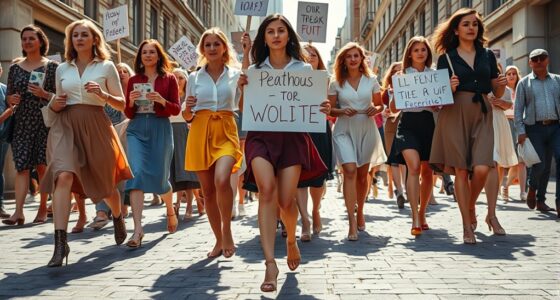
Tights still spark debate in modern dress codes because they symbolize the tension between tradition and individual expression. They blur formal and casual boundaries, making them a versatile yet controversial choice across different settings. Cultural and societal attitudes influence whether they’re seen as professional or rebellious. Plus, their association with femininity and growing acceptance as gender-neutral wear challenge outdated norms. If you want to understand how these debates continue to evolve, keep exploring the layers behind this fashion staple.
Open a free Amazon Business account
Business pricing, bulk buying and tax-exempt orders.
As an affiliate, we earn on qualifying purchases.
Key Takeaways
- Tights blur the line between formal and casual wear, challenging traditional dress code boundaries.
- Cultural perceptions vary, seeing tights as either professional or provocative, fueling ongoing debates.
- Evolving fashion trends push the limits of appropriateness, causing dress code disagreements.
- Tights’ association with femininity and gender expression prompts reevaluation of gender-specific dress standards.
- Societal attitudes toward modesty, rebellion, and individual expression influence dress code acceptance of tights.
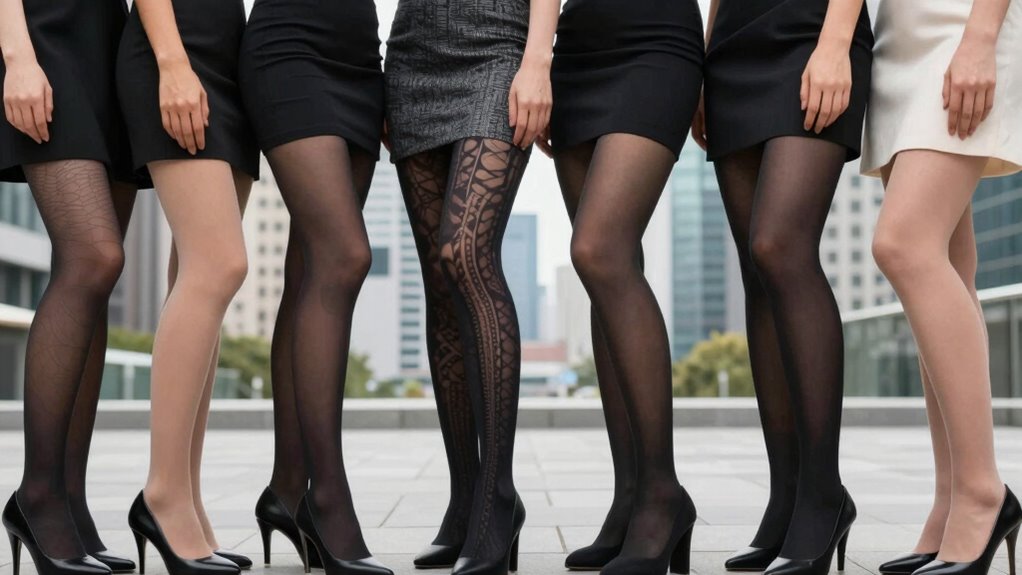
Tights have become a versatile staple in many dress codes, blurring the lines between formal and casual attire. You might wear them to a business meeting, a night out, or even a casual brunch, and they often serve as a bridge between different styles. This adaptability highlights their role in the ongoing fashion evolution, where traditional boundaries are continually challenged. But despite their practicality and popularity, tights still spark debate in modern dress codes, largely because of their cultural implications. Different cultures and social contexts interpret tights in varying ways, influencing whether they’re seen as appropriate or provocative. For some, tights symbolize professionalism and sophistication, especially when paired with tailored skirts or dresses. For others, they might carry connotations of modesty or, conversely, rebellion, depending on the setting and the way they’re styled. This layered symbolism contributes to ongoing discussions about what’s acceptable, especially in environments that value tradition or have strict dress standards.
The fashion evolution of tights reflects broader societal shifts toward greater individual expression. Over the decades, tights have moved from purely functional or utilitarian garments to fashion statements. During the 1960s and 70s, they became symbols of liberation, allowing women to experiment with colors, patterns, and textures that challenged conservative norms. Today, designers push the envelope even further, incorporating metallics, sheer panels, and intricate patterns that make tights a focal point of personal style. Yet, this constant evolution keeps tights at the center of debates about appropriateness. Some argue that their versatility makes them suitable for all settings, while others believe they can be too revealing or provocative depending on the context. This tension is especially evident in workplaces, schools, and formal events, where dress codes often struggle to keep pace with changing fashion trends. Recognizing how fashion trends influence perceptions can help clarify why tights continue to provoke diverse opinions and debates. Additionally, the perception of tights can be shaped by broader societal attitudes towards cultural norms, which vary significantly across different regions and communities. Moreover, the ongoing discussion about tights also reflects the broader societal conversations around gender expression and how clothing choices can serve as a form of personal identity.
The cultural implications of tights are further complicated by their role in gender expression and identity. They are often associated with femininity, but many now challenge that notion by wearing tights as a gender-neutral or even gender-defying fashion choice. This shift influences dress codes, prompting institutions and individuals to reevaluate what’s considered acceptable attire. As fashion continues to evolve, tights remain a symbol of both tradition and innovation, making them a perpetual point of contention. Whether seen as empowering or inappropriate, they embody the fluidity of modern dress standards, reflecting society’s ongoing negotiations around identity, modesty, and self-expression. In this way, tights are much more than just clothing—they are a lens through which we view changing cultural values and fashion’s dynamic evolution.
As an affiliate, we earn on qualifying purchases.
Frequently Asked Questions
Are Tights Considered Appropriate for Formal Business Settings?
Yes, tights are generally considered appropriate for formal business settings, especially when paired with professional attire like dresses or skirts. Unlike casual wear or athletic use, tights add a polished look and maintain modesty. They’re versatile, helping you stay comfortable while adhering to dress codes. Just make certain the tights are neutral in color and free of patterns, keeping your outfit business-appropriate and sophisticated.
How Do Cultural Differences Influence Tights Acceptance Globally?
Cultural differences greatly influence how you perceive tights acceptance worldwide. In some regions, traditional values and cultural norms favor modesty, making tights widely accepted as part of everyday attire, especially in formal settings. Conversely, in cultures where individual expression and fashion diversity are prioritized, tights might be seen as optional or even unnecessary. Your understanding of local customs shapes whether tights align with societal expectations or challenge traditional dress standards.
Can Tights Be Worn as Part of a Conservative Dress Code?
Yes, tights can be part of a conservative dress code, offering casual versatility and enhancing overall modesty. You can choose neutral or opaque tights that complement your outfit, making them suitable for formal or religious settings. Their fashion versatility allows you to maintain a polished look while adhering to conservative standards. Properly selected tights help you look elegant and respectful, seamlessly blending style with modesty in various conservative environments.
What Are the Environmental Impacts of Manufacturing Tights?
You can’t judge a book by its cover, and the same goes for tights. Manufacturing tights impacts the environment through emissions and waste, especially if they’re made from non-sustainable materials. Choosing tights made from sustainable materials reduces manufacturing emissions and environmental harm. By paying attention to eco-friendly options, you help lessen the fashion industry’s footprint and promote more responsible production practices.
How Have Tights Evolved in Fashion Over the Decades?
You’ve seen tights evolve from their origins in the early 20th century, influenced by historical trends like the flapper era and post-war fashion. Material innovations, such as nylon and spandex, revolutionized their stretch, durability, and comfort. Over decades, tights shifted from utilitarian wear to stylish accessories, reflecting changing societal norms and fashion trends. Today, they remain versatile, blending functionality with bold style statements in modern wardrobes.
As an affiliate, we earn on qualifying purchases.
Conclusion
So, next time you see tights in a dress code debate, remember how a simple wardrobe choice can ignite discussions about tradition, comfort, and professionalism. It’s funny how something as small as tights can spark such big conversations, isn’t it? Just like how a chance encounter can change your day, a pair of tights can challenge long-standing norms. Maybe it’s time to embrace the debate — after all, fashion’s about expression, not just rules.
As an affiliate, we earn on qualifying purchases.
As an affiliate, we earn on qualifying purchases.
Flea & tick season Picks
flea and tick prevention
As an affiliate, we earn on qualifying purchases.