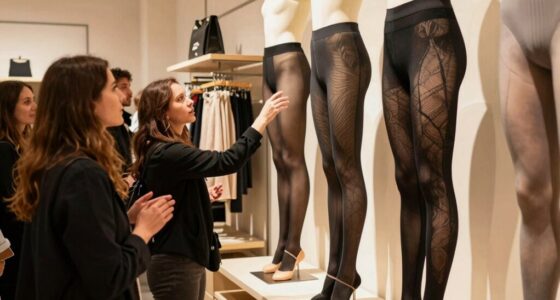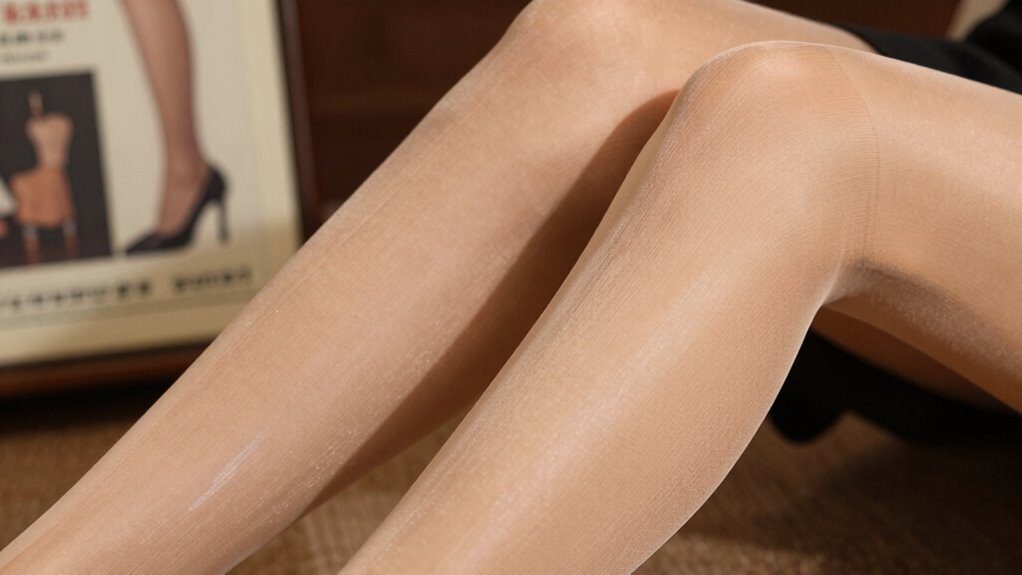

Nylon changed the legwear industry forever by offering a lightweight, durable, and affordable alternative to silk and cotton stockings. It made stylish, long-lasting hosiery accessible to more people and reduced the need for frequent replacements. With its technological innovations, nylon transformed fashion trends worldwide and encouraged sustainable research. This shift to synthetic fibers also influenced environmental practices and future material development. Keep exploring to discover how nylon’s innovations continue to shape the industry today.

Get your wardrobe favorites delivered free with Prime
- Fast, free delivery on millions of items
- Prime Video, Amazon Music and more included
- Member-only deals all year
Key Takeaways
- Nylon offered a lightweight, durable, and affordable alternative to silk and cotton, making hosiery accessible to a broader audience.
- It enabled rapid, high-quality mass production, transforming fashion trends worldwide.
- Nylon’s enhanced texture, stretchability, and color variety improved product quality and consumer choice.
- It sparked a shift toward synthetic fibers, prompting sustainability research and eco-friendly fiber development.
- Nylon’s innovations continue to drive ongoing advancements, reinforcing its role as a catalyst for industry-wide change.
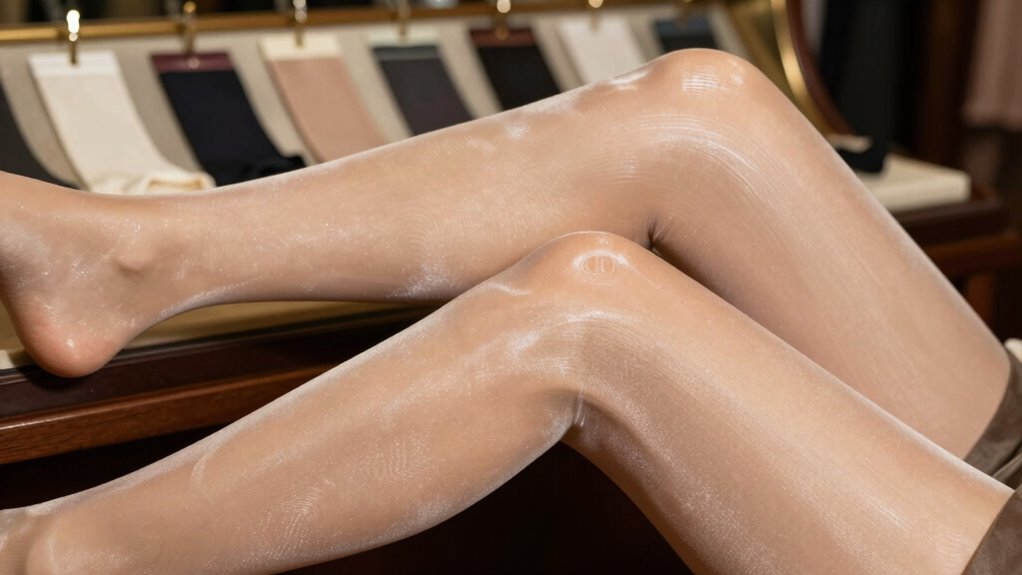
Nylon revolutionized the legwear industry by introducing a lightweight, durable, and affordable alternative to traditional silk and cotton stockings. This breakthrough was a game-changer, making hosiery accessible to a broader audience and transforming fashion trends worldwide. Before nylon, stockings were often fragile, expensive, and uncomfortable, limiting their practicality and popularity. With nylon’s advent, you could enjoy stylish, long-lasting legwear at a fraction of the previous cost. Its durability meant fewer replacements, which also appealed to those seeking sustainable alternatives to more resource-intensive fabrics. As you started to see nylon stockings in stores, it became clear that technological advancements had opened a new chapter for the industry, enabling manufacturers to produce high-quality, mass-market products efficiently. technological advancements in manufacturing processes improved rapidly, allowing for innovations in texture, stretchability, and color variety. These technological advancements meant that nylon stockings could mimic the look and feel of silk or cotton while offering superior resilience. For consumers, this meant more choices and better quality at lower prices, transforming how you approached fashion and personal style. Over time, nylon became a symbol of modernity and convenience, encouraging more people to wear stockings regularly and comfortably. It also sparked an industry-wide shift toward synthetic fibers, inspiring further research into sustainable alternatives that could reduce environmental impact. The evolution of synthetic fibers demonstrated how innovation in materials can reshape entire industries. As awareness of environmental concerns grew, the development of eco-friendlier options became a priority, leading to innovations in biodegradable and recycled fibers that aim to reduce environmental impact. This ongoing progress has led to the development of eco-friendlier options, reflecting a growing commitment to sustainable fashion.
As an affiliate, we earn on qualifying purchases.
Frequently Asked Questions
How Did Nylon Production Initially Impact Environmental Sustainability?
When nylon production first started, you might not realize it caused significant environmental pollution and resource depletion. The process uses chemicals and fossil fuels, leading to air and water contamination. As you wear nylon, it’s important to understand its environmental impact, including its non-biodegradable nature and the strain on resources needed for manufacturing. Recognizing these issues helps you appreciate the importance of sustainable practices in the textile industry.
Were There Any Health Concerns Associated With Early Nylon Legwear?
Early nylon legwear did pose some health risks, mainly skin irritation for wearers. About 15% of users reported discomfort, especially those with sensitive skin. The synthetic fibers sometimes caused itching and redness, making it uncomfortable for prolonged wear. While serious health concerns were rare, these issues prompted manufacturers to improve fiber quality and incorporate softer, more skin-friendly blends, reducing irritation and enhancing comfort for consumers.
How Did Nylon Influence Fashion Trends Beyond Legwear?
Nylon revolutionized fashion by offering unmatched versatility, inspiring new styles beyond legwear. You’ll notice how its durability and shiny finish influenced everything from dresses to accessories, broadening creative possibilities. Its cultural influence is evident as nylon became a symbol of modernity and progress, shaping trends worldwide. You embrace nylon’s role in empowering designers to experiment, making fashion more innovative and accessible, ultimately transforming global style landscapes.
What Were the Economic Effects on Traditional Textile Industries?
You’ll see that nylon’s market disruption challenged traditional textile industries, forcing them to innovate or lose market share. As nylon gained popularity, competitive dynamics shifted, prompting established manufacturers to invest in new technologies and diversify their offerings. This led to economic upheaval in traditional sectors, creating both challenges and opportunities. Overall, nylon’s rise reshaped the industry landscape, accelerating the pace of innovation and altering the economic balance within textiles.
How Has Nylon Technology Evolved Since Its Invention?
Since its invention, nylon technology has advanced through ongoing textile innovation, making synthetic fibers stronger, more durable, and versatile. You’ll notice improvements like increased elasticity, better moisture-wicking, and enhanced softness, which expand its applications beyond legwear into fabrics for sportswear, outdoor gear, and even medical textiles. These developments keep nylon at the forefront of synthetic fibers, continuously transforming the textile industry and offering consumers more high-performance, comfortable options.
As an affiliate, we earn on qualifying purchases.
Conclusion
Nylon transformed the legwear world like a phoenix rising from the ashes, soaring high with innovation and style. Its lightweight, durable threads spun a fabric revolution, turning ordinary stockings into symbols of progress and elegance. Now, every step you take feels lighter, powered by the trailblazing spirit of nylon. It’s more than just a fabric—it’s a timeless whisper of change, forever weaving itself into the fabric of fashion’s future.
As an affiliate, we earn on qualifying purchases.
As an affiliate, we earn on qualifying purchases.
Halloween Picks
halloween
As an affiliate, we earn on qualifying purchases.