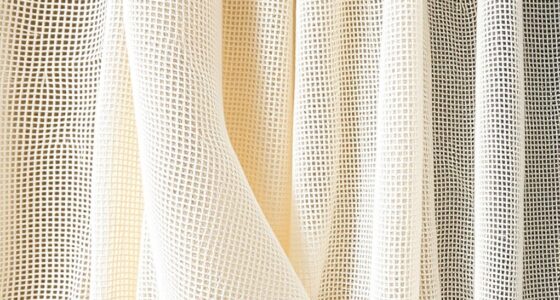
Microfiber weaves affect transparency by controlling how light interacts with the fabric. Thinner fibers, looser weaves, and lower density allow more light to pass through, creating a sheer look. Tighter weaves and denser materials scatter more light, making fabrics more opaque. Surface treatments and fiber alignment also influence how much light reflects or transmits. To understand the complex physics behind these effects, keep exploring how weave patterns and material properties interplay.
Key Takeaways
- Thinner microfiber fibers allow more light to pass through, increasing fabric transparency and sheerness.
- Looser weaves create larger gaps between fibers, enabling greater light transmission and a more sheer appearance.
- Denser weaves scatter more light, reducing transparency and resulting in a more opaque fabric.
- Fiber alignment and arrangement influence light reflection and transmission, affecting the fabric’s transparency level.
- Surface treatments and fiber properties, such as reflectivity and dye absorption, further modify how light interacts with microfiber weaves.
The Composition of Microfiber Fabrics
Microfiber fabrics are made from very fine synthetic fibers, typically polyester or nylon, that are considerably thinner than traditional fabrics. Their fiber chemical composition influences their durability, softness, and appearance. Polyester fibers consist of long chains of ester molecules, providing strength and resistance to stretching, while nylon offers elasticity and durability. These compositions affect dye penetration properties, allowing dyes to seep easily into the fibers, resulting in vibrant, uniform colors. The fine diameter of microfiber fibers creates a dense fabric that can be both lightweight and strong. This composition also impacts how light interacts with the fabric, influencing transparency and sheer qualities. Additionally, the fiber diameter plays a crucial role in determining the fabric’s translucency and softness, impacting its sheer characteristics. Overall, understanding the fiber chemical makeup helps explain the unique physical and aesthetic features of microfiber fabrics.
Light Transmission and Fabric Transparency
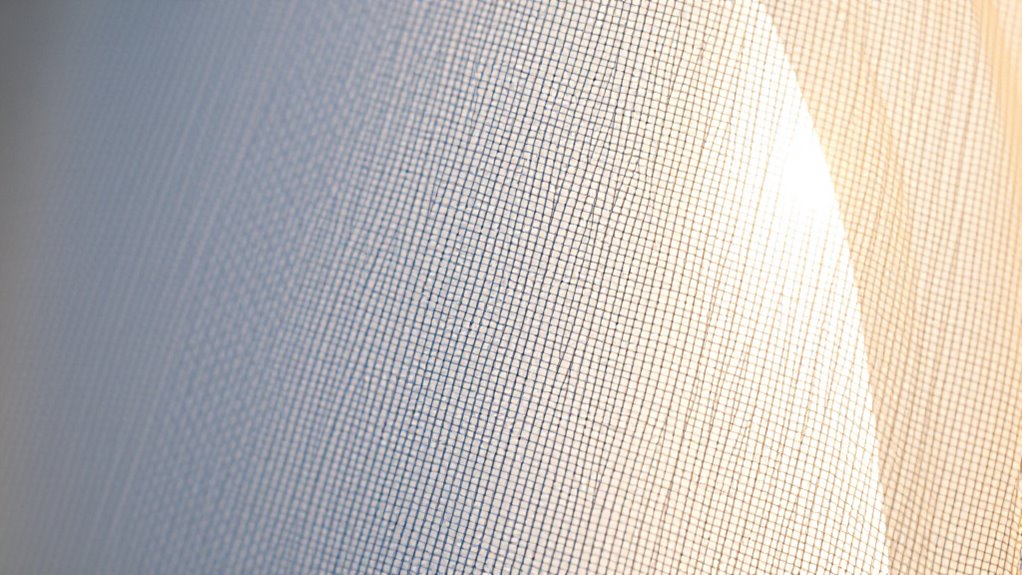
Your choice of fiber density affects how much light passes through the fabric, making it more or less transparent. The tightness of the weave determines clarity, with looser weaves allowing more light to transmit. Material thickness also plays a role, as thinner fabrics generally let in more light than thicker ones.
Fiber Density and Light
Fiber density plays a crucial role in determining how much light passes through a fabric, directly affecting its transparency. Higher fiber density means fewer gaps for light to travel through, making the fabric less transparent. When light encounters fibers, fiber polarization and light polarization influence how much light is transmitted or reflected. Fiber technology also affects how these properties interact, further shaping the transparency of the fabric.
Consider these key points:
- Denser fabrics reduce light transmission by increasing fiber interactions.
- Fiber polarization can be affected by fiber arrangement, impacting transparency.
- Light polarization shifts as it interacts with fibers, influencing clarity.
Understanding fiber density helps you predict how transparent a fabric will appear. By controlling fiber arrangements, manufacturers can manipulate light polarization effects to enhance or reduce transparency, shaping the sheer quality of your textiles.
Weave Tightness and Clarity
The tightness of the weave directly influences how much light can pass through a fabric, affecting its overall transparency. A looser weave allows more light to transmit, creating a sheer, airy appearance, while a tighter weave reduces transparency. Fiber strength plays a role here; stronger fibers enable tighter weaving without compromising fabric integrity, which can decrease light transmission. Additionally, weave tightness affects dye absorption: tightly woven fabrics absorb dyes differently, often resulting in richer, more uniform coloration that can impact how transparent the fabric appears. If dye absorption is uneven, it can create visual inconsistencies that affect clarity. Ultimately, by adjusting weave tightness, you control both how much light passes through and how the fabric’s color and clarity are perceived. Understanding the weaving techniques used can further enhance your ability to manipulate fabric transparency and appearance.
Material Thickness Influence
How does material thickness impact light transmission and fabric transparency? Thicker fabrics reduce light passing through, making them less sheer. This is because increased thickness enhances fiber elasticity, which can lead to more fiber overlap and fewer gaps for light to penetrate. Additionally, dye penetration becomes more challenging in thicker materials, affecting color evenness and transparency. To understand this better:
- Thinner fabrics allow more light transmission, resulting in increased transparency.
- Increased thickness diminishes fiber elasticity’s role in maintaining a sheer look.
- Dye penetration is limited in thicker fabrics, impacting color vibrancy and overall clarity.
Fiber Diameter and Its Impact on Sheerness

You’ll notice that thinner fibers make fabrics more transparent, allowing more light to pass through. In contrast, larger fibers tend to reduce sheerness, creating a more opaque appearance. Fiber diameter directly affects light transmission, shaping how sheer or solid your fabric appears.
Thinner Fibers Increase Transparency
As fiber diameter decreases, transparency naturally increases because thinner fibers allow more light to pass through with less scattering. When fibers are finer, your fabric becomes more sheer, revealing more of what’s behind. This also influences fiber properties:
- Enhanced translucency—smaller fibers let light pass more easily, boosting sheerness.
- Maintained fiber elasticity—even with thinner fibers, the fabric can stay flexible, preventing stiffness.
- Fabric durability—carefully manufactured thin fibers can remain strong and resistant to wear, ensuring longevity.
- Best anime movies can showcase the importance of detailed craftsmanship in fiber design and weaving techniques.
Larger Fibers Reduce Sheerness
When fiber diameter increases, the sheerness of the fabric diminishes because larger fibers scatter and block more light, making the material less transparent. Thicker fibers tend to have lower fiber elongation, which reduces their flexibility and ability to conform tightly, further decreasing transparency. Additionally, larger fibers often absorb dye differently, leading to less vibrant or uneven coloration, which can affect visual transparency. The increased size also limits how closely the fibers can be woven, creating more gaps that allow light to pass through but not enough to maintain a sheer appearance. Overall, bigger fibers make fabrics more opaque, decreasing sheerness, because they physically obstruct light transmission and influence dye uptake, both of which are essential for transparency. Moreover, fiber properties such as dye affinity and fiber-matrix interactions play a crucial role in determining the overall transparency of microfiber fabrics.
Fiber Diameter Influences Light Transmission
Fiber diameter directly affects how much light passes through a fabric, impacting its sheerness. Thinner fibers allow more light to transmit, creating a more transparent look, while thicker fibers block more light. The fiber’s diameter also influences fiber elasticity: finer fibers tend to stretch more, affecting how the fabric moves and feels. Additionally, smaller diameters enhance dye absorption, resulting in richer, more vibrant colors that don’t obscure transparency. Moreover, Kia Tuning techniques can modify the physical properties of fibers used in textiles, similar to how vehicle modifications alter performance characteristics.
Weave Density and Light Scattering

Have you ever wondered how the density of a woven fabric influences the way light interacts with it? Heavier, tightly woven fabrics scatter more light because the fibers are packed closely together, increasing light bouncing in different directions. This scattering reduces transparency, creating a more opaque appearance. Fiber elasticity plays a role too, as elastic fibers can stretch slightly, altering weave density temporarily and affecting how light scatters. Additionally, dye absorption can enhance light scattering; dyes within densely woven fabrics absorb certain wavelengths and diffuse others, intensifying the scatter effect. The combination of weave density, fiber elasticity, dye absorption, and filter performance determines how much light passes through or is diffused, directly impacting the sheer quality of the fabric and its visual transparency.
Reflection, Absorption, and Transmission of Light

Light interacts with woven fabrics through reflection, absorption, and transmission, each process shaping the fabric’s appearance and transparency. Reflection influences color perception, making the fabric appear shiny or matte. Absorption affects thermal insulation, as certain fibers trap heat, impacting comfort. Transmission determines how much light passes through, directly affecting transparency and the fabric’s sheer quality.
Here are three key points:
- Reflection alters how colors are perceived by your eyes, influencing the fabric’s visual appeal.
- Absorption impacts thermal insulation, helping fabrics retain or release heat.
- Transmission controls transparency, dictating how much light and visibility pass through the weave.
Understanding these processes helps you choose fabrics with desired visual and functional properties.
The Role of Fabric Thickness in Transparency
Fabric thickness plays a crucial role in determining how transparent a material appears. Thinner fabrics allow more light to pass through because they offer less material for light to traverse, enhancing transparency. Thicker fabrics, on the other hand, tend to block or diffuse light, reducing transparency. Fiber elasticity influences this effect; highly elastic fibers can stretch, temporarily altering thickness and light transmission. Additionally, dye penetration is affected by fabric thickness—thinner textiles permit deeper dye infiltration, which can impact how the fabric interacts with light and appears visually. When designing sheer fabrics, understanding these factors helps you control transparency effectively. Ultimately, fabric thickness, combined with fiber properties, shapes the delicate balance between opacity and translucency in microfiber weaves. AI integration is increasingly being used to analyze and optimize fabric designs for desired transparency levels.
How Fiber Alignment Affects Light Passage

Fiber alignment markedly influences how light passes through a fabric. When fibers are aligned parallel, light penetrates more easily, enhancing transparency. Conversely, irregular or perpendicular fibers scatter light, reducing transparency. Here are three key effects:
- Fiber strength: Proper alignment increases fiber strength, making the weave more durable and maintaining consistent transparency over time.
- Dye absorption: Aligned fibers absorb dyes uniformly, resulting in even coloration that doesn’t obscure light transmission.
- Optical clarity: Well-aligned fibers minimize scattering, allowing more light to pass through, which enhances the sheer quality of your fabric. Additionally, fiber orientation can influence the fabric’s overall visual appeal by affecting how light interacts with the surface.
Optical Properties of Different Weaving Patterns

Your choice of weaving pattern directly impacts how light interacts with fabric, affecting its opacity and transparency. Denser weaves reflect more light and block visibility, while looser patterns transmit more light. Fiber arrangement also influences reflection and transmission, shaping the fabric’s overall optical behavior. Additionally, the category of cookies used on a website can alter how visual information, including transparency effects, is displayed to users.
Weave Density and Opacity
Have you ever wondered how different weaving patterns influence a material’s transparency? Weave density plays a key role in opacity, affecting how much light passes through. Higher density fabrics with tightly packed fibers block more light, making the fabric less sheer. Conversely, lower density weaves allow more light, increasing transparency. Here are three factors to contemplate:
- Fiber color: Lighter fibers reflect more light, enhancing transparency, while darker fibers reduce it.
- Fabric elasticity: Stretching a fabric can alter weave tightness, changing its opacity.
- Weave pattern: Open weaves create gaps, making the fabric more sheer, whereas dense weaves increase opacity.
Light Reflection and Transmission
Ever wondered how different weaving patterns affect the way light interacts with fabric? Your choice of weave influences how much light is reflected or transmitted. Some patterns create a smooth surface, reflecting more light like a fiber optic mirror, reducing transparency. Others allow light to pass through more easily, increasing transmission and giving a sheer appearance. The way fibers are woven determines how light diffuses across the fabric, affecting its overall transparency. Tighter weaves tend to reflect more light, making the fabric less transparent, while looser patterns promote transmission, creating a delicate, see-through effect. Understanding these optical properties helps you select the right weave for desired sheerness and aesthetic, enhancing how fabric interacts with ambient light and influencing its visual appeal.
Fiber Arrangement Influence
The arrangement of fibers within a fabric directly impacts how light interacts with its surface. Your weaving pattern influences both optical properties and fiber durability. Consider these points:
- Tighter weaves reduce light scattering, increasing transparency but may decrease fiber durability.
- Looser patterns allow more light transmission, enhancing sheer effects but risking lower dye absorption uniformity.
- Specific weaves optimize dye absorption, resulting in vibrant colors and improved fiber durability over time.
Different arrangements affect how fibers handle light, making fabrics appear more or less transparent. A dense weave might be durable and resist wear but can limit dye absorption, dulling colors. Conversely, airy weaves enhance dye uptake but may compromise fiber strength. Knowing how fiber arrangement influences optical properties helps you choose the right weave for your desired transparency, color vibrancy, and longevity.
Material Treatments and Their Influence on Transparency

Material treatments play a pivotal role in modifying the transparency of surfaces, directly affecting how light passes through or reflects off them. Treatments such as dyeing influence dye absorption, which can alter fabric opacity and color intensity. Additionally, certain coatings enhance fabric durability, preventing wear that could increase transparency over time. These treatments can either increase or decrease transparency based on their chemical composition and application method. For example, a glossy finish may reflect more light, reducing apparent transparency, while a matte finish allows light to pass more freely. Consider the following table to understand some common treatments and their effects:
| Treatment Type | Effect on Transparency | Additional Benefits |
|---|---|---|
| Dyeing | Alters dye absorption | Color depth and vibrancy |
| Coatings | Can increase reflectivity | Fabric durability |
| Finishes | Adjust surface gloss | Wear resistance |
| Chemical Treatments | Modify fiber structure | Enhanced strength |
| UV Protection | Slight transparency reduction | UV resistance |
Practical Implications for Design and Fashion
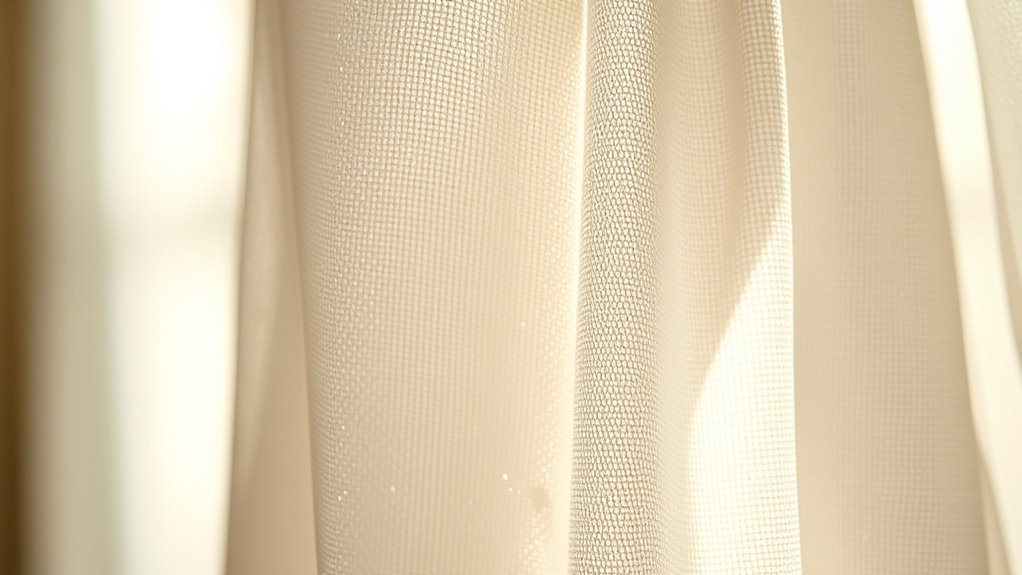
Understanding how treatments affect transparency allows designers to create fabrics and garments that meet specific aesthetic and functional goals. By manipulating microfiber weaves, you can enhance color contrast and improve aesthetic appeal. Consider these practical tips:
- Use layered sheers to balance transparency with coverage, emphasizing color contrasts for visual impact.
- Incorporate treatments that modify fiber reflectivity to highlight or soften transparency, enhancing aesthetic appeal.
- Experiment with weave density to control transparency levels, allowing you to play with color contrast for dynamic designs.
These strategies help you craft garments that are both visually striking and functional, making transparency a deliberate part of your design language. Mastering microfiber weaves empowers you to push creative boundaries while meeting your aesthetic and practical objectives.
Frequently Asked Questions
How Does Environmental Humidity Influence Microfiber Transparency?
Environmental humidity influences microfiber transparency through moisture interaction. When humidity levels rise, moisture gets absorbed into the fibers, making the weave less transparent. Conversely, lower humidity reduces moisture absorption, maintaining clearer see-through qualities. You might notice that in damp conditions, microfiber fabrics appear more opaque, while in dry environments, they stay more transparent. Understanding humidity effects helps you choose fabrics suitable for different climates, ensuring your garments look their best.
Can Microfiber Weave Techniques Be Modified to Enhance Durability and Transparency Simultaneously?
Yes, you can modify microfiber weave techniques to boost both durability and transparency. By selecting specific fiber weaves, like tighter or more open patterns, you optimize transparency enhancement without sacrificing strength. Incorporating advanced weaving methods, such as hybrid or layered weaves, allows you to balance these qualities effectively. Experimenting with different fiber densities and weave structures helps you create microfiber fabrics that are both durable and highly transparent, meeting your specific needs.
What Role Do Dyeing Processes Play in Microfiber Fabric Transparency?
Imagine dyeing microfiber fabric like filling a sponge with water. The depth of dye penetration determines how transparent or opaque the fabric appears, much like how saturated colors can obscure the weave. Higher color saturation, achieved through controlled dyeing processes, can reduce transparency, making the fabric more opaque. Conversely, lighter dyeing allows more light to pass through, enhancing transparency. Your choice in dyeing impacts both the look and feel of your microfiber.
How Do Aging and Wear Affect the Optical Properties of Microfiber Textiles?
As microfiber textiles age and wear, fiber degradation and increased surface roughness reduce their transparency. You’ll notice that worn fibers scatter light more, making the fabric appear more opaque. The surface roughness causes more light reflection and diffusion, diminishing the sheer quality. Over time, these changes compromise the fabric’s optical properties, making it less transparent and altering its original appearance and feel.
Are There Innovative Microfiber Treatments That Improve Transparency Without Compromising Strength?
Think of microfiber treatments like nanotech coatings that act as transparent armor, enhancing clarity without weakening the fabric. Innovations focus on altering the fiber cross section, making it more transparent while maintaining strength. For example, researchers developed coatings that penetrate deep into fibers, improving transparency. You’ll find these treatments in high-performance textiles, giving you fabrics that are both sheer and durable, like a window that’s crystal clear but resilient against the elements.
Conclusion
Understanding how microfiber weaves influence transparency helps you make smarter choices in fabric selection. By paying attention to fiber diameter, weave density, and fiber alignment, you control light transmission, reflection, and absorption. Recognize how pattern and treatment alter optical properties, and you’ll design with purpose, balance, and clarity. Ultimately, mastering these factors empowers you to create fabrics that are not just beautiful but also perfectly suited to your vision, your style, and your needs.