

You build recovery around more than just stretching because it’s key to preventing injuries, improving performance, and building strength. Proper recovery includes nutrition to replenish energy and repair tissues, adequate sleep to support healing, and environmental factors like clean air. Techniques like foam rolling and massage also reduce soreness and enhance flexibility. If you want to learn how combining these elements can boost your running and keep you injury-free, continue exploring these strategies.
Key Takeaways
- Recovery includes nutrition, sleep, and environmental factors that support tissue repair and energy restoration beyond stretching.
- Proper nutrition and hydration replenish glycogen and repair tissues more effectively than stretching alone.
- Sleep and rest are crucial for overall recovery, tissue repair, and preventing overtraining.
- External factors like air quality influence recovery speed and long-term health.
- Techniques such as foam rolling and massage enhance tissue repair and soreness reduction, complementing stretching.

Recovery isn’t just an afterthought for runners; it’s a crucial part of building strength, preventing injuries, and improving performance. While stretching often gets attention, focusing solely on flexibility overlooks the vital components that support your body’s repair processes. Two key aspects you should prioritize are nutrition strategies and sleep optimization. These elements work together to fuel your body, repair tissues, and restore energy levels so you can run stronger and longer. Incorporating mindful practices such as spiritual guidance can also enhance overall well-being and resilience during recovery. Your nutrition strategies play a fundamental role in recovery. After a run, your body needs the right nutrients to replenish glycogen stores, repair muscle tissue, and reduce inflammation. Consuming a balanced mix of carbohydrates and protein within the first 30 to 60 minutes after exercise maximizes recovery benefits. Think of it as filling your tank before the next run. Foods rich in antioxidants, like berries and leafy greens, also help combat oxidative stress caused by intense workouts. Hydration is equally important; water helps transport nutrients and flush out toxins. If you’ve had a particularly long or intense session, consider adding electrolyte drinks to replace lost minerals, which can prevent cramping and dehydration. Ensuring proper muscle recovery through adequate rest and recovery techniques can also prevent overtraining and promote long-term progress. Additionally, paying attention to air quality in your environment can support your overall recovery by reducing exposure to pollutants that may hinder healing. Incorporating recovery techniques such as foam rolling or massage can further enhance tissue repair and reduce soreness.

TriggerPoint Grid 1.0 Foam Roller – 13" Multi-Density Massage Roller for Deep Tissue & Muscle Recovery – Relieves Tight, Sore Muscles & Kinks, Improves Mobility & Circulation – Targets Key Body Parts
IMPROVE MUSCLE RECOVERY – Multi-density GRID features a three-dimensional surface that provides more efficient muscle recovery by promoting…
As an affiliate, we earn on qualifying purchases.
As an affiliate, we earn on qualifying purchases.
Frequently Asked Questions
How Does Nutrition Impact Recovery for Runners?
Nutrition impacts your recovery by replenishing energy and repairing muscles. You should focus on nutrient timing, eating carbs and protein soon after runs to maximize recovery. Hydration strategies are equally important; drinking enough water helps reduce soreness and prevents dehydration. Proper nutrition speeds up healing, boosts performance, and keeps you energized for your next run. Don’t overlook these aspects—they’re essential for a well-rounded recovery plan beyond just stretching.
What Role Does Sleep Play in Recovery?
Ever wonder why sleep is essential for your recovery? It plays a critical role by allowing your body to repair muscles and reduce inflammation. Prioritizing good sleep hygiene and engaging in restorative practices like deep breathing or meditation enhances this process. When you sleep well, you’re better prepared for your next run, feeling stronger and less prone to injury. Isn’t investing in quality sleep the easiest way to boost your performance?
Are There Specific Recovery Routines for Different Running Distances?
Yes, you should tailor recovery routines to your running distance. For shorter runs, focus on dynamic stretching to maintain flexibility and prevent injury. After long or intense runs, incorporate foam rolling to release muscle tension and promote blood flow. You might also add light cross-training or rest days to aid recovery. Adjusting these routines based on your distance helps optimize performance and reduces the risk of overtraining or injury.
How Can Mental Health Influence Physical Recovery?
Your mental health considerably impacts physical recovery. When you practice mindfulness techniques and prioritize stress management, you reduce cortisol levels, which helps your body heal faster. Staying mentally balanced improves sleep quality, boosts motivation, and lowers injury risk. You’ll recover more efficiently because your mind and body are working in harmony. By incorporating mental health practices into your routine, you support overall recovery and enhance your running performance.
What Are Common Signs of Overtraining?
You might notice signs of overtraining like persistent muscle fatigue and hormonal imbalance, which signal your body needs a break. If your performance plateaus or declines despite consistent training, that’s another warning sign. You could also feel unusually irritable, have trouble sleeping, or experience frequent injuries. Recognizing these signs early helps you avoid burnout, allowing your body to recover properly and maintain peak performance.
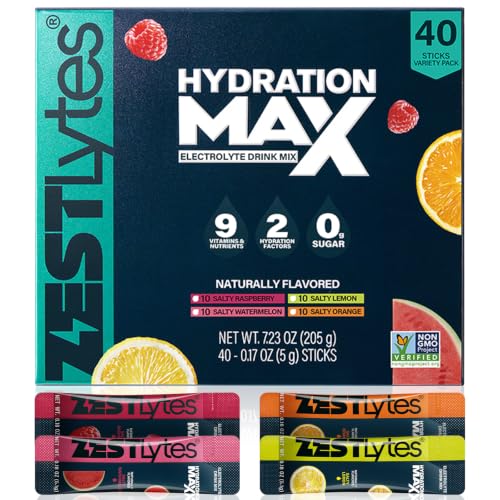
40 Sticks Salty Fruit Sugar Free Electrolyte Hydration Packets High Sodium
SALTY FRUIT FLAVOR BUILT FOR INTENSITY: ZestLytes Hydration Max packs 590mg Sodium, 330mg Potassium, 27mg Magnesium, and 5…
As an affiliate, we earn on qualifying purchases.
As an affiliate, we earn on qualifying purchases.
Conclusion
Remember, recovery isn’t just about stretching; it’s the glue that holds your running journey together. Think of it as tending a delicate garden—you need a variety of tools and care to let your muscles flourish. Incorporate rest, nutrition, foam rolling, and proper sleep, and you’ll find your performance soaring like an eagle in the sky. When you nurture your body holistically, every run becomes smoother, stronger, and more rewarding.

Sports Research® Sleep Complex (Melatonin-Free), 60 Veggie Capsules
MELATONIN-FREE SLEEP SUPPORT*: Sports Research Sleep Complex is thoughtfully crafted without melatonin to help you avoid next-day grogginess.*…
As an affiliate, we earn on qualifying purchases.
As an affiliate, we earn on qualifying purchases.

IQAir HealthPro Plus XE Air Purifier – Smart HyperHEPA Filtration for Large Rooms up to 1125 sq ft – Smoke, Viruses, Allergens, Asthma, Mold, Dust, Pets, Swiss Made, WiFi Enabled
ADVANCED HYPERHEPA FILTRATION – Designed to remove and trap 99.995% of all airborne particles down to 0.003 microns,…
As an affiliate, we earn on qualifying purchases.
As an affiliate, we earn on qualifying purchases.